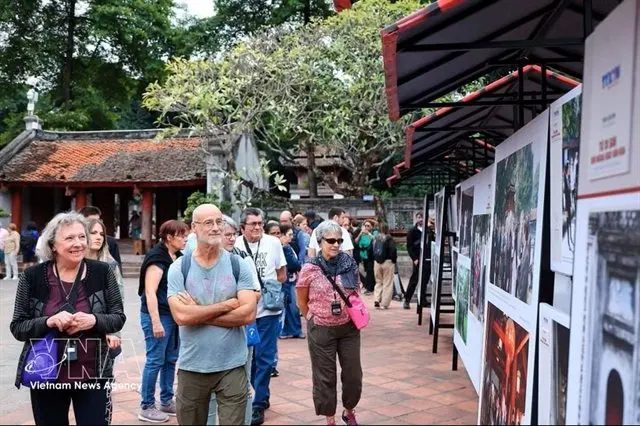
The UNESCO-listed Imperial Citadel of Thăng Long, once the seat of Vietnamese emperors, is about to get a very hands-on makeover. From November 13 to 16, 2026, the sprawling heritage complex in central Hà Nội will stage the first-ever Global Craft Village Conservation and Development Festival, turning 10,000 square metres of ancient grounds into a working showroom of world craftsmanship.
The scale is genuinely impressive: more than 200 artisans and experts from close to 60 countries and territories, rubbing shoulders with representatives of Việt Nam's own craft scene — a country with over 1,350 registered craft villages, many centuries old. Co-organised by the Hà Nội People's Committee and the Ministry of Agriculture and Environment, the festival aims to do more than display pretty objects. Dedicated zones focus on conservation, innovation, digital transformation and net-zero production, pairing master artisans with contemporary designers and green technologies so traditional goods can compete in modern markets.
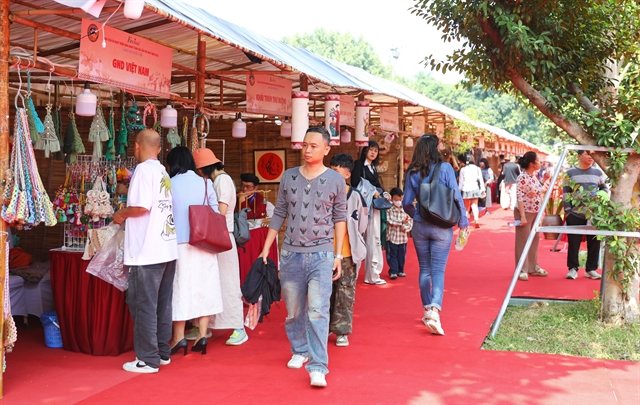
Expect the full sensory spread. Past craft showcases have drawn crowds with tò he — colourful rice-dough toy figurines shaped by hand in minutes — Chuông village conical hats you can try on, mother-of-pearl inlay from Chuôn Ngọ, Thái Nguyên tea processing, and Mường brocade weaving demonstrated live. International booths brought fabric and decorative work from as far afield as Russia, Nepal and Colombia.
Alongside the citadel programme, visitors can catch an open-air show called The Quintessence of Vietnam and an Asia-Pacific Handicraft Competition, plus hands-on tours out to the famous villages themselves: Bát Tràng for ceramics, Vạn Phúc for silk, Chuyên Mỹ for lacquer and inlay. There's also talk of a more permanent legacy — a proposal raised during the event to establish a World Craft Centre in Hà Nội.
Why should a traveller care? Timing is everything here. If your 2026 trip can flex, aligning with mid-November gives you an unusual chance to see dozens of Vietnamese craft traditions — and dozens more from abroad — concentrated in one walkable, atmospheric venue, all free-flowing and demonstrative rather than behind glass. And even outside festival dates, the trio of Bát Tràng, Vạn Phúc and Chuyên Mỹ makes an easy day-trip circuit from the capital: throw a pot in a ceramics workshop, watch silk woven on looms, and pick up lacquerware straight from the maker. For anyone who travels to buy, learn or watch things made well, Hà Nội is quietly becoming the world's craft capital.