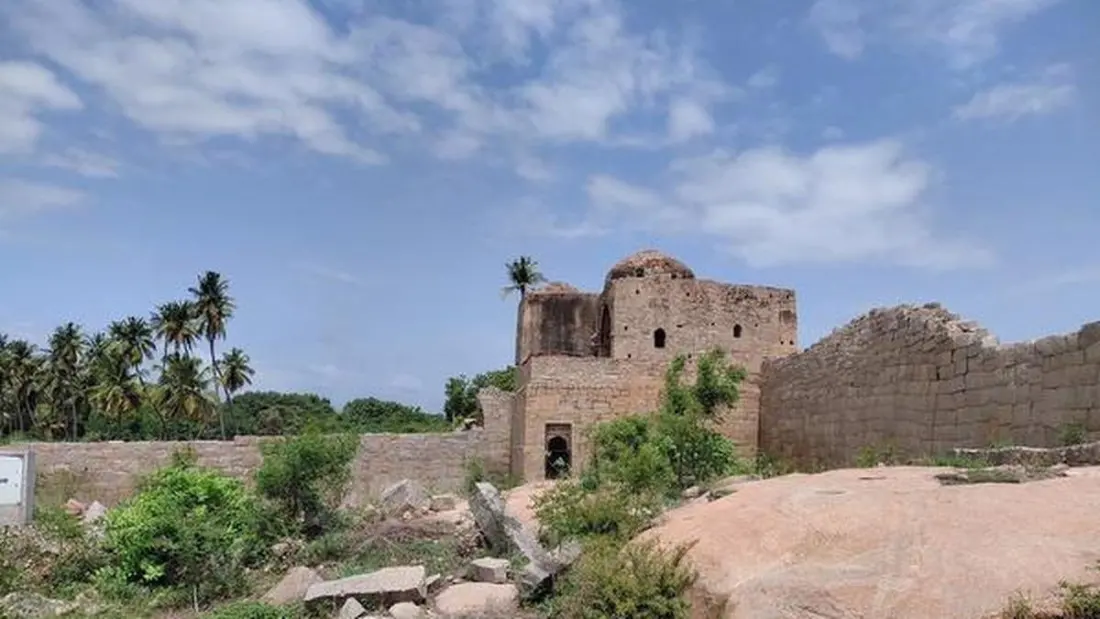
Most visitors to Hampi come for the temples. The ruined capital of the Vijayanagara Empire in Karnataka draws crowds to the Virupaksha temple, the stone chariot at Vittala and the boulder-strewn riverfront — and they leave with the impression that this was a purely Hindu imperial city. A closer look at the site tells a more layered story.
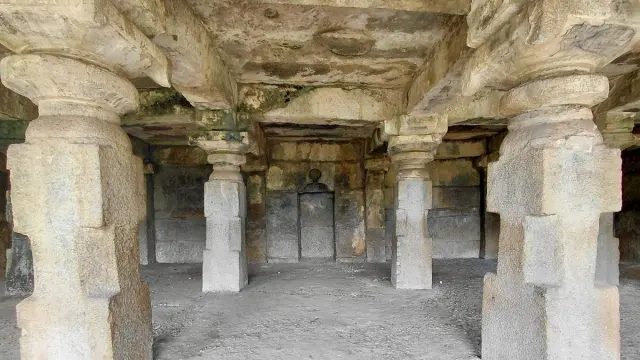
Scattered across the ruins are Islamic monuments that many travellers walk straight past: mosques, Sufi dargahs (shrines) and the remains of Muslim quarters that once formed part of the imperial capital. Even in broken form, they point to a substantial Muslim presence inside an empire that popular history often frames simply as a Hindu bulwark against Muslim sultanates. Historians have long argued that Vijayanagara's reality was more fluid — its armies, trade networks and court life included Muslims, and its relations with neighbouring Bahmani and later Deccan sultanates involved alliance and exchange as much as warfare.
The evidence isn't only architectural. Carved into temple walls across Hampi — and on the Mahanavami Dibba, the vast ceremonial platform in the Royal Enclosure — are bas-reliefs showing horses and the men with them: traders, handlers and riders depicted in dress that marks them out as Muslims. Horses were among the most valuable imports into medieval South India, and foreign merchants supplying them were part of the city's economic engine. Hampi's sculptors recorded that world in stone.
For travellers, this changes how you might plan a day in Hampi. Beyond the headline monuments, the Royal Centre holds structures such as the elephant stables and the queen's bath, built in a distinctive Indo-Islamic style, and the site's mosques and dargahs sit within easy walking or cycling distance of the main circuits. Hiring a local guide who knows the quieter corners is the easiest way to find them; many cluster near the Royal Enclosure and the areas that housed residential quarters.
Hampi matters to anyone interested in history that resists tidy categories. The Islamic monuments don't diminish the Hindu heritage of the site — they sit alongside it, part of the same imperial project. Walking between a temple gopuram and a ruined mosque in the same afternoon is a rare, concrete way to see how medieval South Indian kingship actually worked: cosmopolitan, commercially driven and religiously mixed. UNESCO inscribed the whole of Hampi's monument zone, not just its temples, and this fuller picture is exactly why.
Practically, Hampi works well as a two- or three-day trip from Bengaluru or Hyderabad, or as a stop on a Deccan itinerary. The site is vast, so split it: one day for the sacred centre and river side, another for the Royal Centre and its less-visited Islamic monuments. Early mornings and late afternoons are best for both the light and the heat.
Read the original reporting in The Hindu Travel.