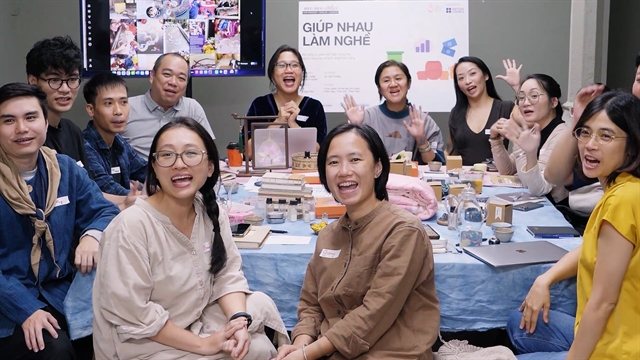
Hanoi is gearing up for its Creative Design Festival 2026, and one programme on the bill deserves a spot on any culture-lover's itinerary. Craft Toolkit, an initiative running as part of the festival, is pulling together craft and design practitioners from Vietnam and beyond to swap skills, share resources and figure out how traditional makers can actually make a living from their work.
The format is hands-on. Alongside training sessions, Craft Toolkit is staging a two-week Open Studio, giving visitors the rare chance to watch craftspeople at work, ask questions and see the process behind finished pieces rather than just the souvenir-shelf result. The bigger aim is structural: the organisers want to test whether collaboration between designers, makers and buyers can help artisans reach new customers and build livelihoods that last, rather than relying on one-off sales to passing tourists.
That matters because Vietnam's craft traditions — lacquerware, ceramics, weaving, embroidery, bamboo work — are concentrated in village workshops and small family studios that often struggle to compete with mass-produced goods. Initiatives like this one are part of a wider push in Hanoi to brand itself as a creative city, building on the capital's UNESCO designation as a Creative City of Design in 2019. The festival itself has grown into one of the city's flagship cultural events, filling galleries, studios and public spaces with exhibitions, talks and workshops.
For travellers, the appeal is simple: an Open Studio format means you're not buying a lacquer bowl off a shelf — you're meeting the person who made it, seeing the layers of lacquer and the weeks of work behind it, and buying direct. Money goes straight to the maker, and you come home with a story instead of a duty-free receipt.
Hanoi already rewards slow travellers who venture beyond the Old Quarter's souvenir stalls. Ceramics villages like Bat Trang sit a short ride from the city centre, and embroidery, silk and conical-hat workshops dot the surrounding countryside. A festival programme like Craft Toolkit's adds a structured, time-limited reason to go deeper — and it's a good signpost for where Vietnamese craft is heading: less factory floor, more designer-maker.
If you're planning a Vietnam trip in 2026 and care about where your souvenirs come from, timing a visit around the festival's Open Studio weeks is worth considering. Check dates closer to the time on official Hanoi event listings, as exact schedules tend to be confirmed a few months out.