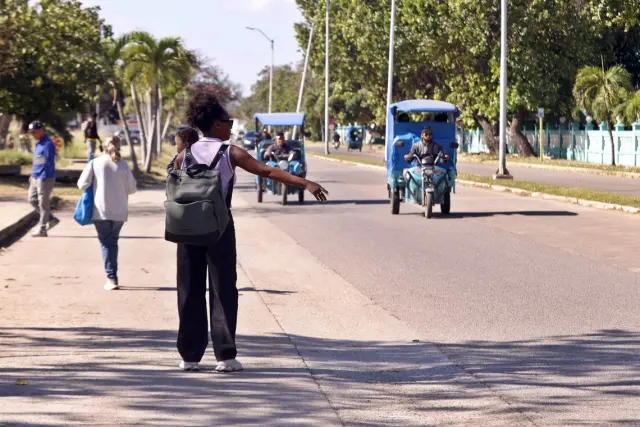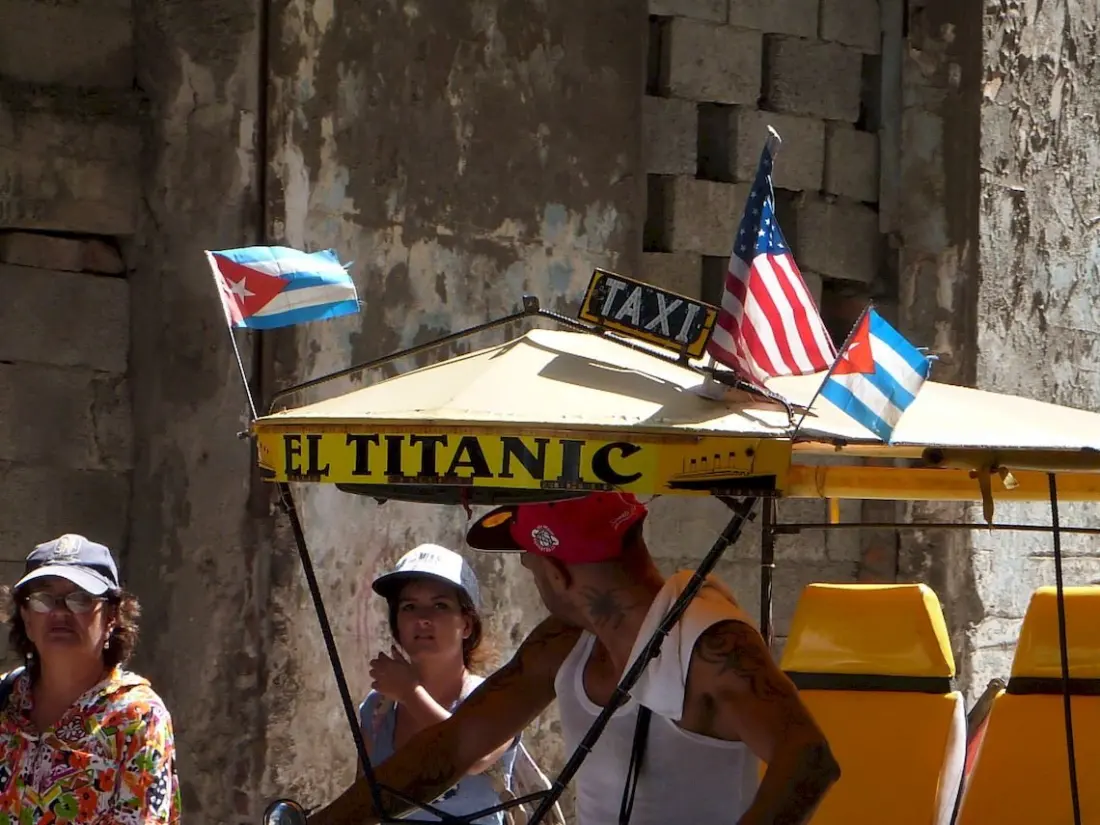
San Lázaro and Águila, one of central Havana's busiest bus corners, has gone quiet. Faustino, an elderly security guard waiting outside his 1924-roofed doorway, can barely remember the last time a bus passed. During the Special Period of the 1990s there were the famous camellos — those hulking trailer-buses. Now there's nothing, not even the bicycle-taxis. His job is seven or eight kilometres away across the Almendares River, too far to walk with his artery condition, too expensive to reach by shared taxi at around 400 pesos round trip. He expects to lose the job.
His story is one of several snapshots from a city buckling under a fuel shortage. The government has decreed zero fuel sales in pesos and rationed dollar sales to 20 litres per vehicle, sending queues stretching for blocks. Commuter fares have jumped — one woman reports her ride from the city's southwest to La Rampa rising from 250 to 300 pesos — while tricycles, private and state-run, fill up before they even reach central neighbourhoods.
The knock-on effects reach every corner of daily life. Dr Augusto, a 70-year-old intensive care physician, shovels his way through a garbage dump that keeps creeping over his street — waste collection now happens only when a bulldozer can be spared. His thrifty 1990s Daewoo Tico, good for 20 kilometres per litre, sits stranded in a virtual fuel queue. Bread prices have climbed more than 23% in days — eight buns now cost 370 pesos — because bakers run generators on black-market-priced diesel. At the farmers' markets, an ear of corn costs 80 pesos, and vendors warn deliveries may stop entirely: one truck driver from Matanzas paid 70,000 pesos for diesel and allegedly 50,000 more in bribes at checkpoints into Havana.
For anyone considering Cuba as a destination, this is the reality behind the postcards. The crisis is economic rather than political theatre — an energy shortage cascading into transport chaos, food inflation and service collapse — but it directly shapes what a visitor will find: erratic buses, taxi fares climbing, longer petrol lines, patchy power forcing businesses onto generators and prices up. Travellers who do go should budget generously for ground transport, expect blackout-related disruptions to restaurants and shops, and treat cash in pesos as essential, since dollar-rationed fuel means even private drivers are squeezed. Havana itself remains rewarding — Vedado, the Malecón, the crumbling grandeur of Centro — but the city described here demands flexibility and patience that a beach-and-brochure itinerary won't prepare you for.