Heads of government from the 56 Commonwealth nations wrapped up their four-day summit in St John's, Antigua and Barbuda, on 4 November with a communiqué that leans heavily towards the Pacific — and towards small island states facing climate and economic shocks.
The headline commitments cover three areas. On climate, leaders reaffirmed the Paris Agreement and the 1.5°C goal while admitting emissions are badly off track, and backed platforms such as the Pacific Resilience Facility, the Bridgetown Initiative and the Antigua and Barbuda Agenda for SIDS. They also floated reforms to debt frameworks, including climate-linked debt instruments and debt-pause clauses that would pause repayments after disasters.
On oceans, the most consequential line for Pacific nations: the communiqué reaffirms that maritime zones declared under UNCLOS stay fixed regardless of sea-level rise. That locks in fishing grounds, seabed rights and exclusive economic zones that rising seas could otherwise erode. Leaders also welcomed the Biodiversity Beyond National Jurisdiction Agreement entering into force, plus the Pacific Islands Forum's Blue Pacific Ocean of Peace Declaration.
On trade, they promised to cut barriers, back small and women-owned businesses, and launched a Commonwealth Trade Portal. Around US$500 million in new commitments was raised for renewable energy, youth skills and economic growth, with more than 3,000 delegates attending. There was also movement on reparatory justice: the UK agreed to structured dialogue over the historical harms of transatlantic slavery.
Elsewhere in the region's news cycle, Vanuatu's government under Prime Minister Jotham Napat is shrugging off a no-confidence motion lodged by nine opposition MPs, due for debate shortly. And US midterm results are expected to bring fresh scrutiny of America's military expansion and seabed-minerals push across the Pacific.
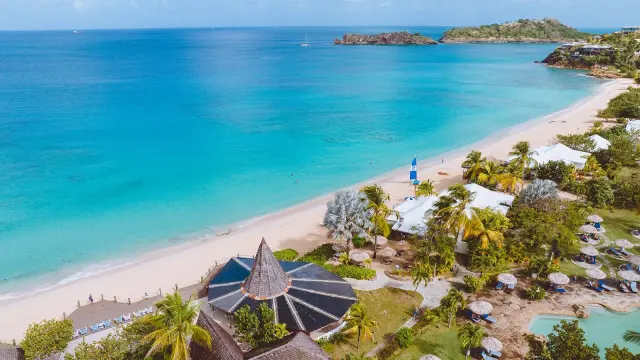
Why should a traveller care? If you're heading to the Pacific or the Caribbean, the maritime-boundary ruling protects the reefs, fisheries and island territories you'll actually visit. The climate finance pledges — if delivered — fund the resilient infrastructure, clean energy and sustainable tourism projects that smaller destinations desperately need. Antigua and Barbuda itself, hosting its biggest diplomatic moment in years, remains an easy beach-and-sailing escape where tourism dollars go straight into that resilience agenda.