Southern Europe keeps breaking heat records, and northern Europe keeps counting the visitors fleeing them. New data compiled by the United Nations University Institute for Water, Environment and Health show the 'coolcation' trend accelerating through 2026, with the European Travel Commission recording a 10% year-on-year jump in visitor numbers across Northern Europe between April and June. The beneficiaries: Denmark, Finland, Iceland, Ireland, Norway, Sweden and the UK — Scotland above all.
What's striking is who's switching. These aren't just Scandi-hungry Brits dodging the rain. A survey by travel app Polarstes found 35% of British travellers deliberately booked a break out of the sun in 2026, and across Europe roughly 76% now say climate shapes their holiday choices, with 16% actively seeking cooler destinations. Even Italians and Spaniards are heading north — VisitScotland's chief executive Vicki Miller reports strong European demand, 'potentially the climate impact' at work.
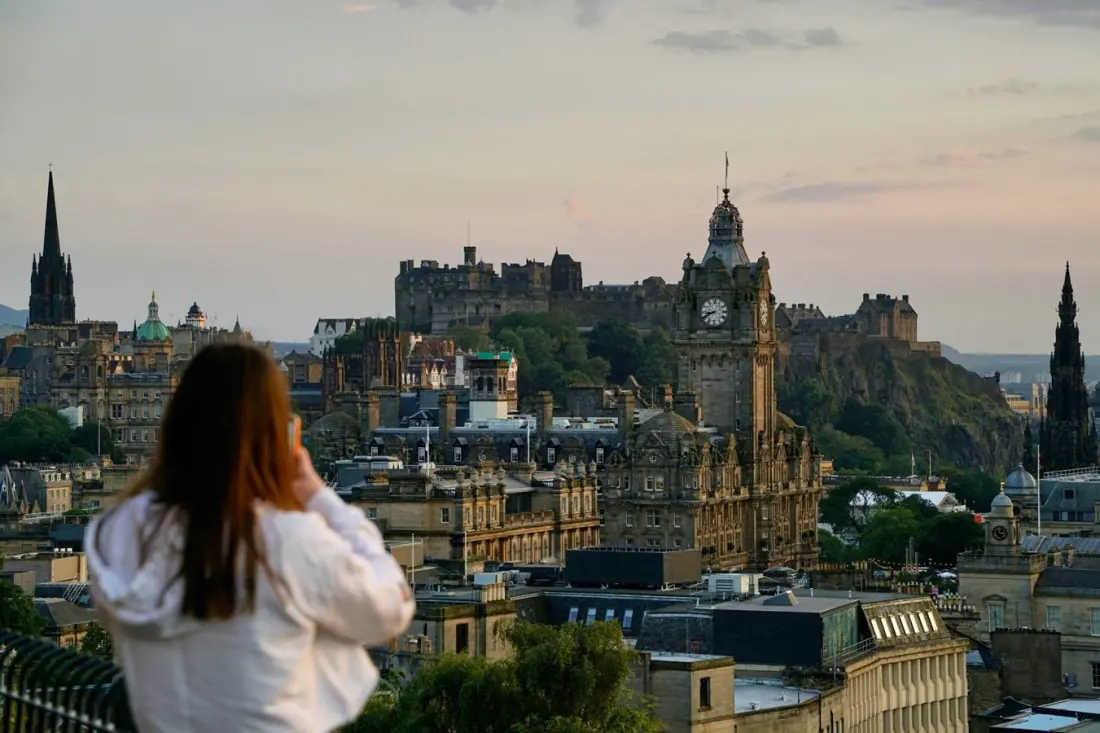
Scotland is the clearest case study. VisitBritain logged a 15% rise in flight reservations to Scottish airports in the six weeks to mid-July 2026, while bookings to sweltering London fell. Edinburgh Festival sales climbed 30%. But there's a catch: overall visitor spending is down, according to Scottish Tourism Alliance chief Marc Crothall, partly because travellers are swapping hotels for campervans. That raises the awkward question of what locals actually get out of the boom.
Tensions are already visible further north and west. The UN Institute notes that in 2025, 32% of Highland residents and 48% of those in Orkney felt tourism put too much pressure on their area. Edinburgh's answer is a 5% tourist tax on the first five nights of any stay; Norway has handed municipalities the power to charge up to 3% on accommodation — notable given its international hotel bookings rose 3.2% between May and July 2026.
There's another wrinkle: coolcationers are booking late, apparently hedging against unreliable weather by waiting to see the forecast. That makes demand volatile for destinations used to planning seasons ahead.
For travellers, the takeaway is straightforward. If you want a mild-weather summer break in Edinburgh, the Norwegian fjords or the Faroe-adjacent wilds of Ireland and Iceland, you're now competing with a growing crowd — and late booking is a gamble during peak festival season. Consider shoulder months like May or September, and budget for new tourist taxes that are quietly adding to the cost of northern city breaks. It's also worth remembering that Spain isn't suffering: traditional sun destinations are still booming, so 'cool' isn't the only game in town. And with the World Meteorological Organization predicting El Niño-driven peak weather impacts into early 2027, the map of comfortable summer travel may keep shifting in ways nobody can fully predict.
The coolcation surge is good news for places that never courted mass tourism before — and a warning to them, too, about housing, services and habitats. For holidaymakers, it simply means the mild north is now very much open season.