Travelling north to south by train in Wales is famously awkward — the fastest route leaves the country, stops at Chester, Crewe and Shrewsbury in England, then dips back into Wales, taking around five and a half hours and costing about £105. In October, Transport for Wales quietly offered an alternative: TaithCymru, a new direct coach service linking Holyhead with Carmarthen, nine stops in between and no detour through another country.
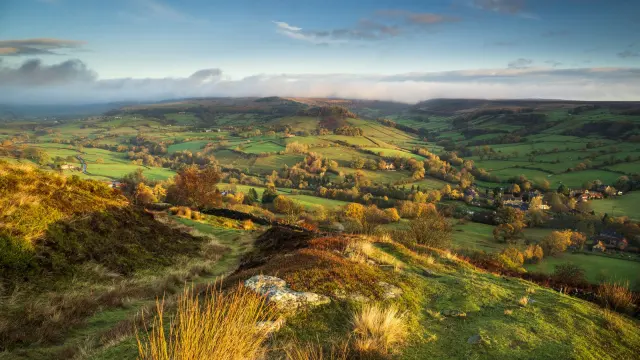
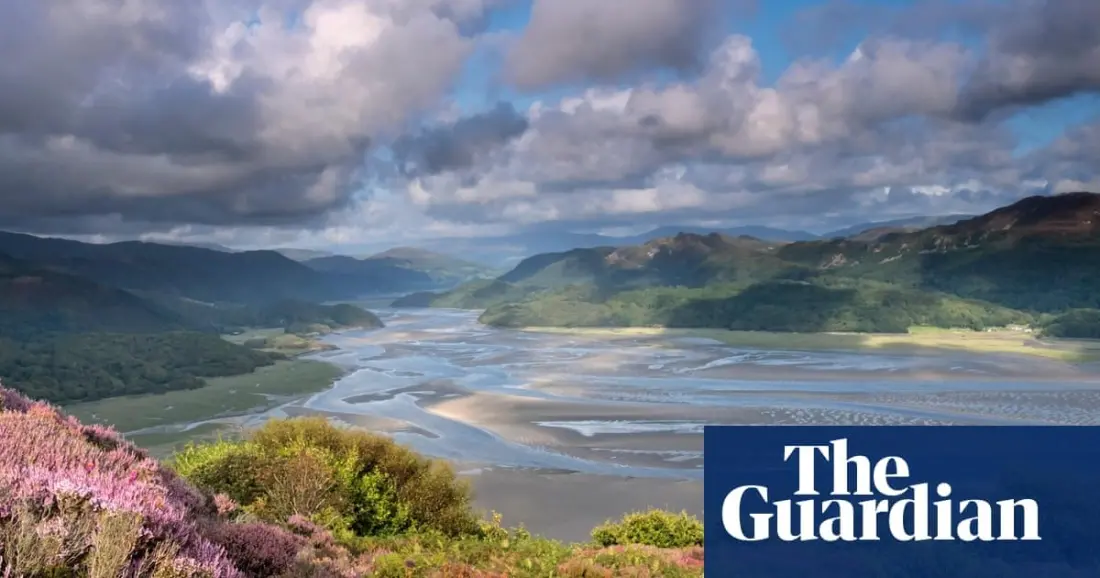
The logistics matter — Holyhead is the main ferry port to Ireland, and Carmarthen's rail hub connects to Pembrokeshire and Cardiff — but the real draw is what you see from the window. The route threads down through Eryri (Snowdonia), hugs the coast past Porthmadog and its marsh-framed views of the mountains, then climbs inland through Dolgellau, Corris and Machynlleth, where misty forest rolls below and Cadair Idris towers over the A487. If you time it right, you might even catch RAF jets screaming through the 'Mach Loop' training corridor. After a driver change at Aberystwyth, part two begins: a slow rollercoaster along Cardigan Bay, colour-shifting sea on one side, hedgerowed farmland on the other, before the leg into Aberaeron — a remarkably preserved town of multicoloured Victorian cottages, independent shops and a pretty harbour — and the final inland run to Carmarthen.
A Guardian writer who rode it days after launch had the 53-seat coach to himself for the entire five-hour trip. That says something about the low-key marketing, but it also means you'll likely have space to spread out. The coaches themselves are new and well specified: onboard wifi, a toilet, and schedules that include overnight departures — you can catch a bus from Aberystwyth to Carmarthen at 4.30am if you really want to.
It behaves a bit like a train, too. There are only the nine official stops between Holyhead and Carmarthen, tickets are sold online only, and you can't hop off and on at will — so plan your break points in advance. Dolgellau is a strong candidate: from there you can walk to the Mawddach estuary and the village of Bontddu, once home to the Clogau mine that supplied Welsh gold for royal wedding rings.
Pricing is where this really embarrasses the railway. An open return between Caernarfon and Carmarthen costs £19, and the full Holyhead to Carmarthen open return is £25, with shorter trips and concessions available via the website. Transport for Wales is keen to stress this isn't a tourism gimmick — the route links communities, hospitals and universities. But for anyone wanting to see mid and west Wales without a car, it doubles as one of the most scenic slow-travel rides in Britain, at a fraction of the train fare.