Spot a Melanzana hoodie in the wild and you'll likely get a knowing nod. The micro-grid fleece — often with mismatched sleeve and torso colours — has become one of the most recognisable garments in the outdoor world, and it all comes from a small workshop in Leadville, Colorado, a former silver mining town of about 2,600 people.
The company traces back to 1994, when New England ski bum Fritz Howard and his childhood friend Kevin "Kevco" Crochetiere got hold of leftover Polartec fleece from an outlet in Lawrence, Massachusetts, and started sewing basic mountain gear. Howard, who learned to sew from his mother, kept costs so low in the early days that he lived in a tipi he'd made himself in the woods outside town. The brand was first called Eggplant — deliberately uncool, as a rebuke to glossy outdoor labels — until a trademark clash pushed them to the Italian word for the vegetable: Melanzana.
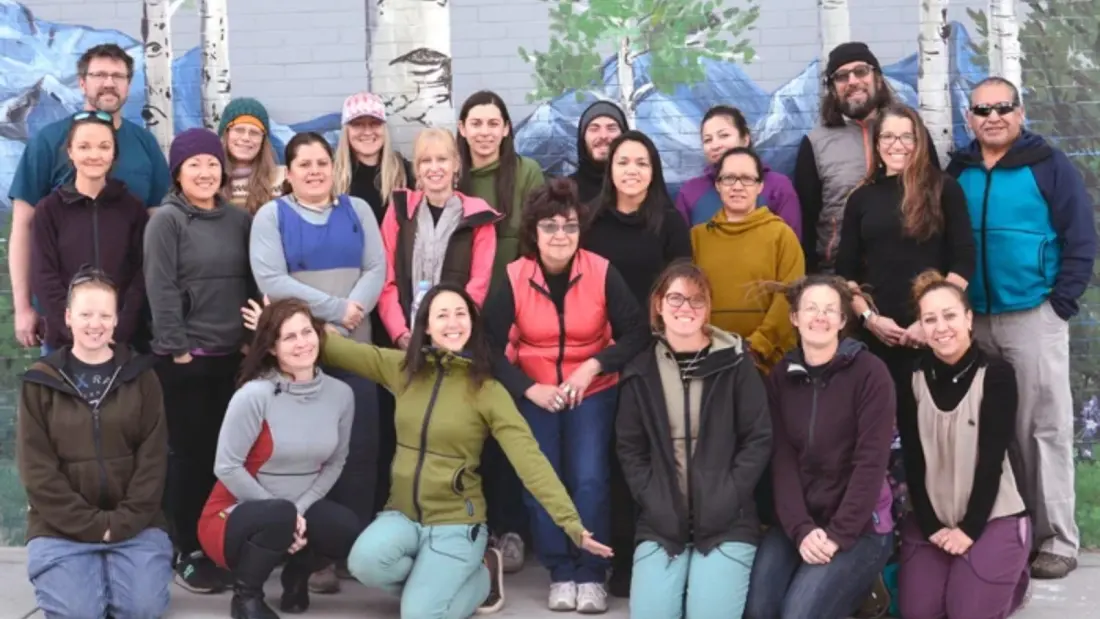
Howard picked Leadville because he wanted mountain-town life without ski-resort gloss. His first shop sat on Harrison Avenue, the town's main street; employees stitched by day with their dogs underfoot, cut fleece by hand, and built their own worktables from plywood and two-by-fours. Former staff describe the place as a community clubhouse — staff members each had a key and could come sew whenever they liked, and hula-hoop breaks were a thing. Howard, who declined to be interviewed for Outside's oral history, has always positioned the company as a service to neighbours rather than a growth business.
The signature hoodie only exists thanks to some quiet rebellion. Around the early 2000s, a few of the women on the sewing floor started making pullover hoodies on their own despite Howard's reluctance. When he finally tried the design himself, the result worked so well it reshaped the whole company. Before that, Melanzana's 1996 catalogue listed river shorts, windshirts, overmitts and scrap caps — a general outdoor apparel maker with no single hero product.
Growth has stayed deliberately slow. Howard bought the building at 716 Harrison Avenue in 2008 and gradually filled all 7,500 square feet, adding rooftop solar in 2011. The business model is essentially unchanged from the 1990s: make a batch, put it on the shelf, sell out, make more. That scarcity is why buyers routinely wait months for a hoodie, and why the "Nice Melly" sticker exchange has become a greeting between strangers — one staffer at a Dead & Company show in Golden Gate Park even spotted a stranger wearing the exact same colourway.
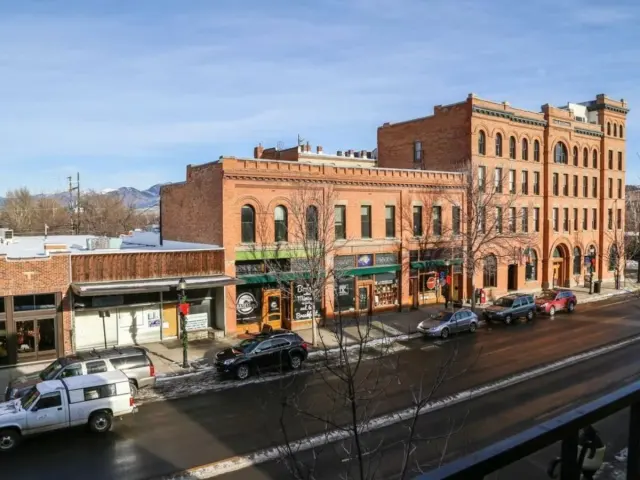
For travellers, the story is a good excuse to visit Leadville itself — North America's highest incorporated city at over 10,000 feet, with a walkable Victorian main street that now includes Melanzana's storefront, plus the consignment shop Community Threads opened by the brand's first retail employee. Word-of-mouth and social media have turned a local workshop into a destination, but the vibe remains stubbornly handmade: colours are still chosen from paint chips and photos, and the racks from the late 1990s are still in use.
Story via Outside Online.