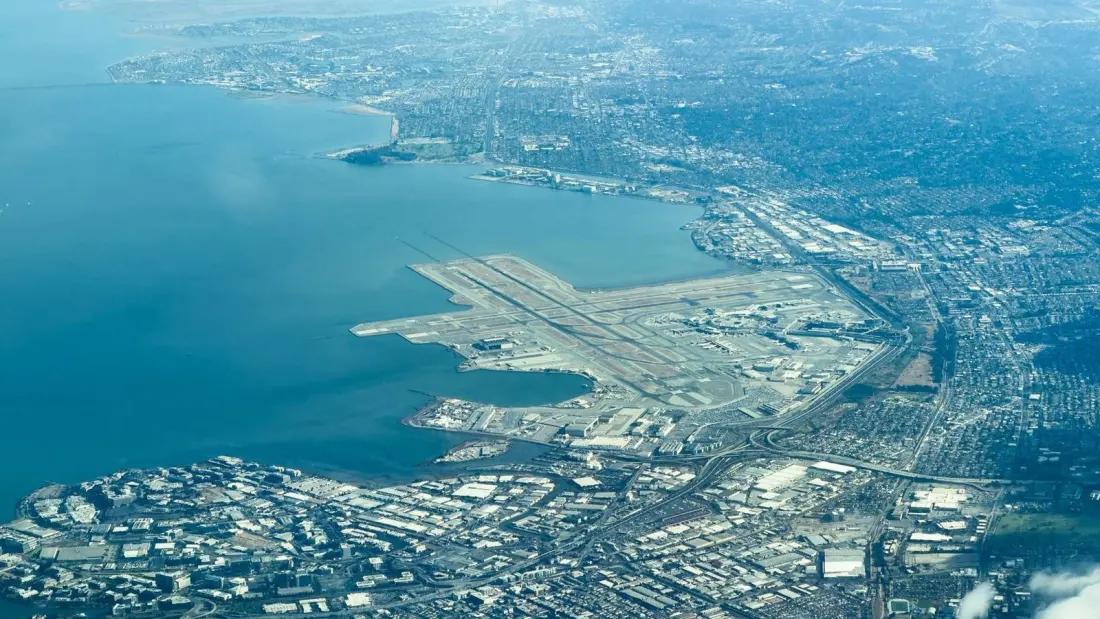
San Francisco International Airport is staring down an unusual problem for one of the busiest travel weeks in the US calendar: the sea itself. Forecasters expect water levels in San Francisco Bay to push close to 9 feet — possibly higher with storm surge — between November 24 and 26, high enough to threaten sections of the airport's seawall during the Thanksgiving rush.
The National Weather Service has flagged major to extreme coastal flooding along the Bay shoreline. Its forecast puts the San Francisco tide gauge at 8.4 feet on Tuesday, November 24, and 8.6 feet on Wednesday, November 25 — approaching the local record of 8.66 feet set at Crissy Field in January 1983. The ingredients are stacking up: king tides, thermal expansion from unusually warm ocean water, and an incoming winter storm all hitting at once.
SFO's defences are the weak point. The airport's seawall runs more than seven miles, but parts of it stand only 8 feet high. The southeastern corner near Runway 28 Left is considered especially exposed, along with the northern ends of both runways. Whether water actually reaches the runways or taxiways remains unclear, and no closures or cancellations have been confirmed. Airport spokesperson Doug Yakel says crews are already clearing drains, checking pump stations, and staging sandbags and flood barriers.
The risk doesn't stop at the perimeter. Highway 101, the main road link to the airport, could also flood, complicating things for passengers and staff alike. San Francisco's mayor has asked residents to avoid unnecessary trips between Monday afternoon and Wednesday, and the city is suspending parking enforcement so people can move cars out of low-lying areas.
Nearby Oakland airport is in better shape — it has raised its perimeter dike to 13 feet, reaching 17 feet in places, and doesn't expect flooding. Conditions should dry out on Thanksgiving Day itself, though another system may arrive the following weekend.
If you're flying out of SFO between November 24 and 26, keep an eye on airline notifications and airport updates, and pay particular attention to late-morning high tides on Tuesday and Wednesday, when surge could push water over the lowest seawall sections. Build in extra time for ground transport, have a backup route to the airport in case 101 is affected, and consider signing up for flight status alerts now rather than scrambling at the terminal. This is a forecast risk rather than a confirmed shutdown — but with holiday passenger volumes at their peak, even minor flooding on access roads could ripple through the day's schedule.
Full credit for the reporting goes to Simple Flying.