The difference between a good trip and an unforgettable one often comes down to what you find between the sights on your list. A new guide to uncovering lesser-known spots makes a persuasive case that the best travel moments rarely come from the first page of search results — and offers a practical toolkit for anyone who wants to dig deeper.
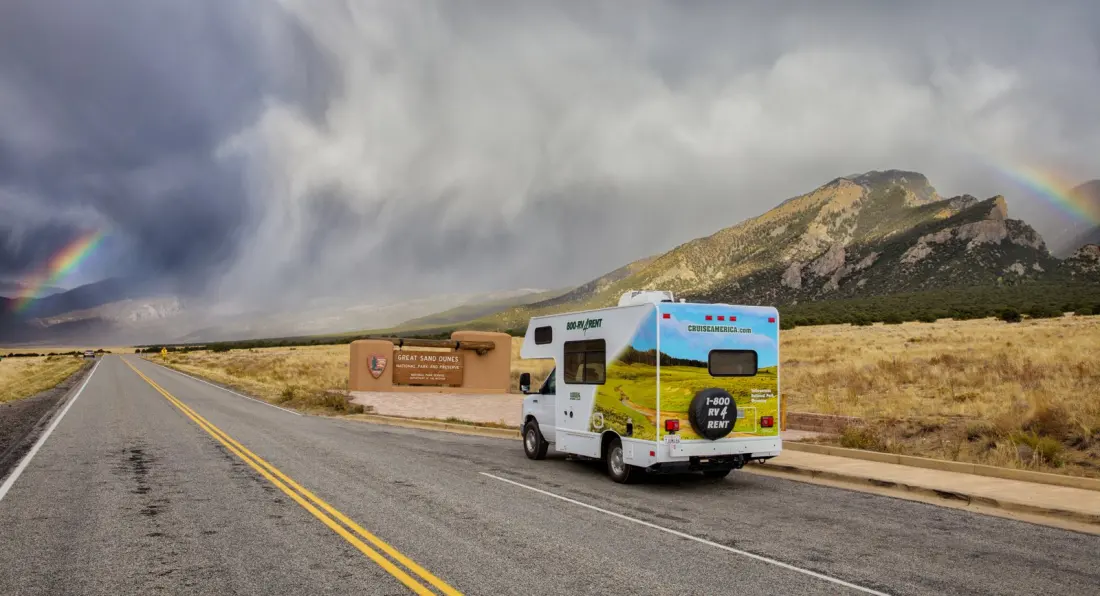
The first suggestion is structural: keep your itinerary loose. Rather than scheduling every hour, pick a few anchor points and leave the gaps open. That could mean hiring a car at Denver airport with room to drift through mountain towns and old mining settlements, or simply arming yourself with a transit pass and comfortable shoes in a walkable city like Lisbon or Amsterdam. The unstructured stretches, the argument goes, are where discovery happens.
Apps, meanwhile, have a blind spot. They tend to point everyone at the same well-reviewed places. The fix is talking to people who actually live there — bartenders, park rangers, bookstore owners, market vendors. The trick is asking better questions. Skip the generic "what should I see?" and try "where do you take friends visiting from out of town?" or "what do tourists overlook?" Personal questions get personal answers.
Another route in is the local events calendar. County fairs, art walks, heritage festivals, food truck nights and seasonal markets usually attract residents rather than visitors, which makes them an easy window into everyday culture. Even a small craft fair or harvest supper can turn into a trip highlight — or at least a plate of regional food you won't find near the main attraction.
Travelling with a theme turns exploring into a treasure hunt. Hunt down covered bridges, historic theaters, ghost towns, murals, botanical gardens or abandoned railroad depots, and you'll find yourself in small towns and specialist museums no standard itinerary would suggest. It reframes the whole question: instead of asking where everyone goes, you ask what fits your interest.
On the road itself, back roads beat highways when time allows. Scenic byways and rural routes reveal farm stands, roadside diners, antique shops and lookout points you'd otherwise blast past — though it's worth checking road conditions, fuel and phone coverage before committing in remote areas. Digital maps can help too: zoom in on satellite view around your destination and look for green spaces, trailheads, odd landmarks or neighborhood names that catch your eye. Old-fashioned paper maps from visitor centers and ranger stations often highlight history and culture that never makes it online.
Finally, the guide champions slowing down. Rushing city to city turns everywhere into a checklist; staying longer lets you learn a place's rhythms — when the bakery opens, which streets come alive at night. And detours become possible when someone mentions a nearby village worth seeing.
There's an etiquette angle too: hidden gems are often fragile or deeply valued locally, so respect private property, stay off sensitive natural areas when they're crowded, and spend your money with local businesses.
For travellers tired of arriving somewhere famous and finding a queue, this is a genuinely useful playbook — less about where to go, more about how to look.
Via Unusual Places