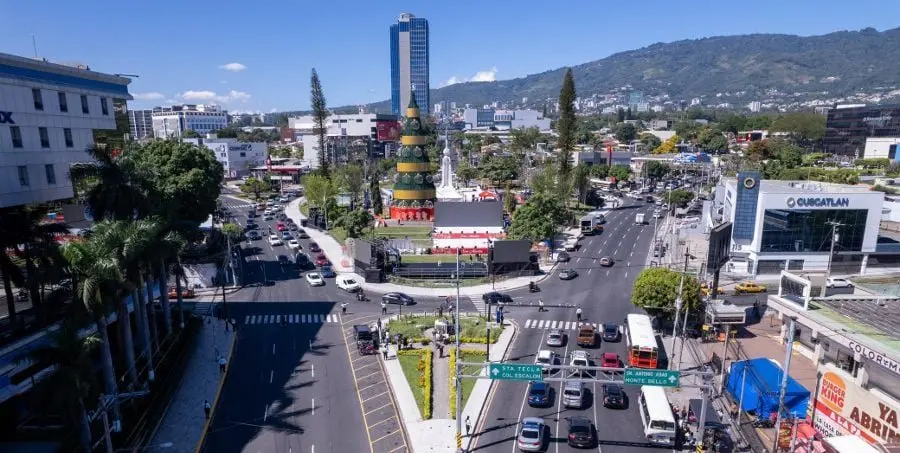
El Salvador prices everything in U.S. dollars, which makes it unusually easy for American visitors and returning Salvadorans to read a menu or a rental listing. What the dollars don't buy is an American salary: the average employed Salvadoran earns roughly $437 a month, according to 2025 household survey figures. That gap shapes everything about living costs here — affordable if you earn abroad, tight if you don't.
For anyone weighing a longer stay, the ballpark numbers look like this. A single adult living modestly might spend around $700 a month all-in, while a family of four could need roughly $1,450. Housing is the big variable: in San Salvador and its upscale neighbours Santa Tecla and Antiguo Cuscatlán, rents typically run from $400 to well over $1,500, with home prices from $175,000 past $900,000. Head to smaller towns such as Suchitoto, Juayúa or Sensuntepeque and the picture changes — rents from about $200, houses from $55,000.
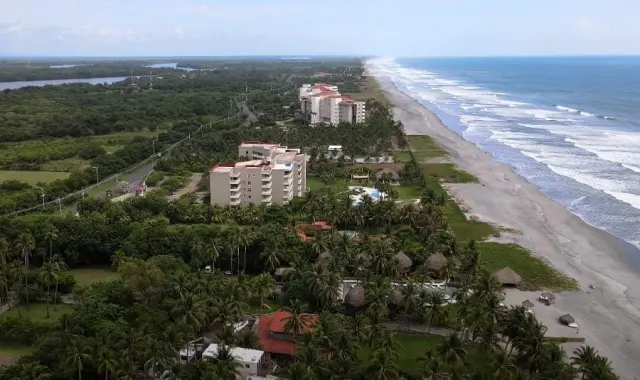
Prices have been creeping up. Better safety and a growing tourism scene have drawn foreigners, investors and the diaspora into the property market, pushing demand hardest in coastal areas and expat-friendly zones. Even so, El Salvador sits mid-pack for the region: it ranks fourth of six Central American countries on cost indexes, cheaper than Costa Rica, Panama and Guatemala, pricier than Honduras and Nicaragua.
Food is where daily life gets cheap and cheerful. The official urban basic food basket ran $264.73 in August 2026 (rural: $189.63), but shoppers who skip the supermarkets do better — local municipal markets charge roughly 10 to 30% less on staples like eggs, beans and sugar. Eating out ranges from a $2.75 typical breakfast with a drink at a market stall to $7.50-plus at a restaurant, with lunch combos from $3.75. A pupusería dinner remains one of the best value meals in the Americas.
Utilities are manageable: around $90 a month for basic electricity, water and gas for one person, closer to $150 for a family, plus $33–85 for home internet and roughly $15 for mobile service from providers like Claro, Tigo or Digicel. Getting around is inexpensive too — city buses and 'micros' cost $0.25 to $0.75 a ride, intercity buses $2–6, and Uber in the capital $3–15. Drivers should note petrol sits near $4.80 a gallon and insurance isn't mandatory, so full coverage is worth buying.
Why should a traveller care? These figures double as a realistic trip budget. Two people could travel comfortably — decent guesthouses, plenty of restaurant meals, Uber rides and surf-town detours — on well under $100 a day, and backpackers far less. For digital nomads and remote earners, the numbers explain why Salvadoran towns are showing up more often on long-stay shortlists: dollar pricing, modern connectivity, and costs well below Costa Rica without feeling like a sacrifice. Just budget extra in the popular spots, where demand is moving prices in only one direction.