Ask most people to name a famous wilderness in California or Nevada and you'll get Yosemite, Lake Tahoe, maybe Death Valley. Almost nobody mentions Humboldt-Toiyabe — which is exactly why it's worth knowing about. Spread across the eastern Sierra Nevada in California and nearly the entire state of Nevada, it's the largest national forest in the lower 48, covering over 6.3 million acres of non-contiguous land with 18 designated wilderness areas and more than 2,000 miles of trails. The name merges two once-separate forests: one honouring German naturalist Alexander von Humboldt, the other from the Shoshone word for mountain. They combined in 1995.
Because it's so sprawling, there are several easy entry points — Reno and Carson City on the western side, Elko in the east. And unlike marquee parks, you won't be fighting for space on the trail.
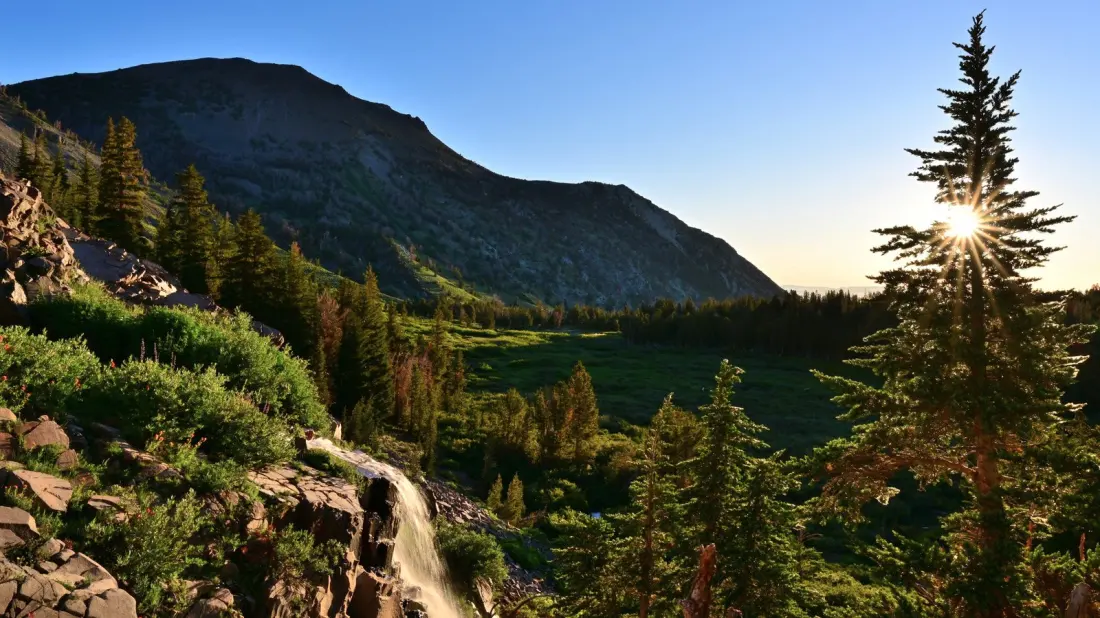
The hiking menu is genuinely varied. In California, the Pacific Crest Trail crosses the Mokelumne and Carson-Iceberg Wildernesses, where high passes deliver sweeping views of peaks and lakes. Day hiking needs no permit; overnight trips require a wilderness permit from recreation.gov. In Nevada, roughly 63 miles of the Tahoe Rim Trail run through Mount Rose Wilderness, with Lake Tahoe views and the 60-foot Galena Falls — come in early summer and the meadows are full of wildflowers. The tougher 37-mile Ruby Crest Trail crosses the so-called Swiss Alps of Nevada, where you might spot bighorn sheep, marmots or, if you're unlucky-lucky, a mountain lion.
Short on time? The 5.9-mile Hunter Creek Trail near Reno ends at a waterfall that's perfect for cooling off — just know there's little shade. Or try the 3.8-mile Fletcher Canyon Trail near Mount Charleston, a shady limestone canyon walk beside a creek. AllTrails lists over 450 trails across the forest, so this is barely scratching the surface.
It's not only about boots. Base yourself in Bridgeport, California, for kayaking and fishing at Twin Lakes (rainbow and brown trout are the prize) or whitewater on the West Walker River. In winter, the Bridgeport Winter Recreation Area offers snowmobiling — it was the country's first motorised winter recreation area. Mountain bikers get around 20 miles of high-desert trail at Ward Mountain, and horse riders can use both those trails and the Table Mountain Wilderness near the historic town of Austin.
One of the coolest perks: darkness. Angel Lake in the East Humboldt Range near Wells has exceptionally clear night skies for stargazing, with a campground next door — though you'll want to book well ahead for summer. Camping in general is easy here, with 40-plus campgrounds. A standout is free, first-come-first-served Toquima Cave Campground, beside Native American rock shelters with pictographs up to 3,000 years old — one of an estimated 90,000 archaeological sites in the forest.
For anyone who loves the idea of the Sierra Nevada but not Yosemite's queues, Humboldt-Toiyabe delivers the same alpine drama with a fraction of the crowds — you just need to pick which corner of it to explore first.