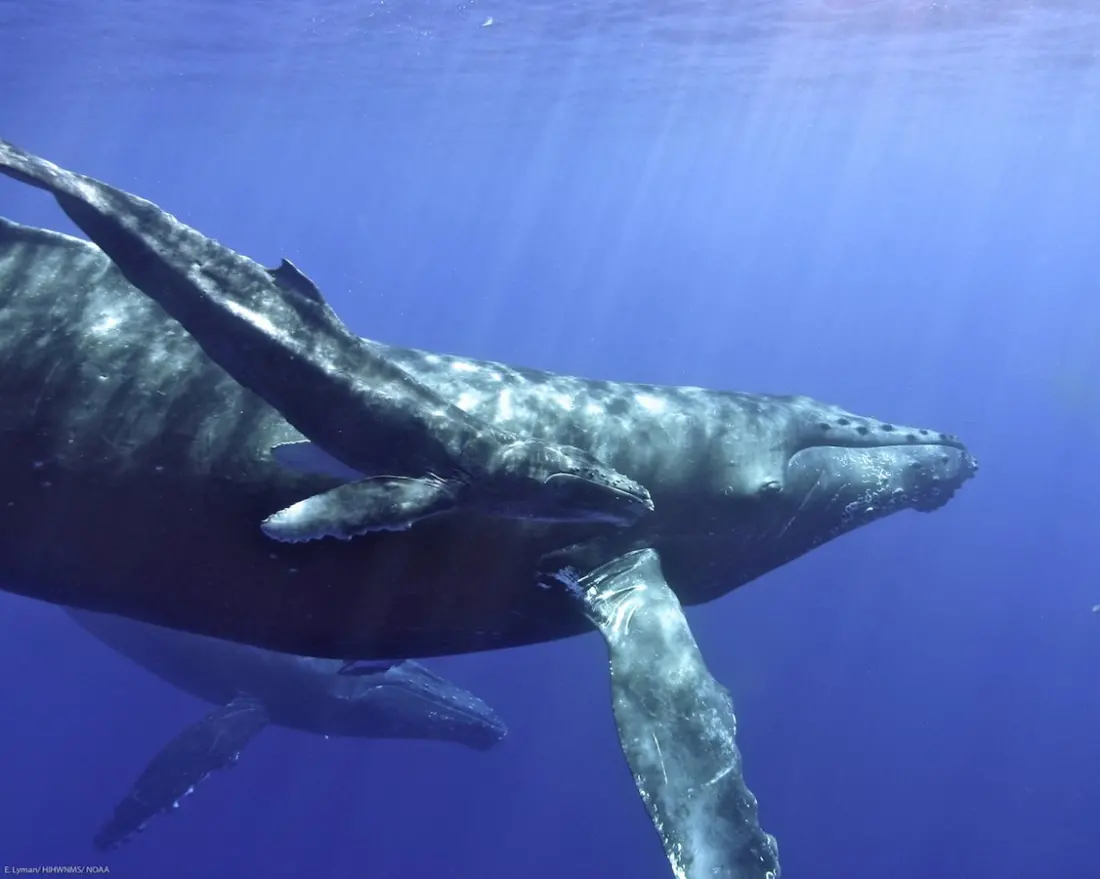
Every winter, thousands of North Pacific humpback whales — koholā in Hawaiian — swap Alaska's cold waters for the shallow, warm seas around the Hawaiian Islands. The trip takes about six weeks, and between 8,000 and 12,000 whales make it each year, arriving between November and May to breed, give birth and raise their calves in Hawaiian waters.
Timing matters. While the season runs from November through May, the sweet spot is January to March, when whale activity peaks. A bonus for budget travellers: those months fall after the holiday rush, so flights, hotels and tours tend to be cheaper and less crowded.
Maui is the strongest island for sightings. From shore, bring binoculars and scan the water at Māʻalaea, Kāʻanapali, Kīhei and Wailea. For a closer look, book a boat tour — the Pacific Whale Foundation runs eco-adventures led by certified marine naturalists, with profits funding research and conservation. Boats must stay at least 100 yards from whales, and swimming with or touching them is off-limits. If you're on Oʻahu instead, tours leave from Waikīkī and Ko ʻOlina and run two to three hours, while the Makapuʻu Lighthouse trail and even the lookout near Diamond Head (Lēʻahi) offer free shoreline viewing on calm days.
On the water, go early. Mornings are typically calm; afternoons turn windy, making spouts harder to spot and seasickness more likely. Pack for the conditions: binoculars, a rain jacket or poncho, reef-safe sunscreen, a hat that stays put, and a waterproof pouch or camera for photos.
There's a bigger story behind the spectacle, too. Whaling drove humpback numbers down to perhaps 10% of their historic level before a 1966 moratorium, and the species remains listed as endangered. The Hawaiian Islands Humpback Whale National Marine Sanctuary, designated in 1992, is the only place in the United States where humpbacks mate, calve and nurse their young — one of the most important whale habitats on the planet. Threats today include ship strikes and fishing-gear entanglement, so following viewing rules and keeping a respectful distance genuinely matters.
For anyone planning a winter sun break, whale season is one of the best reasons to pick Hawaiʻi between January and March: reliable sightings, calmer seas and lower prices than peak holiday weeks.