New Zealand looks easy on paper: English-speaking, famously friendly, compact enough to lap in a few weeks. But the country has a quiet set of social rules that catch American visitors off guard, and knowing them before you land makes for a smoother trip.
Start with driving. Kiwis drive on the left, and outside Auckland, Christchurch and Wellington the roads are empty, winding and thinly serviced — running out of fuel on a rural road is a genuine risk. One-lane bridges are common, so learn who gives way, expect the odd toll road, and don't be surprised when oncoming drivers wave as they pass. Speed cameras exist even if traffic is relaxed.
Your wallet gets a break at restaurants. Tipping is not expected anywhere. Hospitality staff earn an adult minimum wage of roughly $14 an hour, with no American-style tip credit and no service charge added to bills. A few coins in a cafe tip jar for standout service is appreciated; an oversized, flashy tip will just seem odd.
Māori culture deserves genuine attention. Indigenous New Zealanders make up about 17.5% of the population, and visitors aren't expected to be experts — but a few basics matter. If invited to a Māori home, bring a koha, a small gift worth around NZ$20. Understand tapu (sacred): heads, pillows and tables carry special status, so never sit on a table, and if unsure whether something is tapu, just ask.
Even non-Tolkien fans should consider Hobbiton. Peter Jackson's permanent film set near Rotorua, about two hours south of Auckland, covers 12 acres and includes Bilbo Baggins' home and a drink at the Green Dragon Inn. Adult tickets run around $74, roughly half for kids, and because it's guided only, book well ahead.
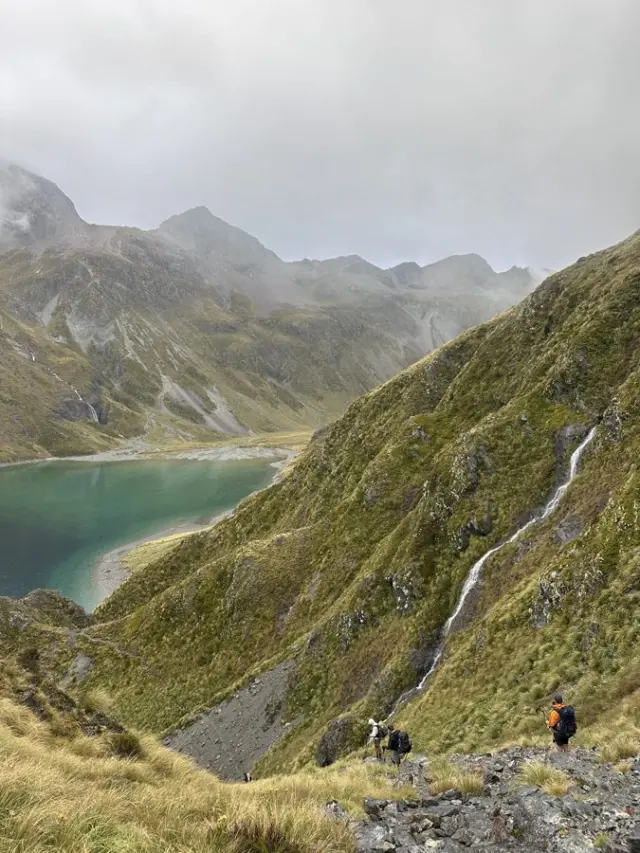
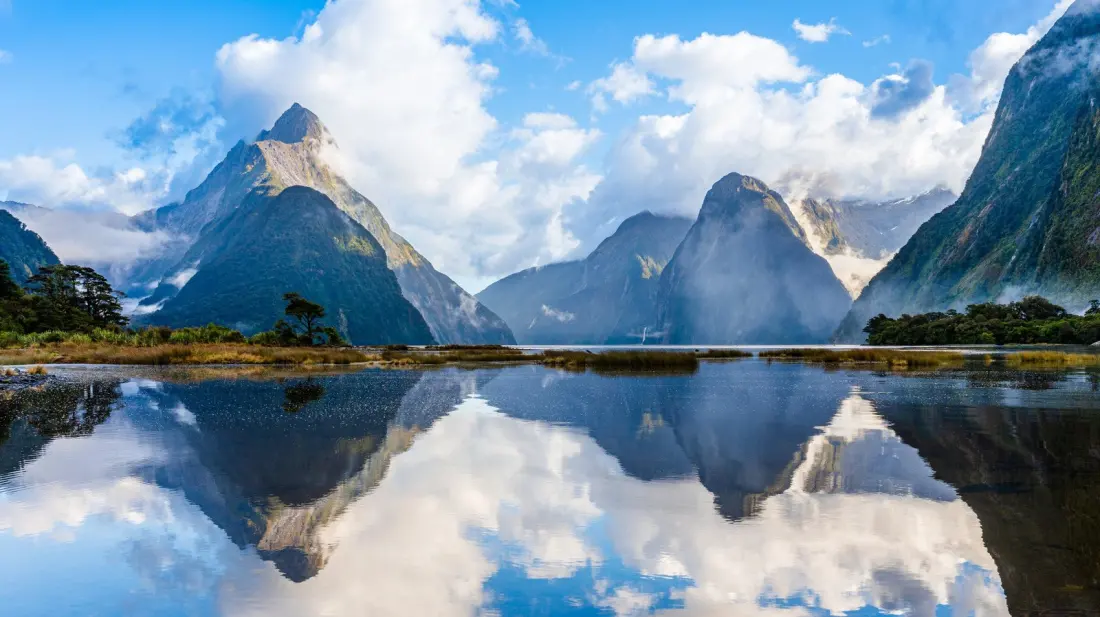
Choose your island deliberately. The North Island holds most of the population, Auckland's city life, Rotorua's geothermal activity, great beaches and the superb Te Papa museum in Wellington. The South Island is the wilderness half: alpine scenery, ski fields, hikeable glaciers, the West Coast drive, world-class stargazing and the 2.6-million-hectare Haast UNESCO World Heritage Area.
Finally, respect the biosecurity rules — they're stricter than almost anywhere. New Zealand spent 85 million years in isolation and still hosts more than 80,000 endemic species. Declare outdoor gear, seeds, plants and food on arrival or risk fines and confiscation. Don't feed birds, and clean your shoes: soil-borne pathogens threaten the native kauri trees, which is why washing stations dot rural trailheads. One bonus translation tip: an invitation to 'bring a plate' means bring food, not an empty dish.
None of this is complicated — it's mostly about not showing off, driving carefully and treading lightly. Do that, and New Zealand rewards visitors with some of the most varied scenery on the planet in a country roughly the size of Colorado.