Booking a flight and noticed a strange flight number on a leg operated by a totally different airline? That's airline partnership machinery at work — and understanding the four levels of it can help you predict how your trip will go, from baggage handling to rebooking rights when things fall apart.
The most basic arrangement is an interline agreement: two airlines simply agree to handle each other's passengers. That means through-checked bags, boarding passes for your whole itinerary, and the possibility of being rebooked on a partner if a flight is cancelled. Airlines don't even need to like each other to do this — Etihad, which belongs to no major alliance, has interline deals with dozens of carriers including American, United, Emirates and JetBlue. There's a catch, though: airlines can walk away. Delta famously cut its interline deal with American after noticing American was dumping disrupted passengers onto Delta flights far more often than the reverse.
Codeshares are one step up. Here, one airline sells seats on another's flights under its own flight number. Take Alaska Airlines and Icelandair: there's no Reykjavik-to-LA service, but Icelandair flies to Portland, and you can book the Portland–LA hop on Alaska as an Icelandair-coded flight (say, FI7696). A single flight can carry several codeshare numbers at once. Financially, the operating airline keeps most of the fare revenue; the real point is that both carriers expand their reachable network without flying new routes.
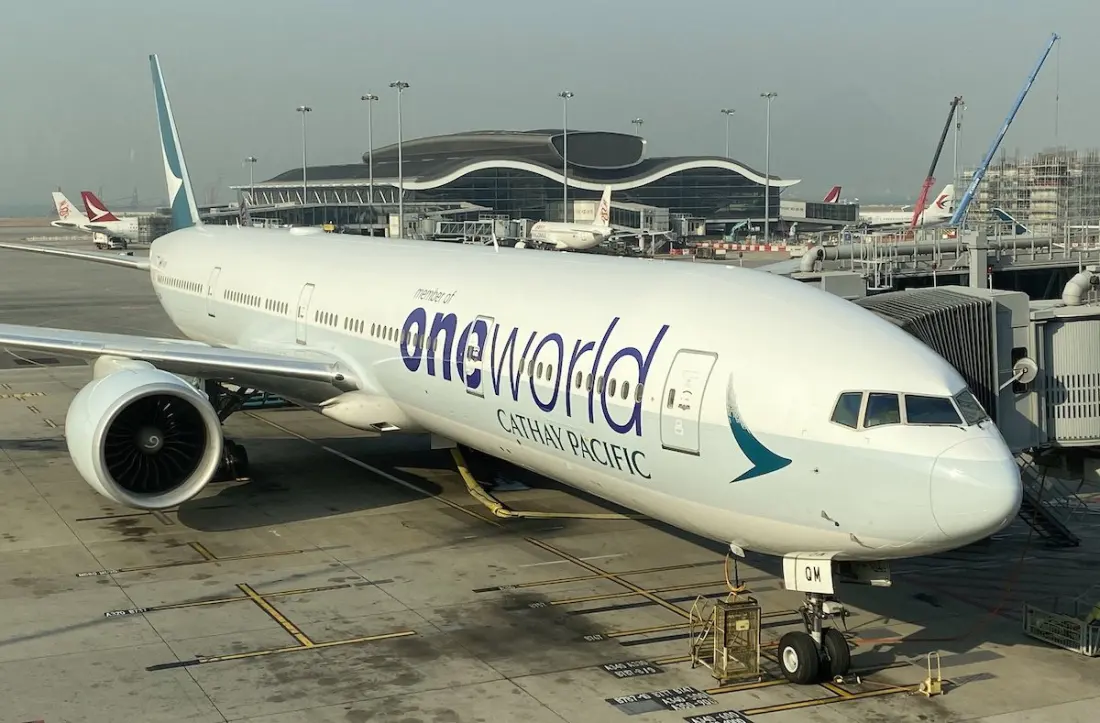
The big three alliances — Star Alliance, SkyTeam and oneworld — are about 25 years old and work on membership dues and reciprocal perks. The consumer upside is consistency: priority check-in and boarding, lounge access, and earning or redeeming miles across member airlines, with carriers reimbursing each other behind the scenes. But their relevance has faded somewhat, because airlines increasingly prefer tighter deals with their best fits. Air Canada is in Star Alliance yet codeshares with Cathay Pacific; Alaska is in oneworld yet partners with independents like Condor, Icelandair and Porter; Qantas is in oneworld but runs its Australia–Europe joint venture with Emirates.
Joint ventures are the deepest tie — codeshare is dating, a joint venture is marriage. They require government approval, involve coordinated pricing and schedules, and revenue is shared as if the airlines were one company, usually within a specific region. American's transatlantic joint venture with British Airways, Finnair, Iberia and Aer Lingus is a classic example, as are its separate transpacific ventures with Japan Airlines and Qantas. For travellers, this usually means the widest schedule choice and a consistent experience across brands. The trade-off: a joint venture effectively removes a competitor from a market, which can push fares up.
Why does this matter when you're planning a trip? Because it tells you what to expect. On a plain interline connection, don't assume much beyond bag transfer. On a codeshare, know which airline actually operates your flight — that's who handles delays and seat assignments. In an alliance, your status and miles travel with you. And on a joint venture route, expect seamless connections but check fares against other carriers, since competition may be thinner than it looks.