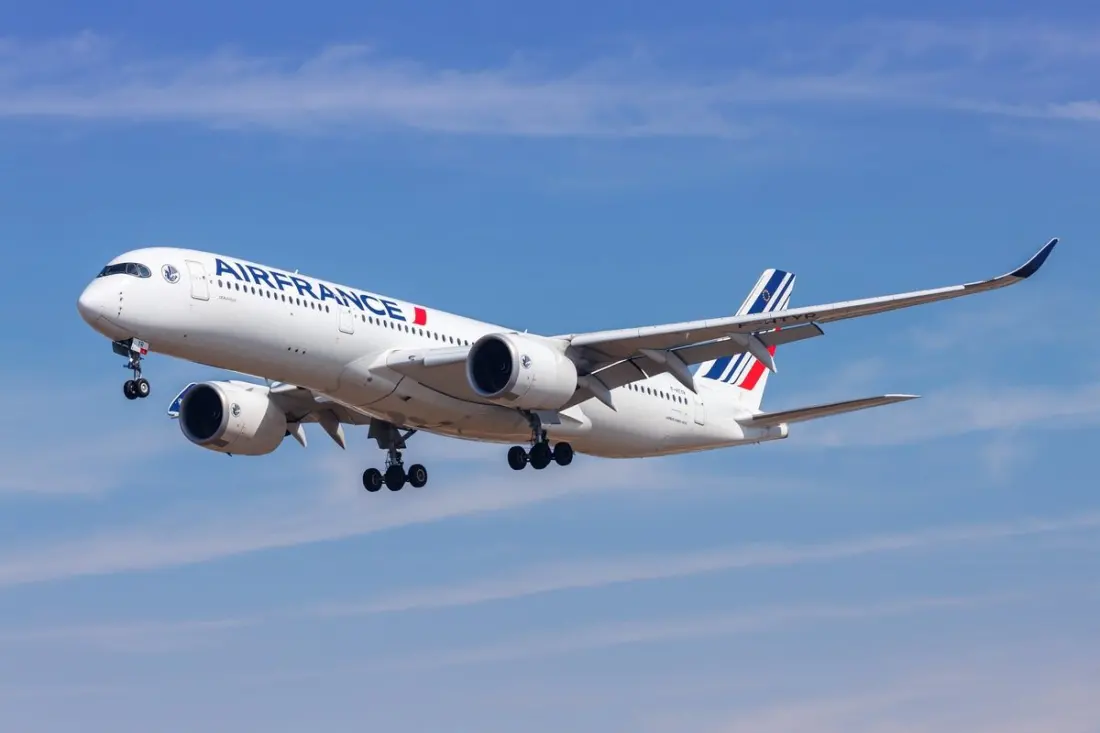
A late-night departure from Los Angeles turned into the kind of near-miss nobody wants to be aboard. On 7 November at around 12.20am, an Air France Airbus bound for Papeete, Tahiti — flight AF28 — made what the Federal Aviation Administration calls an "unauthorised turn" after takeoff from LAX, crossing into the path of an American Airlines plane climbing out from a parallel runway. That jet, AA1660, was heading to Dallas Fort Worth.
Air traffic control moved fast. Recordings of the exchange show controllers firing a traffic alert at the American Airlines crew — "traffic 12 o'clock, less than a mile, maintain 2,000" — before turning to the Air France pilots and repeatedly asking why they had turned onto that heading. The crew was told the episode could be handled as a possible pilot deviation, the formal term for breaking an ATC instruction. The FAA has opened an investigation and says corrective instructions were issued immediately. Both flights carried on to their destinations and landed safely, with no injuries reported.
If it sounds familiar, that's because LAX has form this year. In April, a Frontier Airlines pilot had to brake hard on the runway after two service trucks cut across in front of the jet — a moment the captain described over the radio as the closest call he'd ever seen. Elsewhere in the aviation world, a Jetstar and Qatar Airways near-miss at Sydney Airport has also drawn attention recently.
For passengers, the reassuring part is how these stories tend to end: alerts work, controllers intervene, and flights arrive. The less comforting part is that incidents like this keep happening at major hubs — and LAX, with its tightly packed parallel runways and heavy traffic, is exactly the kind of airport where margins get tested. The FAA investigation will determine what went wrong in the Air France cockpit and whether any enforcement follows.
There's nothing here that should change holiday plans — commercial aviation remains heavily layered with safety checks precisely so a single wrong turn doesn't become a disaster. But if you're flying out of LAX, it's a useful reminder of how busy and complex the operation is, and why ATC audio from near-misses tends to sound so clipped and urgent. Keep an eye on the FAA's findings if you want the full picture.