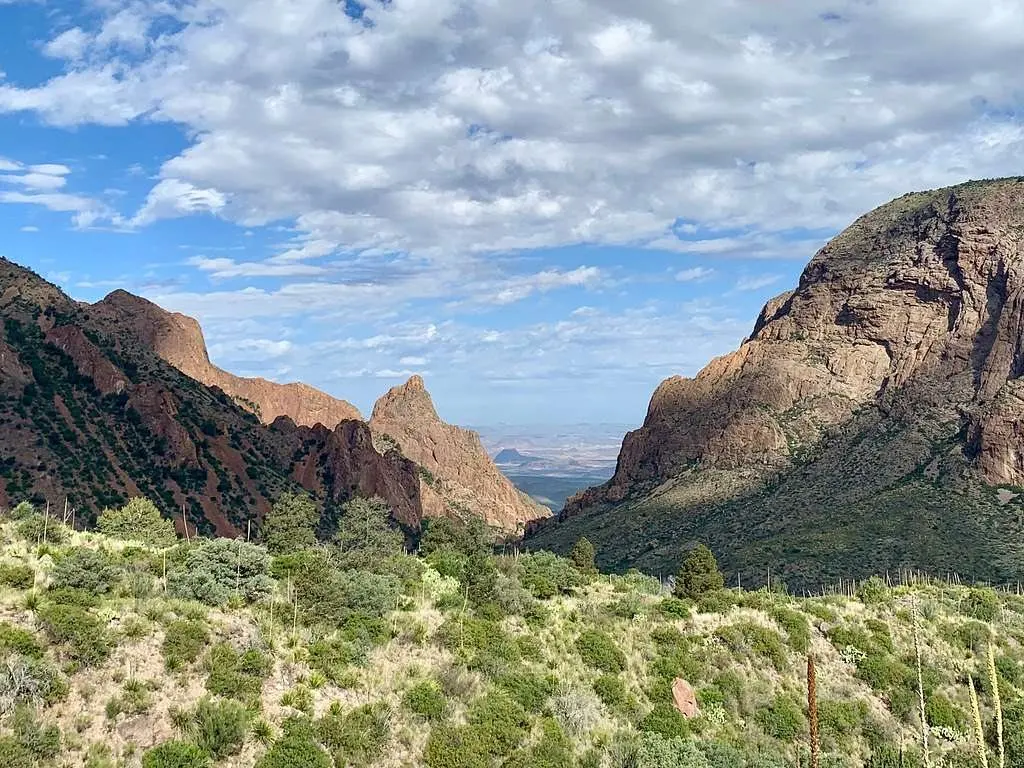
One of America's most remote and dramatic national parks is about to change. The US Supreme Court has cleared the way for border barrier construction to resume in the Big Bend region of far west Texas, including land inside Big Bend National Park itself.
The unsigned ruling lifts a temporary block that US District Judge Kathleen Cardone in El Paso imposed in early October, after finding that challengers to the project were likely to win at least one of their legal arguments. Justice Ketanji Brown Jackson dissented. The wider lawsuit over the roughly 500-mile barrier project is still working through the lower courts, but crews can keep building in the meantime.
Work had already left visible marks on the landscape. In August, bulldozers appeared near Santa Elena Canyon — the towering limestone gorge that ranks among the park's most iconic sights — and crews graded more than a mile of land. Customs and Border Protection plans to put up four- to six-foot vehicle barriers, surveillance equipment and an access road in the area.
Opposition to the project has come from an unlikely coalition: Texas ranchers, local landowners, conservationists, a river guide and a church preservation group, who filed suit back in April. Their core argument is that federal officials overstepped by waiving environmental laws — including the National Environmental Policy Act and the Endangered Species Act — without congressional approval. Critics warn the barriers could block river access, disrupt farming and livestock, and compromise the region's status as the largest dark sky reserve on the planet, a huge draw for stargazers.
The administration countered that stopping work would leave a gap of more than 300 miles in border defences. In the end, the Supreme Court majority accepted that federal law lets the Homeland Security secretary waive conservation statutes, describing the law as showing a clear preference for fast border construction over the harms the plaintiffs raised. It's the administration's first major Supreme Court win since last week's midterms.
Why should travellers care? Big Bend is one of the least-visited national parks in the lower 48, prized precisely for its emptiness — canyon floats on the Rio Grande, desert highways, and night skies so dark the Milky Way throws shadows. Visitors planning trips in the coming months may encounter construction activity, access roads and graded land near Santa Elena Canyon, and the character of the border corridor itself could look very different by the time the case is decided. Anyone with a trip on the books should check the park's current conditions and trail and road alerts before setting off into this corner of the Chihuahuan Desert.