A sharp piece in the German daily Die Welt has put Croatian tourism on the defensive. Travel writer Volker Corsten, after travelling the Dalmatian coast between Zadar and Split and out to the Adriatic islands in summer 2026, argues the country's rush to charge more is scaring away its core German clientele. Total Croatia reports the article has struck a nerve back home.
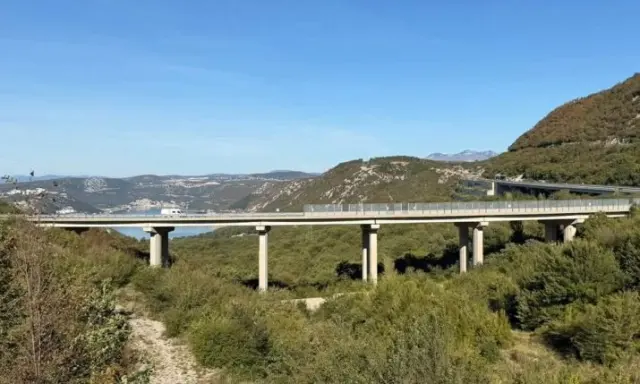
The evidence Corsten offers is impressionistic but vivid: beaches noticeably emptier than in past years, no bumper-to-bumper traffic on the coastal roads, and old towns like Zadar and Šibenik walkable even in August without fighting through crowds. He insists the pull factors were intact — clean sea, pleasant temperatures, sunshine without heatwaves. The problem, he says, is what happens when the bill arrives.
His price examples are pointed. In Zadar's busiest tourist streets, a scoop of ice cream starts at €3, dropping to around €2 in the back lanes. An Aperol Spritz runs €9–11 depending on where you sit. Grilled squid, a Dalmatian staple, has jumped from roughly €20 in taverns a year ago to about €25 in 2026. His favourite symbol of it all: a pancake from a beach kiosk near Šibenik that cost seven kuna (about €1) before Croatia adopted the euro in 2023, €2 after the switch, and €5 this summer.
The wider numbers back the mood. Citing the Croatian Bureau of Statistics, Die Welt notes tourism prices rose 70% between 2015 and 2024, against a current national inflation rate of 4.4% — and steeper increases on the coast. The Ministry of Tourism insists registered overnight stays in July were slightly up year on year, but Corsten, pointing to reports of empty hotels and beaches, compares the official line to Potemkin villages.
There's also a strategic dig. Croatia officially wants to shift towards higher-value, more sustainable tourism, with Mallorca often cited as a model. Corsten's verdict: on prices, Croatia has already arrived — on quality of hotels, infrastructure, gastronomy and service, it hasn't caught up. "Almost fifty years of socialist Yugoslavia cannot be erased so quickly," he writes.
Why should travellers care? For now, this is mostly good news if you're heading to Dalmatia. Fewer crowds on the beaches, in the old towns and on the roads is exactly what many visitors have been hoping for after years of August gridlock. The catch is at the till: expect premium prices in prime spots and shop a street or two back for ice cream, drinks and dinner, where the same things cost noticeably less. Watch whether Croatia's quality actually rises to meet its prices — that's the question German holidaymakers, who fill the coast every summer, are now openly asking. Reportage via Total Croatia.