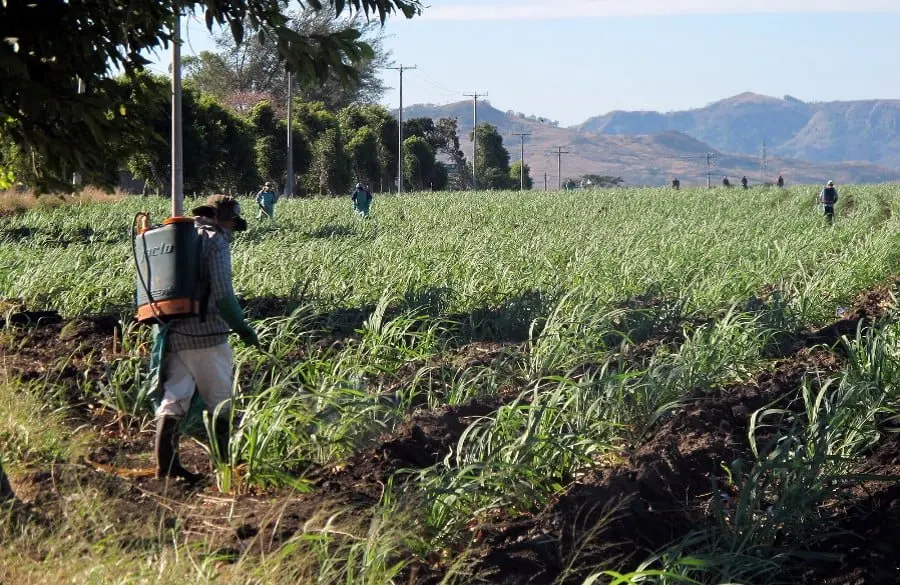
Beyond the surf towns and volcano hikes, most of El Salvador is countryside — and daily life there looks nothing like the tourist trail. Days start before sunrise, with farmers in their fields and children walking long distances to school. A recent overview of rural life paints a detailed picture of both the strength of these communities and the hardships they face.
Money is the central issue. Steady work is scarce away from cities, and many households depend on subsistence farming of corn and beans, informal day labour, or remittances from relatives abroad. Even those with jobs often earn wages that barely cover food, transport and school supplies — and informal work typically means no health insurance, paid leave or pension.
Farming brings its own risks. Small-scale growers buy seeds and fertiliser before knowing what a harvest will bring, then face unpredictable rain, drought, flooding and middlemen who pay below market prices for their crops. A single bad season can wipe out a family's investment and its food supply at the same time.
Services are patchy. Some villages have electricity, paved roads and running water; others rely on wells and springs that run low in the dry season, and unpaved roads can become impassable after heavy rains. Health centres offer only basic care, so specialist treatment means a long and expensive trip to a larger town — a serious problem in emergencies. Internet coverage is unreliable too, which holds back students and small businesses alike.
Education and migration are tightly linked. Primary schools may be close by, but secondary schools and universities usually are not, and transport costs push many teenagers out of the classroom and into work. When young adults do leave — for San Salvador or overseas — grandparents often end up raising the children left behind, even as the money sent home keeps households afloat.
There's another side to the story. The same reporting highlights tight family networks, generations-old traditions and community-led projects, including FAO-backed schemes helping farmers harvest rainwater and protect their soil. Women, who often juggle farming, caregiving and small businesses without pay, are central to keeping these communities running.
For travellers, this matters. If you're heading beyond the beaches to places like the Ruta de las Flores, Suchitoto or the northern highlands, you'll be passing through communities where a bus ride to the doctor is a major expense and a bad harvest is a family crisis. Buying directly from farmers at markets, eating at local comedores and using community-run tours and guesthouses puts money where it does the most good. Understanding the context turns a scenic detour into something more respectful — and more rewarding.