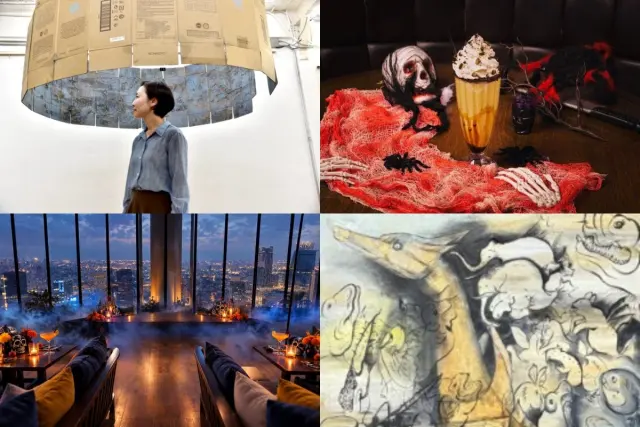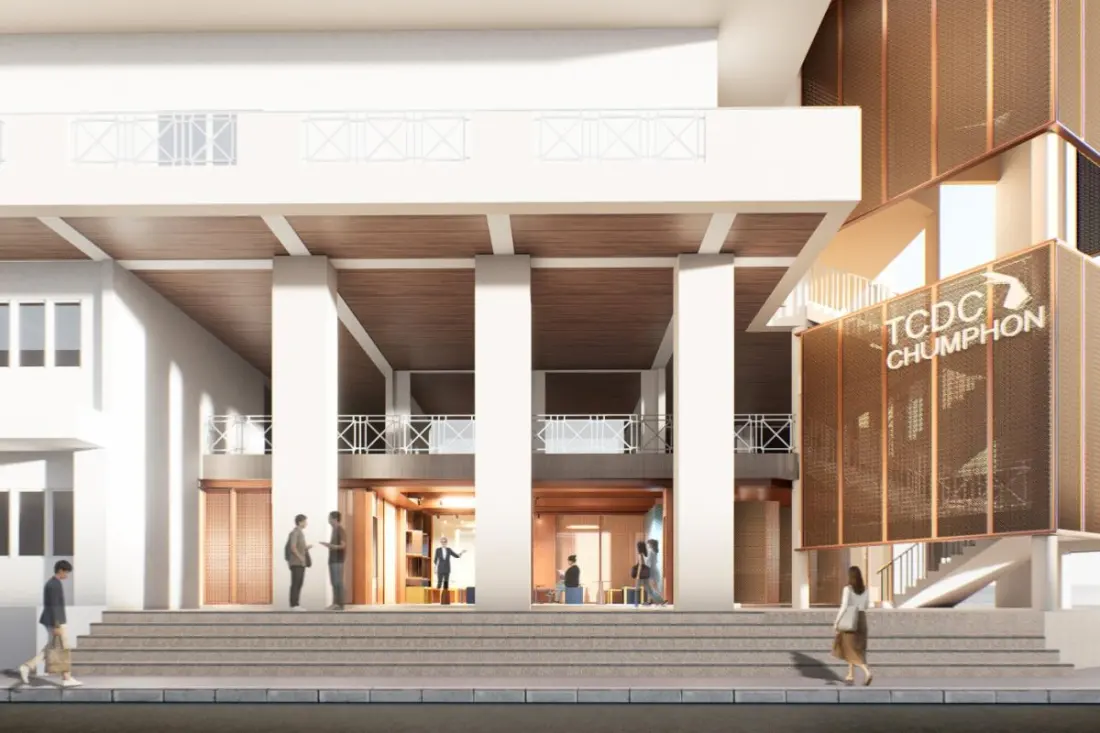
Bangkok's Thailand Creative & Design Center (TCDC) has been a quiet fixture of the city's design scene since 2005 — a resource centre where designers, makers and the simply curious can work, learn and connect. Now the Creative Economy Agency (AEC) is rolling the idea out nationwide, signing memoranda with local administrations to open five new TCDC branches in Chumphon, Nakhon Si Thammarat, Roi Et, Sakon Nakhon and Yala, with construction on all five due to begin in 2027.
The timing makes sense. Thailand's creative economy generates roughly 1.63 trillion baht a year — nearly 9% of the country's total economic value — and the government wants that activity spread well beyond the capital. Each new centre is being co-designed with the province it serves, built around three core functions: a space to experiment and collaborate, a platform for developing ideas, and a way to access knowledge.
What's interesting for visitors is how each branch gets its own specialty lab tuned to local strengths. Chumphon's focuses on robusta coffee — the province is a top-three producer in Thailand, and its lab will work on flavour, aroma and new packaging for growers whose raw beans alone don't earn much. Nakhon Si Thammarat leans into its reputation as a spiritual tourism destination, with a 'Spirit Lab' linking crafts like Yan Liphao basketwork and Pha Yok Muang handwoven textiles to local beliefs. Roi Et's 'Rice Lab' plays to jasmine rice country, exploring Thai Isan rice varieties and new pairings, blends and cosmetics. Sakon Nakhon's 'Future Indigo Lab' builds on a dyeing tradition so respected that the province's indigo-dyed uniforms featured at this year's SEA Games — the goal is moving local indigo products into wider markets. Yala, inspired by its Malay culture and a Malayu Day event running nine years, partners with Malaysian and Indonesian councils to develop batik, songket and tekat materials, with hopes of exporting local Malay fashion into a global market worth over 50 billion baht.
The practical thread running through all five: better products mean better incomes for local producers, and better products give travellers more reasons to venture beyond the usual circuit. If you're the kind of traveller who plans trips around craft, food and regional culture — think Oaxaca for mezcal or Kyushu for sake — these provinces are positioning themselves as exactly that kind of destination, and the TCDC centres will be natural places to see the work in progress once they open.
Keep an eye on 2027 for construction, with openings to follow. For now, the original TCDC on Chulalongkorn's campus in Bangkok remains free to visit and a good primer on what the provinces are about to get.