Global Entry sounds like pure wins: skip the customs queue after a long-haul flight, breeze through a kiosk, and get TSA PreCheck bundled in. Since US Customs and Border Protection launched the program in 2008, nearly 13 million travellers have signed up, and it now operates at around 80 airports, including some international ones in Canada, Ireland and the Bahamas. But the perks come with real trade-offs that aren't always clear at sign-up.
The first sticking point is cost and logistics. Membership runs $120 for five years, it's non-refundable even if you're denied, and every adult in your household needs their own membership — no sharing the fast lane. If you already have TSA PreCheck, you can't upgrade; you have to apply and pay in full. There are workarounds: many credit cards reimburse the fee, kids under 18 enrol free with a guardian's consent, and frequent domestic flyers may be better off with PreCheck alone at $76.75 for five years.
Then there's the paperwork. After paying and submitting your application, you'll wait for conditional approval — anywhere from two weeks to, per CBP, 12 months or longer — before booking an in-person interview at an enrollment centre. Those slots are notoriously scarce; some applicants wait up to a year. You'll need your passport, a second ID and proof of residency, and interviews may be required again at renewal. Expedited processing exists for existing PreCheck members (enter your Known Traveler Number), smaller centres often have shorter waits, and Enrollment on Arrival lets conditionally approved applicants interview at certain airports — including some abroad, like Aruba, Bermuda and the UAE — without an appointment.
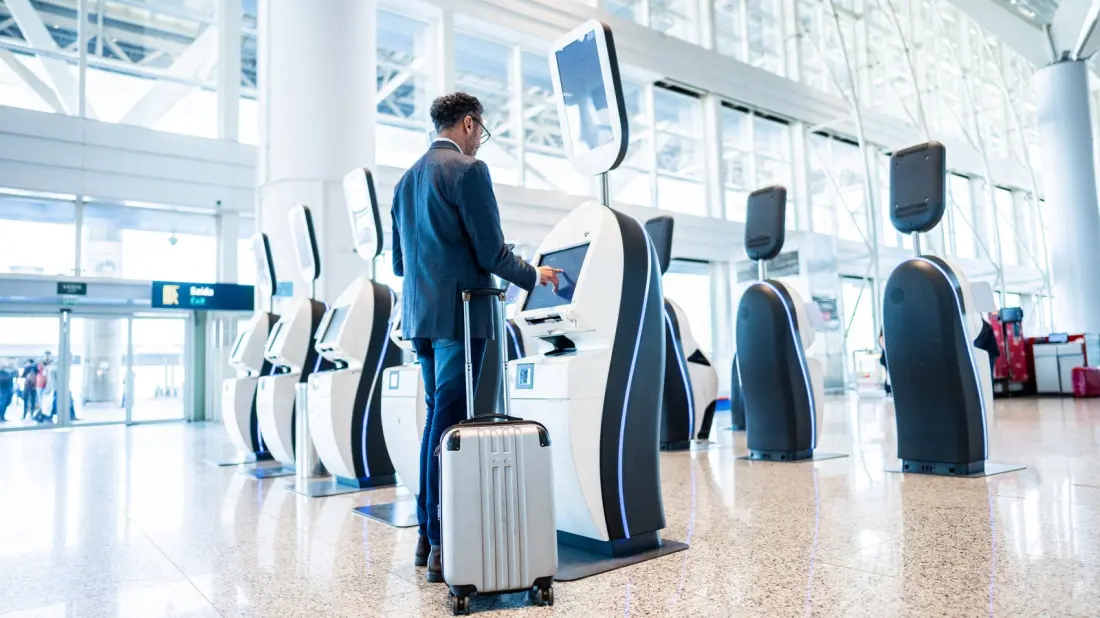
Privacy is a bigger concern than many realise. Since 2018, kiosks have used facial recognition, matching your live photo against government records. CBP says photos of US citizens are deleted within 12 hours, but most non-citizens' images can sit in a Department of Homeland Security biometric database for up to 75 years, and enrollment photos are stored there too. Privacy groups, including the ACLU, have flagged the long retention and broad agency access, and the technology is known to misidentify people of colour at higher rates. US citizens can opt out of the kiosk and ask an officer to check their passport instead; foreign visitors cannot.
Finally, membership isn't guaranteed to stick. CBP vets members continuously, and revocation — once rare — has surged since 2024, with tens of thousands removed, often without explanation, according to Bloomberg. Some travellers allege they lost membership after lawfully observing ICE operations, though CBP says First Amendment activity isn't grounds for revocation. If you're booted out, you can appeal to the CBP ombudsman — between 2020 and 2023, 39% of reconsideration requests succeeded.
The takeaway: Global Entry is genuinely valuable for regular international flyers, especially if a credit card covers the fee. But if you fly domestically most of the time, have a complicated travel history, or are uneasy about biometric data, PreCheck or nothing at all may be the smarter play.