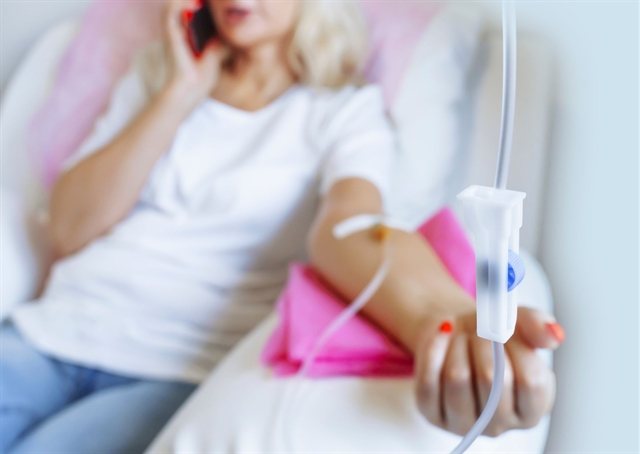
Wellness drips have quietly become part of the holiday itinerary. Spas, gyms and boutique clinics in resort towns around the world now market IV NAD+ infusions as a 'fountain of youth' — promising more energy, sharper thinking and even anti-aging effects. Writing for Vietnam News Life, paediatrician Dr Jonathan Halevy argues the marketing has run far ahead of the medicine.
NAD+ itself is a natural molecule involved in energy production and cellular processes, and research into its role in aging is genuinely interesting. The problem, Halevy says, is that no convincing human evidence yet shows that IV infusions of it reverse aging, boost cognition or fix chronic fatigue in healthy people. Human studies exist, but they are small and don't support the dramatic claims on the brochures.
Then there are the side effects. IV NAD+ is not just pricey vitamin water: reactions reported during infusions include nausea, chest tightness, palpitations, flushing, chills, vomiting and headaches, sometimes severe enough that the drip has to be stopped. Allergic reactions and anaphylaxis are possible. In July 2026, a 27-year-old woman died after an infusion at an unlicensed wellness centre in New York — a stark reminder that an IV is a medical procedure, not a spa treatment.
The bigger worry may be what's actually in the bag. Because an infusion bypasses the digestive system entirely, sterility and purity matter enormously. The US Food and Drug Administration has logged adverse reactions to injectable NAD+ products — severe chills, shaking, vomiting and fatigue consistent with excessive endotoxin exposure, meaning contaminated product — and has flagged ingredients unsuitable for sterile compounding. Any IV done with poor infection control can also introduce bacteria into the bloodstream, and in extreme cases lead to sepsis, while sloppy needle practice risks blood-borne infections like hepatitis B, C and HIV. On the cancer question, Halevy is measured: there's no convincing human evidence that IV NAD+ causes or accelerates cancer, but long-term effects of high doses simply aren't understood yet.
There's also a practical risk travellers rarely consider: where the drip is given. A serious allergic or blood-pressure reaction needs trained staff and emergency equipment on hand. That's plausible in a properly equipped medical facility; far less so in a gym corner or a beachside wellness studio.
If you're chasing energy and recovery on your trip, the boring options still win — regular aerobic and resistance exercise, consistent quality sleep, and a balanced diet supplying niacin and nicotinamide your body uses to make NAD+ naturally. And persistent fatigue or brain fog may point to something treatable, like sleep apnea, thyroid dysfunction or iron deficiency — worth discussing with a doctor rather than papering over with a drip.
Bottom line for travellers: interesting biology is not the same as a proven treatment. Before letting anyone put an unproven solution straight into your vein, ask what the evidence actually shows — and whether you know exactly what's going into your body.
Credit: Vietnam News Life