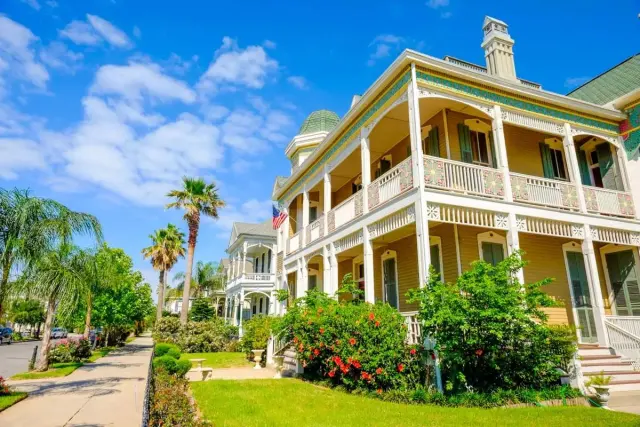
Florida has long been the default retirement setting: golf, beaches, no state income tax on retirement savings. But if the idea of trading shuffleboard for trailheads appeals, Montana is quietly making its own pitch — affordable living, a low density of neighbours and some of the best outdoor terrain in the country.
The financial picture is more nuanced than a simple price tag. Montana's cost of living sits in the lower half of US states, and there's no sales tax, so everyday spending goes further. Property taxes are also low, keeping homeownership within reach for those on a fixed income. The catch: the state does tax retirement and Social Security income at up to nearly 6%, whereas Florida leaves those benefits untouched. For some budgets, that will matter.
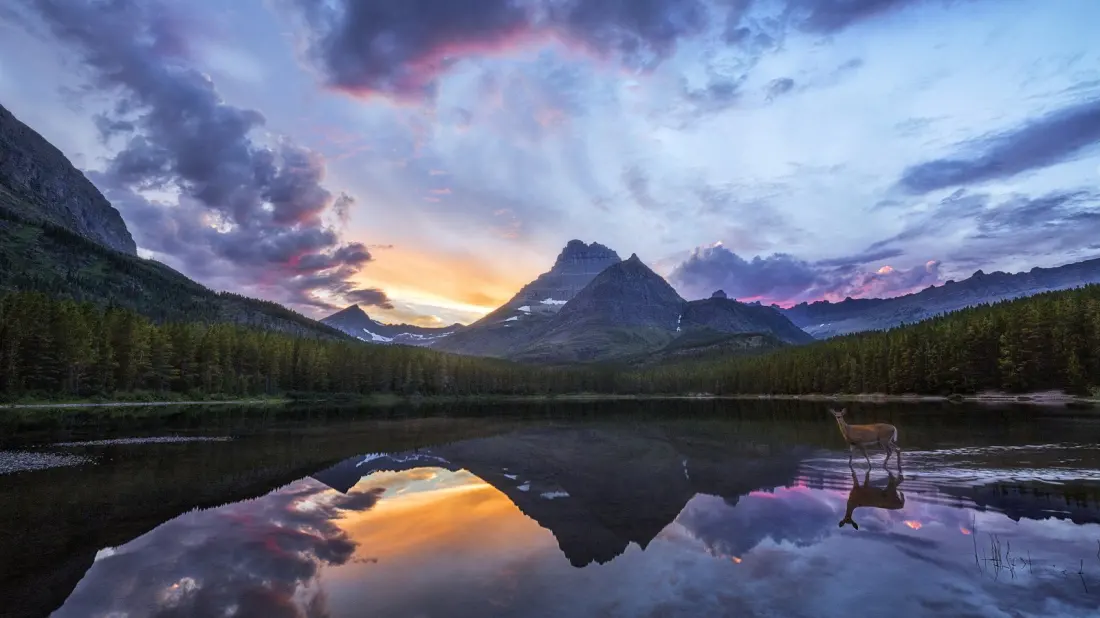
What you get in return is hard to overstate. Montana has two marquee national parks — most famously Glacier in the northwest, with 131 named lakes, 175 mountains and a million acres of jagged peaks and alpine water, all drivable along the 50-mile Going-to-the-Sun Road. Beyond the parks, seven national forests cover the western half of the state; the largest, Beaverhead-Deerlodge, sprawls across 3.32 million acres. Hiking, fishing, camping and backcountry wandering are effectively part of the lifestyle rather than a holiday activity.
The towns are the other selling point. Locals describe Montana as a big town with really long roads — communities are small but tightly connected. Butte, with about 35,000 residents, has median home values and rents well below national averages. Nearby Anaconda (population 9,700) matches that affordability and sits close to Lost Creek State Park. Dillon, home to around 4,400 people, offers an even quieter base. And this is no isolated retirement experiment: roughly 22% of Montanans are 65 or older, climbing to 34% in Hamilton.
Two honest caveats before you pack the car. First, almost nothing in Montana is walkable — you will need a car, and distances between services can be long. Second, healthcare access in rural areas is limited, so anyone with ongoing medical needs should weigh proximity to hospitals and specialists carefully. Weather is a third consideration: Billings sees summer heat above 90°F, while Bozeman winters sit consistently below freezing. The upside is dry, low-humidity air for most of the year.
For travellers as well as retirees, the story is the same in miniature. Montana works as an affordable base for exploring Glacier, the Rockies and a string of small towns where a meal or a room costs less than in Colorado's resort corridor. It rewards people who like space, self-reliance and scenery over nightlife — and who don't mind driving to get any of it.
If Florida feels like a retirement you've already seen, Montana is the alternative worth researching seriously: check the tax math for your own income, shortlist a town with decent medical access, and go spend a week there before committing.