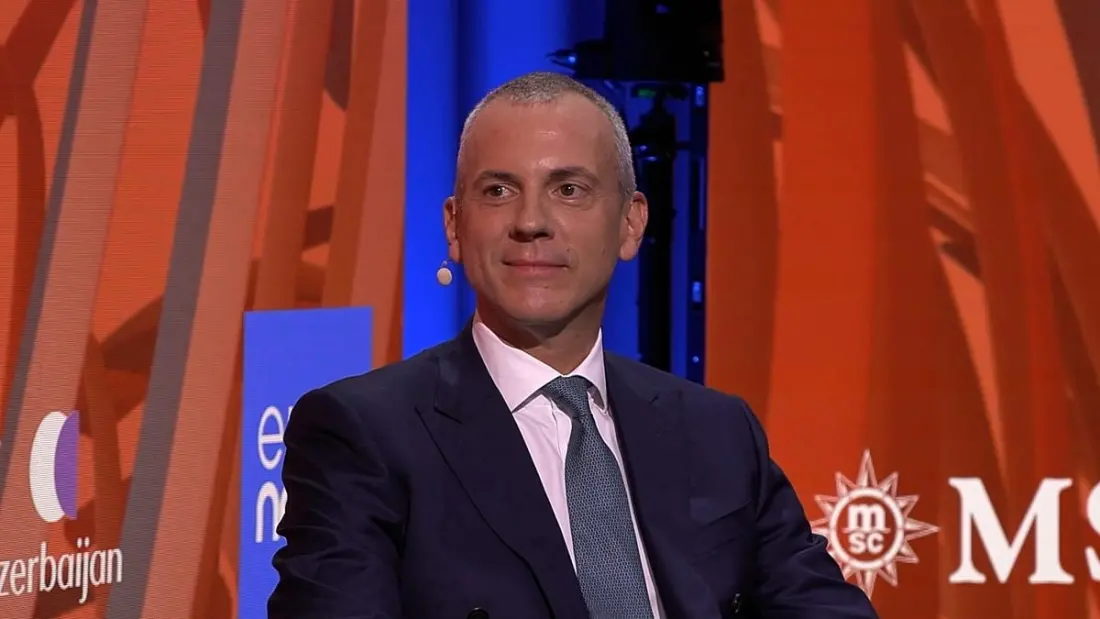
Azerbaijan wants more than stopover traffic. Speaking at a travel and tourism summit, Azerbaijan Tourism Board CEO Florian Sengstschmid laid out how direct flights, a state program running to 2030 and regional peace are reshaping what a trip to the South Caucasus can look like — and why travellers should look beyond Baku.
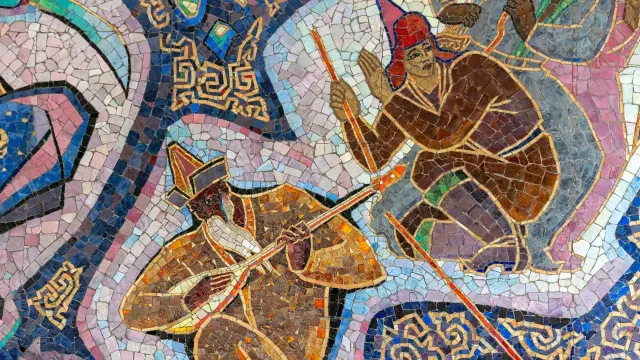
The pitch starts with culture. Sitting where Europe meets Asia, the country carries unexpected European traces: bridges built by the Siemens brothers, German heritage villages like Helenendorf, and a largest-Jewish-settlement with red-tiled roofs believed to be the world's last surviving shtetl. Mosques, churches and synagogues often stand side by side. The peace process, including an initial deal signed in Washington in August 2025, could also open the door to multi-country itineraries across the South Caucasus.
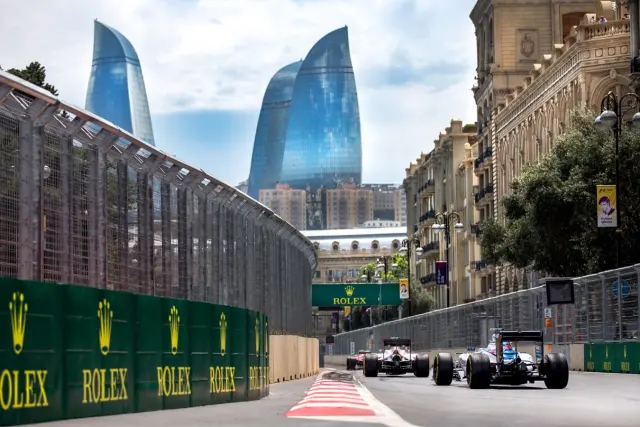
Baku, meanwhile, has become a seasoned host. A recent Formula 1 weekend brought more than 17,000 international visitors, and after Eurovision 2011 and COP29 in 2024, the city's conference credentials are hard to argue with. Connectivity is improving too: Baku airport holds a five-star Skytrax rating, Azerbaijan Airlines is taking new aircraft, and from 8 May 2027 it will fly Brussels–Baku four times a week.
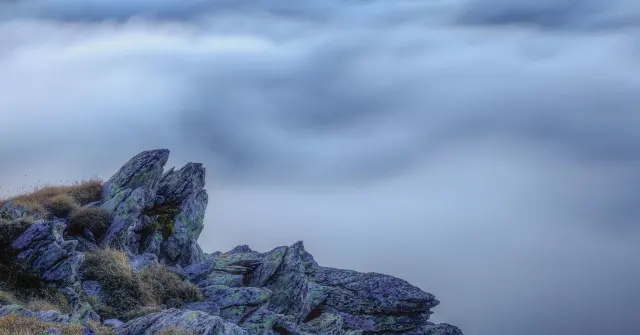
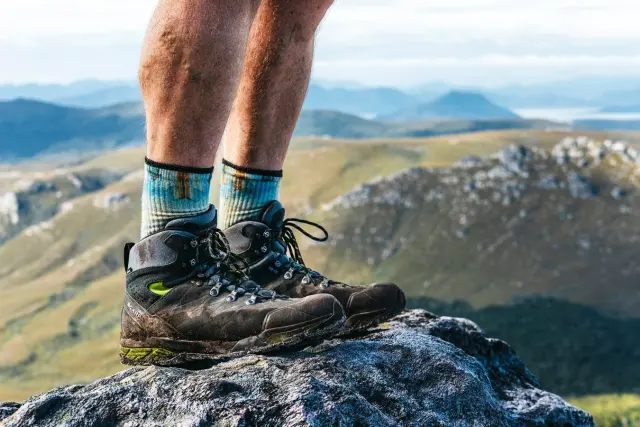
But the real story is outside the capital. The Silk Road threads past heritage villages and UNESCO-listed Shaki in the Greater Caucasus, famous for its Khan palaces. There's a wine route, and a wellness scene built on naftalan oil, used for skin treatments for centuries. The terrain spans deserts to 4,000-metre peaks, and winter is a growing focus: a five-year FIS partnership brings World Cup freestyle moguls finals to Shahdag in March.
Growth is being managed with locals in mind. Basgal, a former silk-printing centre on the Silk Road, was largely abandoned until infrastructure investment brought families back — now it has tea houses, food stalls and working artisans. In 2025 tourism generated around €3.5 billion (5.4% of GDP), with a target of 12 billion manat by 2030. Notably, the plan favours longer stays and higher spending over big visitor-number jumps.
Entry is easy for most travellers: an e-visa processed within three days, or three hours if you're in a hurry. Sengstschmid's own secret tip? Sim, a southern village of moss-covered wooden balconies, running water, waterfalls and a UNESCO-listed forest at its edge. His three words for the country: real, warm, uplifting.