Bishkek, the leafy, grid-planned capital of Kyrgyzstan, is about to get a much more precise picture of itself. Japan has committed a non-repayable grant of 650 million yen to build a high-precision 3D topographic map of the city, along with a system for managing and regularly updating the model.
The deal moved a step closer when the Zhogorku Kenesh Committee on Agrarian Policy approved the draft grant agreement on November 16. The arrangement sits under JICA's Economic and Social Development Program, with a draft resolution and an exchange of notes between the two governments now on the table. Once the paperwork is agreed, it goes forward for ratification.
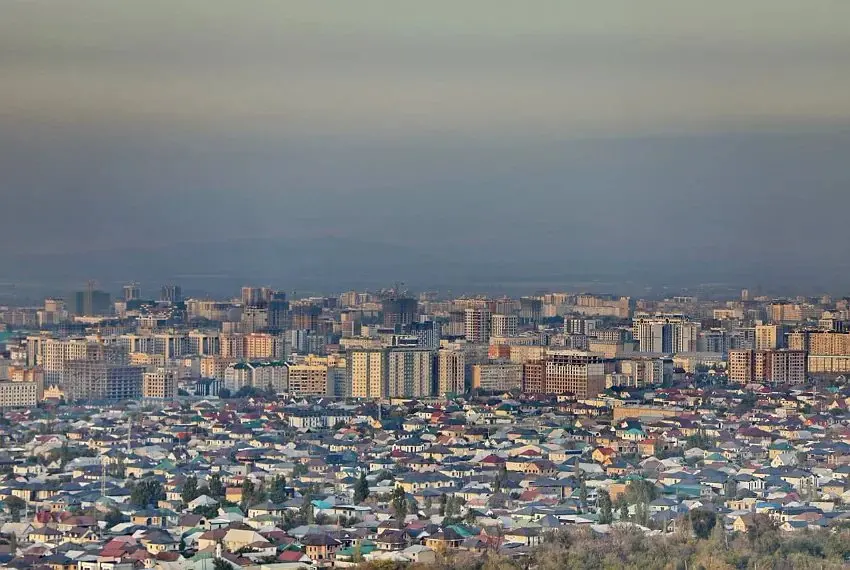
Why does a Central Asian capital need a full three-dimensional model? According to Zhakshylyk Toktosunov, Deputy Director of the State Agency for Land Resources, Cadastre, Geodesy and Cartography, the answer is simple: Bishkek is growing fast. The city's territory has been expanded, construction activity has surged, and its engineering and transport networks are under real strain. A living 3D model gives planners accurate spatial data they can keep current — useful for everything from road design to utilities management.
For visitors, the story is a useful signal about the direction of travel. Bishkek has long been a low-key gateway city: broad Soviet-era avenues, buzzing bazaars like Osh, easy access to the Ala-Too mountains less than an hour away. It's charmingly rough around the edges, and that's part of the appeal. But the Japanese-funded mapping project underscores that the capital is in a serious phase of expansion and modernisation. Expect new districts, more traffic and a changing skyline over the coming years — good reasons to visit sooner rather than later if you want to see the city at its current scale.
Bishkek also remains the practical launchpad for most Kyrgyz adventures. Karakol and the trekking trails around Lake Issyk-Kul are a scenic day's drive east, while Song-Kul's summer pastures draw horse-trek travellers. Whatever your route, it almost always starts here.
It's not the kind of headline that sells flights on its own, but city-scale infrastructure investment is one of the clearest hints of where a destination is heading. For a country still off most travellers' lists, a 650-million-yen show of confidence from Japan is worth a note in the margins.