Japan has a new long-distance route to its name. The Hitachi-no-kuni Long Trail in northern Ibaraki Prefecture is now fully open, and at roughly 350 kilometres it claims the title of the country's longest long trail designed as a loop — you end where you started, no backtracking required.
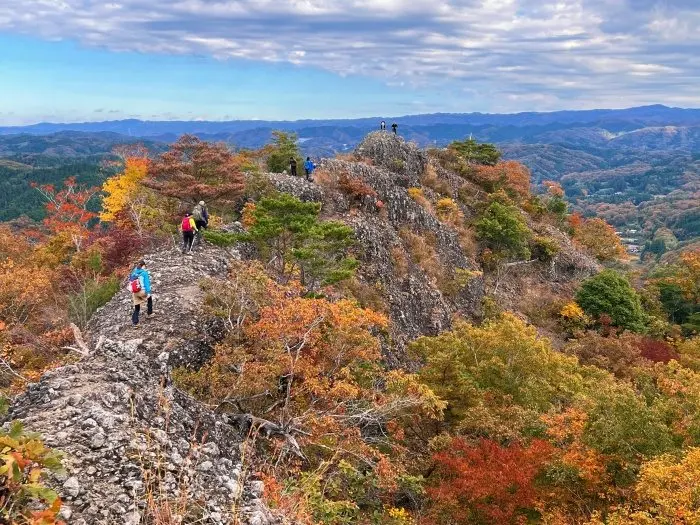
The route links six cities and towns across northern Ibaraki, an area about one to two hours from Tokyo. That proximity is a big part of its pitch: you don't need weeks of annual leave or a domestic flight to sample it. The trail strings together an unusually varied set of landscapes, from deep forest and satoyama (the managed woodlands and farmland at the edge of rural communities) through river valleys to stretches of Pacific coastline, with historic and cultural sites scattered along the way.
The philosophy here is different from mountain climbing, where the summit is the point. Long trails are about the walk itself — the idea is that you experience a region's everyday life, food and people at walking pace. Japan has deep roots in this style of travel, from the Kumano Kodo pilgrimage routes to the 88-temple Shikoku pilgrimage, and long trails have been gaining traction as wellness- and nature-focused travel grows.
Crucially, the trail is built to be walked in pieces. There's no expectation that anyone completes all 350 kilometres in one go; the route is explicitly designed for section hikes and day hikes matched to your fitness and schedule. That makes it a realistic weekend option for Tokyo-based hikers, or a multi-day project for anyone wanting a deeper dive into Ibaraki — a prefecture that most international visitors skip on their way between Tokyo and points north.
Ibaraki itself is more varied than its low profile suggests. The trail's backers point to everything from space research facilities to sites tied to mythology and traditional crafts, plus the region's fermentation culture — think miso, soy sauce and sake production rooted in local agriculture. Walking through working farmland and small communities, rather than a protected wilderness cordoned off from daily life, is the whole point of the route's design.
For travellers, this is a proper slow-travel proposition: not a checklist of sights but a route that trades speed for texture. If you've already done the Kumano Kodo and want something far quieter, or you simply want a walking holiday that's an easy train ride from Tokyo, this is now the longest and newest option in the country.