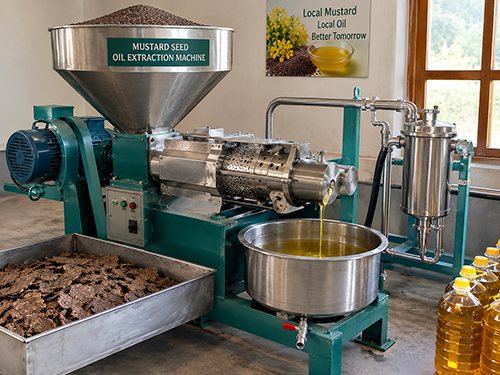
A small village in Bhutan's Chukha district is quietly changing what people there cook with. Metakha Gewog, working with local farmers, began pressing its own mustard oil in March 2026, part of a push to cut the country's reliance on imported cooking oil and keep more money in local pockets.
The numbers so far are modest but telling: around 1,500 litres of oil extracted from 5,000 kilograms of seeds, with roughly 200 households now growing mustard. The long-term ambition is far bigger — the gewog wants capacity for up to 20,000 metric tonnes a year, with surplus eventually sold to other districts. Farmers from neighbouring gewogs are already bringing their seeds to Metakha's extraction machine, which was placed deliberately at an accessible spot and can also purify oil for commercial buyers.
For locals, the change is visible at the shop counter. Shopkeeper and farmer Tshewang Dema used to haul mustard oil from Phuentsholing, a costly trip that got worse in summer. Now she sells locally pressed oil at Nu 170 per litre, down from the Nu 220 she charged for the imported version. Another farmer, Sangay, pressed about 20 litres from last season's seed — enough for his kitchen — and plans to expand from his usual two acres.
The bottlenecks are real: rough roads and missing bridges make moving seed and oil hard, and the gewog is planning maintenance on its connectivity roads as a priority. Still, the initiative fits into Bhutan's wider push for food self-sufficiency, and it is stirring fresh interest in farming among younger households.
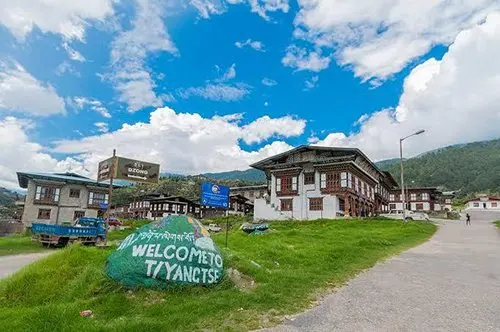
For travellers, this is a glimpse of Bhutan's countryside doing exactly what the country hopes it will — producing more of what it consumes. If you find yourself in rural Bhutan, the sharp, pungent mustard oil in your ema datshi may well be locally grown, and choosing village-produced food is a direct way to support these communities. Metakha itself sits in the hills of Chukha, the district most visitors pass through en route from the Phuentsholing border to Thimphu, making it one of the more accessible places to see community-level agriculture at work. Slow-travel and agritourism fans will find the story of a village taking control of its own food supply a compelling reason to linger beyond the usual circuit.