American Airlines is juggling two problems that don't sit well together: a fuel bill that has ballooned by billions, and a White House whose favour the airline seems keen to keep. For travellers, the first issue matters most — it's already cutting flights and nudging fares up.
The numbers are stark. The airline had been forecasting close to $6 billion in extra annual fuel costs even before the conflict with Iran disrupted oil supplies. Two weeks after CEO Robert Isom visited the White House to praise the president, CFO Devon May told the Morgan Stanley conference on September 16 that the latest fuel spike had added roughly another $1 billion to the fourth-quarter outlook alone. American had already suspended some summer routes in June because of expensive fuel, and Isom has warned that persistently high prices would force further cuts to planned flying.
American isn't alone. United has been pulling planned December flights, and Southwest has roughly halved its targeted capacity growth for 2026. The logic is simple: when fuel costs more, some routes lose money, so airlines drop them. Demand is still solid, which means higher fares are partly airlines recovering costs rather than chasing extra profit — but either way, passengers pay more for less choice.
The political angle is the curious part. Isom used his White House appearance to credit the administration for industry records and called Transportation Secretary Sean Duffy the "best person possible" for the job. The commentary from View from the Wing points out that this courtship goes beyond words: American matched the government's $1,000 contribution to children's savings accounts for eligible employees under the programme bearing the president's name, put Trump's name on gate screens at West Palm Beach, and even opened its statement rejecting a merger with United by thanking Trump and Duffy.
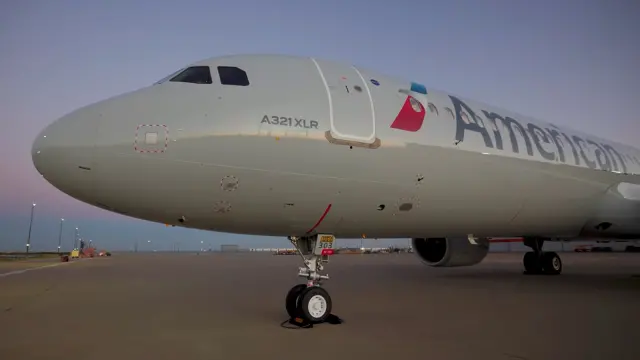
Why the flattery? Two business decisions loom large. American is weighing an order for up to 65 widebody aircraft — possibly Airbus A330-900s, which would break its all-Boeing widebody fleet at a moment when the administration has made Boeing sales a trade priority and floated tariffs on imported aircraft and parts. Staying friendly first makes sense. Then there's Alaska Airlines: the two carriers explored a merger earlier this year, and any deal — or even Alaska joining American's Pacific joint venture with Japan Airlines — would need sign-off from the very agencies that answer to this White House.
For holiday planners, the takeaway is practical. Expect thinner schedules on marginal domestic routes, especially off-peak, and book earlier rather than later as airlines trim capacity to protect margins. The politics will play out in boardrooms and Washington hearings; the flight cuts will show up in your search results much sooner.