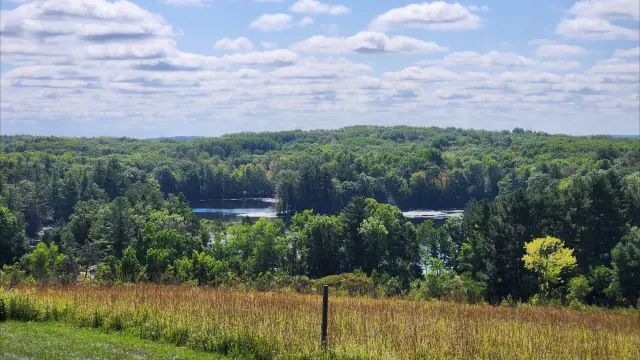
Around 3,500 Kodiak bears roam a single Alaskan island, roughly one per square mile, and the only way to meet them properly is with the people who have shared that ground for thousands of years. That is the pitch of the Kodiak Brown Bear Center and Lodge, an all-inclusive, Alutiiq-owned wilderness lodge on Camp Island in the remote Karluk Lake region of the 1.9-million-acre Kodiak National Wildlife Refuge.
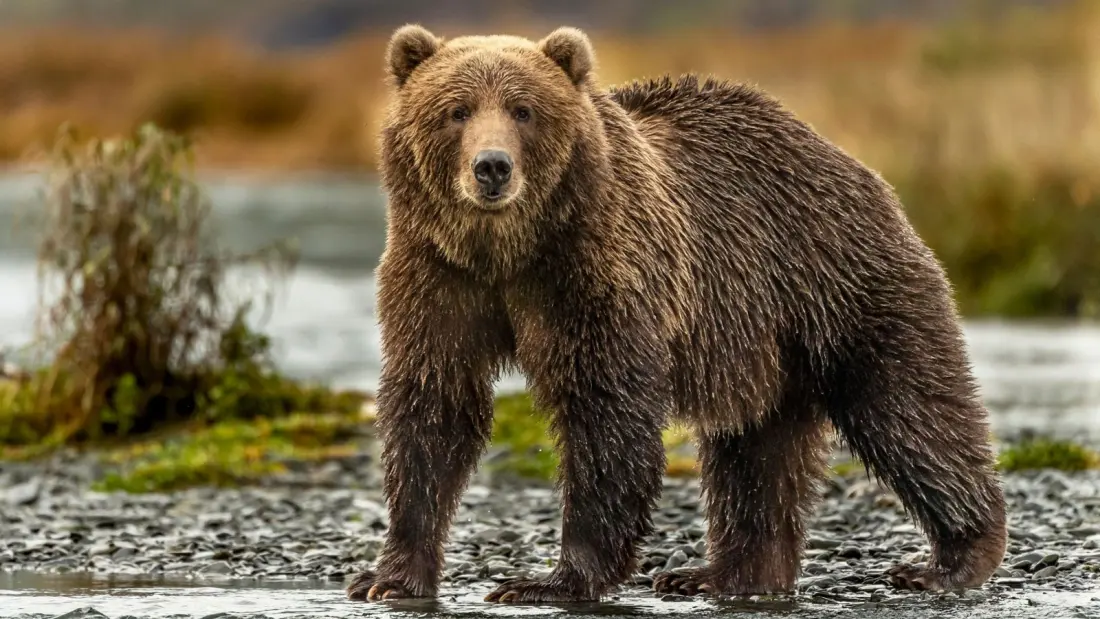
Kodiak bears are a brown bear subspecies found nowhere else on Earth. Isolated on the archipelago for about 12,000 years, they have grown big enough to rival polar bears as the largest land carnivores on the planet. Getting there takes commitment: a flight to the city of Kodiak, itself about an hour from Anchorage, then a floatplane to Camp Island. There are no roads, no shops and no shortcuts.
What makes the lodge different from other Alaska bear-viewing operations is who runs it. Owner Koniag, the Alaska Native corporation representing the Alutiiq people of Kodiak Island, staffs the lodge almost entirely with local Alaska Native employees, runs apprenticeship programs for youth, funds archaeological research with Kodiak's Alutiiq Museum, and powers the place with wind turbines and solar panels. Guides like Carl Christiansen Jr. name individual bears, track their habits season after season and read the water: when Karluk Lake runs low and salmon can't push up the rivers, the bears head for the coast or the berry slopes, and the itinerary follows.
Guests on a typical three or four-night stay get six guided outings, travelling by catamaran along Karluk Lake and hiking into viewing spots on the Thumb River. Writer Gwen Pratesi's recent visit saw bears on every outing after day two: a mother fishing with her cubs barely fifteen feet from the boat, sows feasting on berries on mountain ridges, and two recently independent young cubs playing on the beaches. The guides argue the bears recognise them and tolerate their presence, a calm that comes from millennia of coexistence. Alutiiq tradition treats the bears as kin tied to the spirit world, a relationship documented at least 7,800 years back, the earliest human settlement on Kodiak.
The stay comes with more than wildlife. Guests visit active archaeological digs around Karluk Lake, where the Alutiiq Museum team recently uncovered 1,500-year-old sod homes at a salmon-harvesting village that may have been occupied into October each year. Ancestral sites near the lodge include 3,000-year-old sod house remains.
For travellers, this is bear viewing at its most personal: small groups, deep local context and a genuinely remote setting. It suits visitors who have already done the popular Brooks Falls circuit and want something quieter, though first-timers will be equally rewarded if they accept the long travel days and the possibility that low water keeps the bears off the rivers. Just remember the guides' rule of thumb: you are a guest in the bears' home, and even the souvenirs stay where they belong.
Original reporting by Outside Travel.