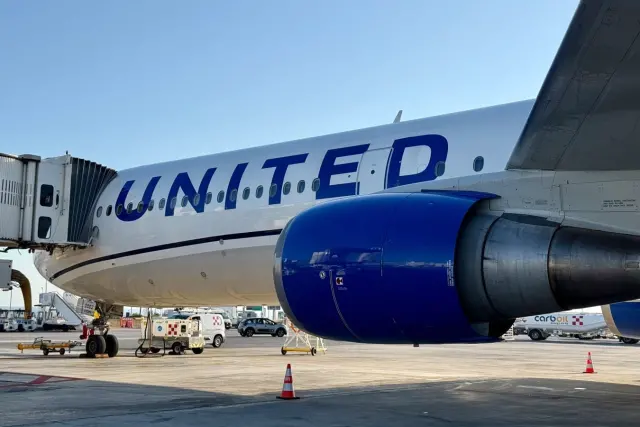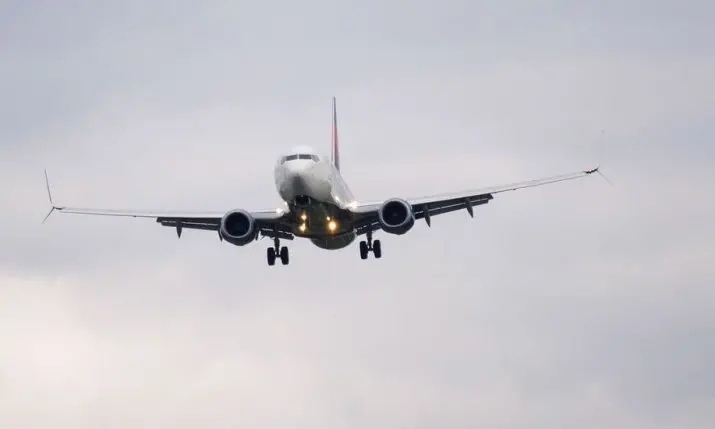
A holiday flight from Greece to the UK ended with an unplanned stop on Croatia's Dalmatian coast on Friday, when a Jet2 Boeing 737-800 diverted to Split with a technical problem. The aircraft, flying from the Greek island of Samos to Manchester, was carrying 165 passengers and six crew — 171 people in total — and everyone got down unharmed.
The crew broadcast transponder code 7700, the international squawk that tells air traffic control a plane is in a general emergency. Croatian Air Navigation Services alerted Split Airport, officially Saint Jerome Airport, at 14:20 that the jet was inbound. The airport triggered its full emergency procedure, putting its own teams and outside emergency services on standby.
The 737 touched down safely, and the airport stood its emergency response down at 14:42 — roughly 22 minutes after the first alert. Normal operations resumed afterwards, with no indication of prolonged disruption to other flights. The exact nature of the technical fault wasn't given in initial reports.
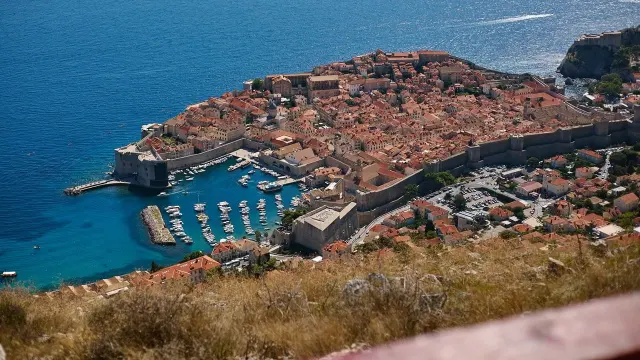
Timing mattered here. Late October is shoulder season on the Croatian coast, when the wave of summer flights linking Split to cities across Europe has largely thinned out. An emergency diversion outside peak season means fewer alternate aircraft and ground resources than in July or August — yet the coordinated response from controllers, airport staff and emergency crews handled it cleanly. Split is Croatia's key international gateway, and it proved it can absorb an incident even in the quieter months.
For travellers, the takeaway is reassuring rather than alarming. Emergency diversions like this are rare, and this one shows the system working: crew followed procedure, the airport was ready, and 171 people walked away fine. If you're flying a leisure route to or from Croatia in shoulder season, expect that a diversion or delay could mean a longer wait for a replacement aircraft than at the height of summer — travel insurance that covers delays is worth having.