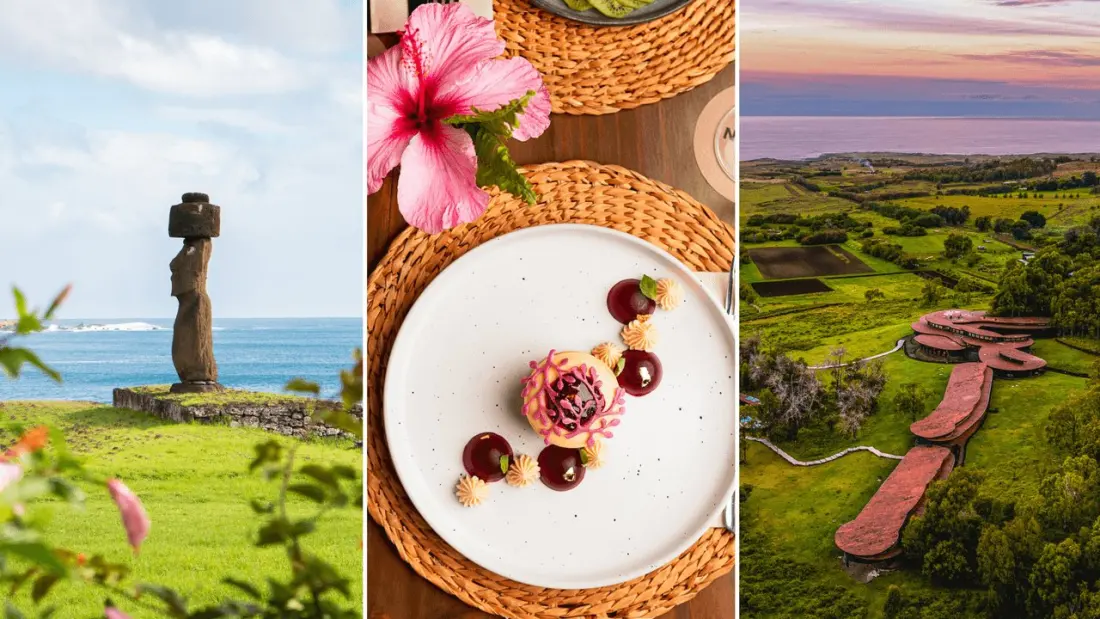
Rapa Nui, the Chilean territory better known as Easter Island, sits roughly 2,200 miles from the South American mainland and 1,292 miles from its nearest inhabited neighbour, Pitcairn. That isolation is exactly the point: the island guards one of archaeology's great puzzles — nearly 1,000 monolithic moai figures, carved, hauled to ceremonial platforms over centuries, and then deliberately toppled. Many statues have since been re-erected after decades of restoration, and the island now functions as an open-air archaeological site wrapped around a living Polynesian culture.
Visitors should know the rules have changed. Since the Ma'u Henua Indigenous Community took over management of Rapa Nui National Park in 2017, entrance fees have risen to about CH$95,000 (roughly $100 USD) to curb overtourism, and a certified guide is now required for all archaeological sites beyond the main town of Hanga Roa. Independent car or bike rental exploration has largely given way to organised day trips — everything sits within a half-hour drive of town.
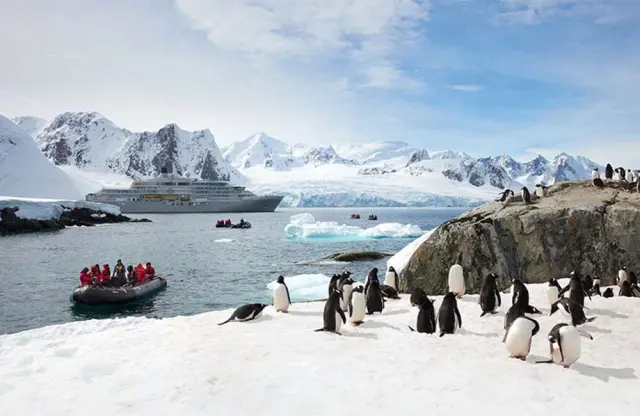
Getting there means flying LATAM from Santiago, a 5.5-hour hop into Mataveri International, the world's most remote commercial airport. A handful of luxury cruise ships, including National Geographic Resolution and Silversea's Silver Cloud, also call in each year.
Hanga Roa punches above its weight for food. Tuna arrives so fresh that ceviche, carpaccio and tiradito dominate menus — Te Moai Sunset does a painterly tiradito with pisco sours and sunset views over the Moai de la Paz. Te Moana serves mahi-mahi on roasted Rapa Nui sweet potatoes, La Kaleta does dockside ceviche while fishermen work the pier, and Kotaro is a cult-favourite tiny Japanese restaurant with a strict no-chitchat tasting menu. Save room for po'e, a dense banana sponge cake.
The headline sites are Rano Raraku, the volcanic quarry where about 95% of the island's statues were carved (some 400 still lie in place), and Ahu Tongariki, the largest platform, whose 15 moai are best seen silhouetted at sunrise. Orongo, a stone village on the rim of Rano Kau volcano, was the ceremonial heart of the Birdman competition — a 17th-to-19th-century endurance race to snatch a sooty tern egg from offshore islets. Those same islets are now prime snorkelling territory, with 142 endemic marine species including the rare Easter Island butterflyfish. Hikers can climb Terevaka, the island's highest point at 1,675 feet, or explore the petroglyph-studded Poike Peninsula.
Don't skip the living culture. Evening dance shows by Kari Kari and Te Ra'ai (the latter with a theatrical underground-oven umu feast) fill Hanga Roa nights, Mana Gallery sells serious local craft, and the flower-shaped Toki Rapa Nui music school occasionally hosts concerts. Lodging ranges from all-inclusive Explora Rapa Nui and the oceanfront Nayara Hangaroa to the budget-friendlier Hare Nua Hotel Boutique and Pikera Uri Eco Lodge. Expect prices noticeably above mainland Chile — remoteness isn't cheap — but for travellers chasing mystery, water clarity and a culture very much alive, few places deliver like this one.
Story first reported by Condé Nast Traveler.