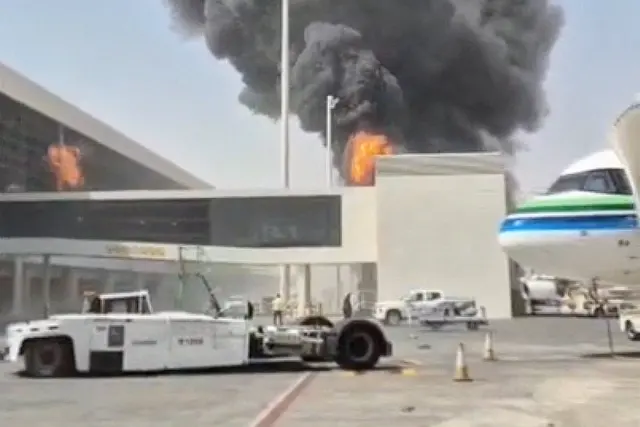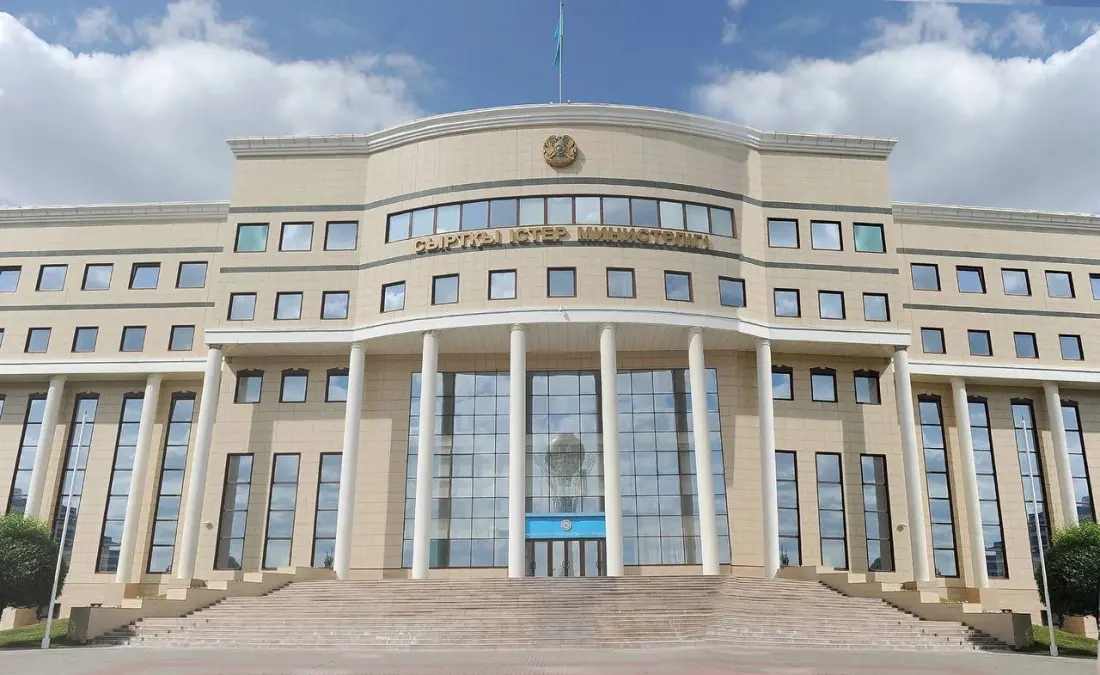
Kazakhstan's Ministry of Foreign Affairs has told its citizens in Saudi Arabia to step up their personal security following attacks on the kingdom's civilian infrastructure that left casualties. The advisory, announced by ministry spokesperson Zhanbolat Ussenov, comes as Astana formally condemned strikes attributed to Houthi militants, calling them a breach of international law and humanitarian principles.
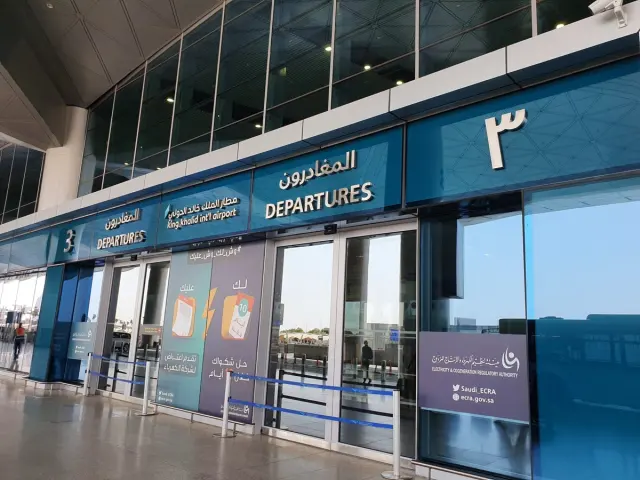
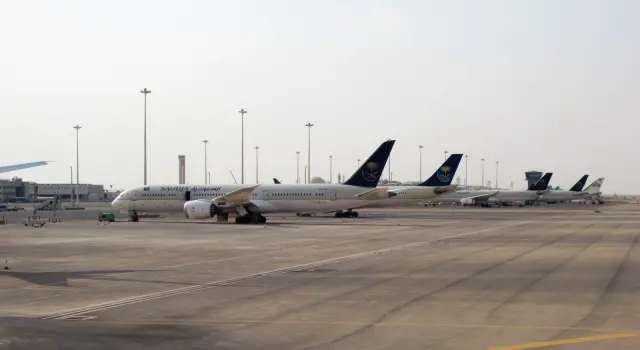
The practical guidance is worth noting for anyone with trips in the region. Kazakh nationals are being told to follow instructions from local authorities, stay away from airports unless travel is strictly necessary, and confirm flight status directly with airlines before heading to a terminal. The ministry also recommends steering clear of crowded places and high-risk facilities, and postponing non-essential journeys where possible. Citizens with emergencies have been pointed to Kazakhstan's Embassy in Riyadh and its Consulate General in Jeddah, both reachable via dedicated emergency numbers.
Diplomatically, the ministry has gone further than a routine safety notice. It urged an immediate halt to the attacks, called for the crisis to be resolved purely through political and diplomatic channels, and voiced solidarity with Saudi Arabia, reaffirming its right to defend its sovereignty and security under the United Nations Charter. Travellers are advised to monitor official updates from both the Kazakh Foreign Ministry and Saudi authorities as the situation develops.
For holiday planners, the takeaway is straightforward: even travellers with no connection to Kazakhstan should treat this as a signal to check current conditions before flying to Saudi Arabia. When a state issues formal advice to avoid airports and crowds, it usually reflects a real deterioration in local security, and airports are often the places most affected when tensions spike. If you hold bookings to Riyadh, Jeddah or elsewhere in the kingdom, check your airline's alerts, review your government's own travel advisories, and confirm whether your insurance still covers the destination. Overflight disruptions can also ripple across the region, so it is worth double-checking connecting routings through the Gulf if you are heading further afield. Situations like this can shift quickly in either direction, so keep an eye on official sources rather than relying on older guidance.