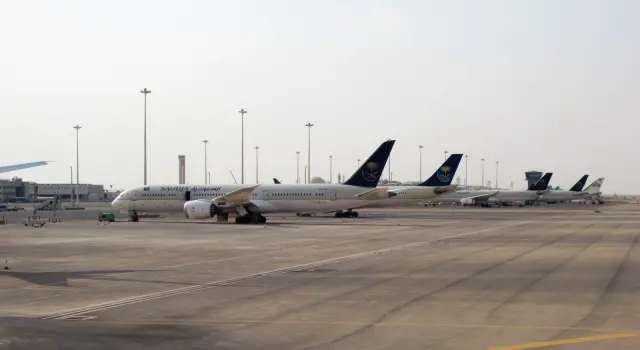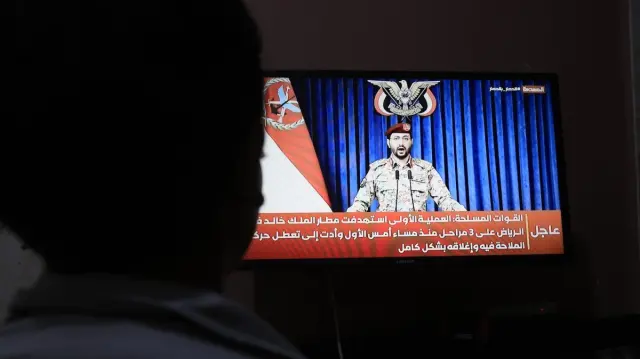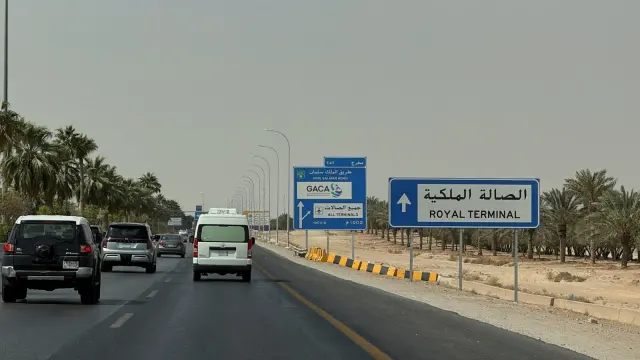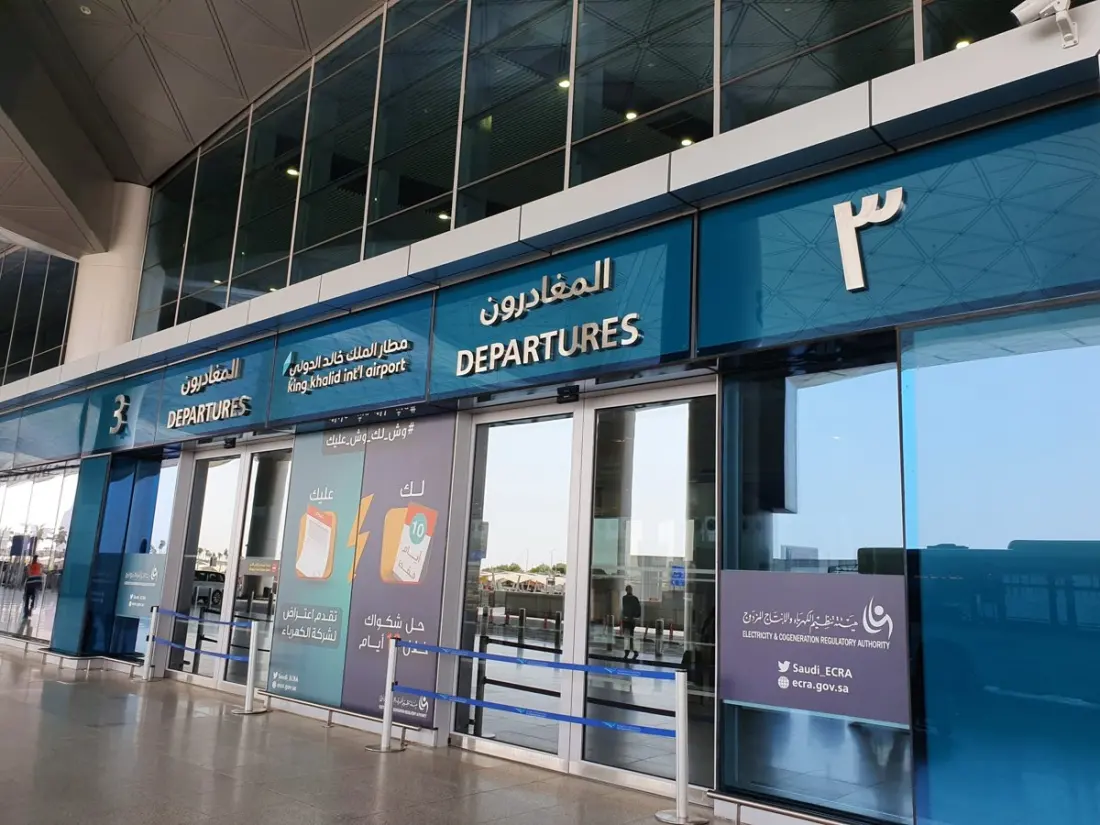
King Khalid International Airport in Riyadh has been hit by four projectile attacks in five days, and the fallout is already reshaping travel plans to Saudi Arabia. The most recent strike, on Sunday 11 October 2026, killed one Pakistani national and injured 11 others, with damage reported at terminals 3 and 4. Iran-backed Houthi rebels in Yemen have claimed all four attacks.
The deadliest incident came the day before, on Saturday 10 October, when a strike killed 12 people and injured more than 300 — some critically — according to Saudi Arabia's General Authority of Civil Aviation. Among the dead were four Saudi nationals along with citizens of Bangladesh, the United States, Egypt, Jordan, Syria, Palestine and Sudan, underscoring how international the airport's foot traffic is. Video footage released by Saudi authorities showed travellers ducking for cover as flames and smoke spread through the terminal. Saudi civil aviation authorities described the latest attack as "heinous", and safety inspections and damage assessments are ongoing.
The consequences for travellers are immediate. Operations at the airport have been suspended with no confirmed reopening date. The Houthis have warned airlines and passengers to avoid Saudi airports, and the US Federal Aviation Administration has cautioned American carriers about flying to or over Saudi Arabia. Several governments, including the UK Foreign Office, are advising their citizens against travelling to the country following the 10 October attack. Umrah pilgrims were among those caught up in the strikes, a reminder of how many religious travellers pass through Riyadh.
Politically, the stakes are rising. Saudi Arabia's energy minister Prince Abdulaziz bin Salman promised a response that would be "equally serious", while UAE presidential adviser Anwar Gargash called for joint Gulf action on security. Analysts are also warning of wider ripple effects: Sky News Middle East correspondent Adam Parsons has suggested the Houthis could move to control their side of the Bab el Mandeb strait, a key shipping chokepoint, potentially pushing global oil prices higher — which would eventually feed through to airfares everywhere.
For anyone with trips booked to or through Saudi Arabia, the practical advice is straightforward: check your foreign office's current travel guidance before going anywhere near your booking, contact your airline about suspensions and rerouting, and consider travel insurance that covers cancellation due to government advisories. Riyadh's airport is a major hub, so connecting itineraries through the Gulf may also be disrupted. This story is developing, and the airport's reopening timeline remains unclear.