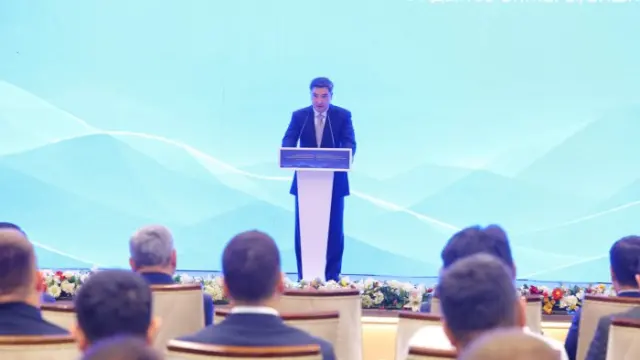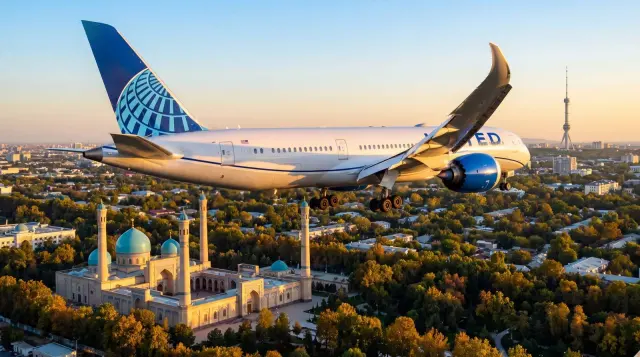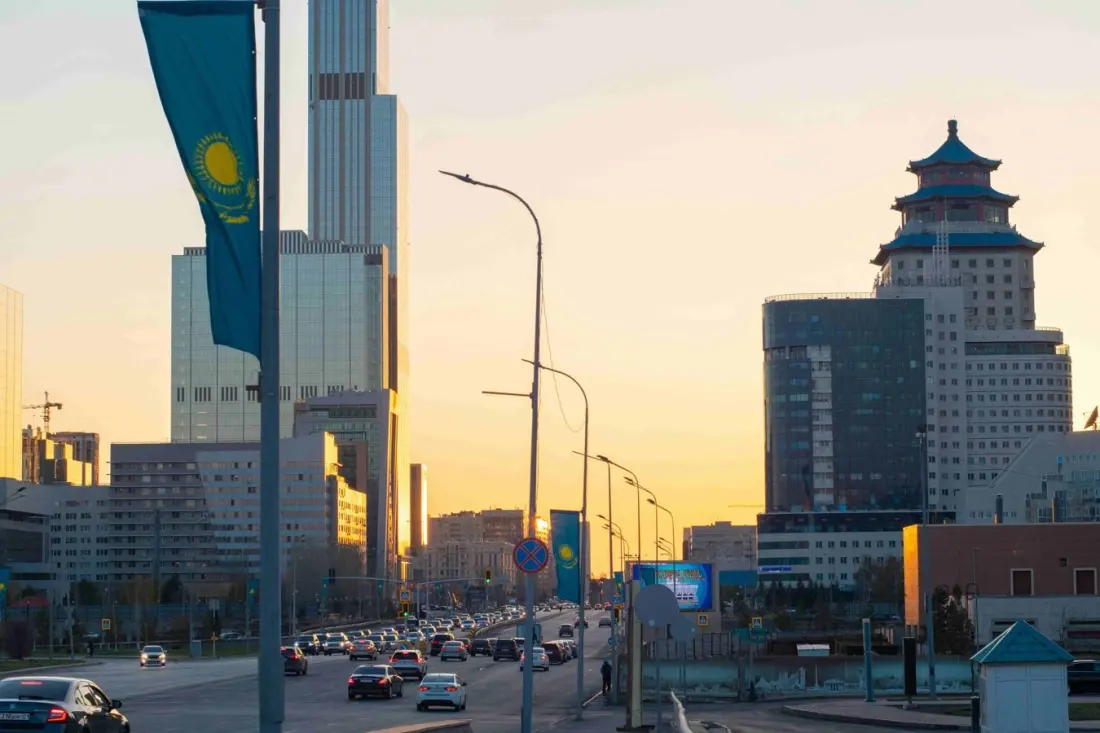
Kazakhstan has put transport at the heart of its biggest infrastructure programme in the country's history. In his State of the Nation Address on 28 October, President Kassym-Jomart Tokayev announced that construction of a new airport for the capital, Astana, will begin in 2027, built with a leading international partner who has not yet been named. Around 6.5 trillion tenge from the National Fund is earmarked for the wider programme by the end of 2029.
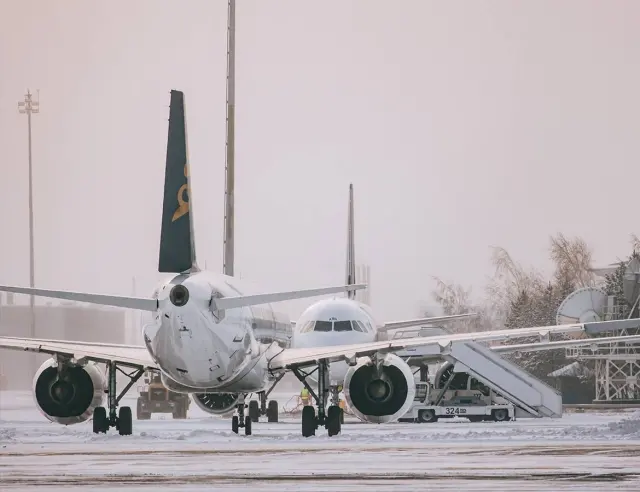
Aviation was the headline item, but not the only one. Tokayev confirmed the restoration of Arkalyk Airport is complete, with airports at Zaysan, Katon-Karagay and Kenderli set to open soon — projects that matter because much of Kazakhstan's most interesting terrain, from the Altai mountains near Katon-Karagay to the eastern borderlands, sits a long way from the Almaty-Astana axis. The president also demanded higher standards on national and local roads, better roadside services and completion of reconstruction at road border crossings in 2027.
Rail got attention too, though mostly for freight. The Bakhty-Ayagoz line should be operational in 2027, adding 20 million tonnes of capacity on routes to China, while construction has started on the Aral-Caspian corridor. Talks during the Belgian royal state visit in mid-October also focused on the Middle Corridor — the Trans-Caspian route — and cooperation between Antwerp-Bruges and Kazakhstan's Caspian ports of Aktau and Kuryk.
Why should travellers care? Because the visitor economy is already growing fast: Kazakhstan logged 15.7 million foreign visits in 2025, tourism investment passed 1.3 trillion tenge (roughly €2.4 billion), and the country now has 4,482 accommodation establishments with over 232,000 beds. Tourism plans lean on ecotourism, gastronomy, equestrian routes, self-drive trips and business events — all segments that live or die on road quality, regional flight access and reliable power and water. The address didn't carve out a separate tourism budget, so the real test is whether these projects actually shorten journeys and open up remote destinations.
There are also investor-friendly signals that could eventually shape the hospitality scene: a proposed Investment Court in Alatau based on English common law, a possible three-year moratorium on inspections of small businesses from January 2027, and a goal of a sustained electricity surplus by 2029. None of it is guaranteed until legislation lands, but the direction is clear — 2027 has even been proposed as the Year of Nationwide Large-Scale Construction.
For now, this is a watch-this-space story. If you've been eyeing Kazakhstan's steppe, mountains and Silk Road cities before the crowds arrive, the next few years should make getting around noticeably easier.