A new Airbnb policy landing on 20 November 2026 will stop hosts from requiring guests to strip beds, run laundry, wash and put away dishes, or take out the rubbish before checkout. Collecting towels, putting dishes in the sink and sorting rubbish into indoor bins remain fair asks. The change follows one of those recurring internet blow-ups over exactly how much domestic labour a paying guest owes — and it lands at a moment when the whole short-term rental model is being rethought, both by travellers and by tax authorities.
The Cuenca High Life column behind this story frames it with a personal anecdote: a lovely apartment behind the university in Cuenca, Ecuador, rented for $20 a day including utilities during the pandemic slump — about $600 a month. Two years later the same place was listed at $900 a month on a lease. A 50% jump, but a reminder that our opinions about Airbnb value often rest on a bargain found somewhere, once, when circumstances were unusual.
The author's take on the chore debate is refreshingly even-handed. Running a dishwasher before leaving seems like basic courtesy, especially when the cycle takes two hours and the cleaner is waiting. But a business can't depend on a guest juggling a checkout checklist at 6am while hunting for a passport — and a favour turns sour when it's mandatory and comes with the threat of a review black mark. Cleaning fees get similar scrutiny: a single turnover charge is reasonable, but a daily cleaning fee when nobody actually cleans looks like the rental price wearing a different hat.
Utilities are the other flashpoint. A British flat where the landlord insists on a 70-degree heating cap, a Florida condo where air conditioning must run continuously to control humidity, and a mild Andean apartment have wildly different running costs. Airbnb's guidance says hosts can ask guests to switch off AC on departure but shouldn't advertise an amenity then discourage its use.
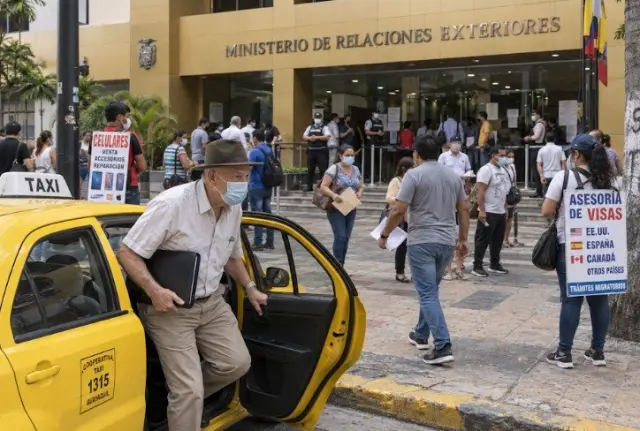
For hosts in Ecuador, the bigger story is formalisation. Residential tourist accommodation has been regulated since 2023, and in May 2026 Ecuador's tax authority (SRI) notified 9,000 providers on platforms including Airbnb and Booking to regularise their tax affairs. Registered establishments can offer qualifying foreign tourists accommodation at zero per cent IVA — but foreign residents and visa holders don't automatically qualify; residency is what counts. And hotels can list on Airbnb too, so the platform tells you little about what kind of business you're actually booking.
The practical upshot for travellers: compare final prices, not headline rates. Cleaning fees, platform charges, taxes and separately billed utilities all belong in the maths, alongside what cooking your own meals saves. For a one-night stay, a hotel with reception and breakfast often wins; for a fortnight, a kitchen and washing machine can make an apartment the better deal. And note that Airbnb's terms now require repeat bookings and extensions to stay on the platform — going direct with a host you like means giving up booking protections.
The author's closing gripe is hard to argue with: a company named "Air Bed and Breakfast" now typically supplies neither air mattress nor breakfast, yet nobody's complaining about the vanished bacon and eggs — just about who loads the dishwasher.
Story via Cuenca High Life.