Kazakhstan rolled into 2026 with a fresh five-year waste plan, and the numbers behind it explain why. In 2025 the country collected 4.1 million tonnes of household waste, up 7.7% on the previous year. The government's new Waste Management Concept for 2026–2030 aims to cut landfill disposal by 10% from 2025 levels by the end of the decade, push up recycling rates and track where waste actually ends up.
The interesting part is where the blame lands — and it isn't on residents. Writing in The Astana Times, Nazarbayev University public policy graduate Samat Tulepbayev argues that Kazakhs are willing to recycle; the system just makes it unnecessarily hard. His own routine in the capital is telling: he separates plastic, paper and cans at home, then has to personally haul them to private collection points. Fine for the motivated few, hopeless for anyone juggling a commute and school runs.
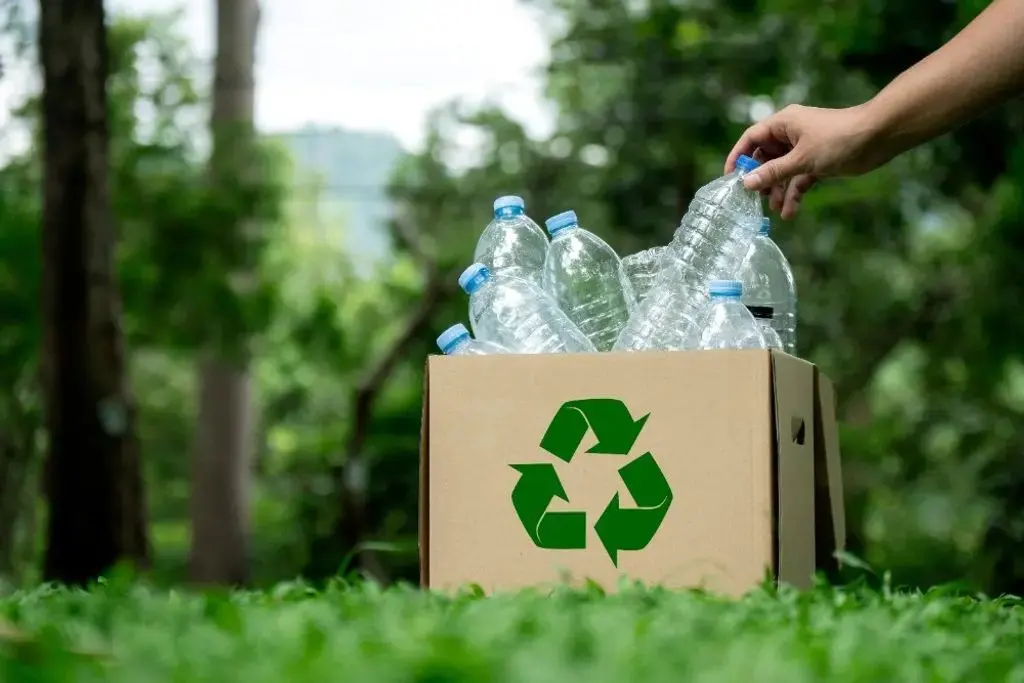
Astana isn't starting cold. The city already runs a two-stream system splitting "dry" recyclables (paper, plastic, glass, metal) from "wet" food waste, with thousands of containers across the city. Nationally, 1.5 million tonnes of municipal waste was sorted in 2025, a 16.3% jump on 2024, with Astana contributing 377,000 tonnes. But sorting figures flatter the reality: if separated waste gets mixed back together in transit, or arrives at a facility that can't process it, that carefully rinsed bottle goes to landfill anyway.
Tulepbayev's fix is threefold. Make it convenient — consistent container colours and clear instructions everywhere, plus collection that keeps streams separate. Make it rewarding — deposit-return schemes for bottles and cans, discounts, visible value for recyclables. And make it accountable — municipalities publishing straightforward data on what's collected, what's actually recycled and what's landfilled, with digital tracking (already a priority in the new strategy) adding transparency. Kazakhstan's Environmental Code already obliges local authorities to organise separate collection; the gap is turning that legal principle into a daily habit people trust.
The broader takeaway travels well beyond the steppe: awareness campaigns only work when infrastructure makes the responsible choice the lazy choice. You shouldn't need to be an environmental enthusiast to recycle a cardboard box.
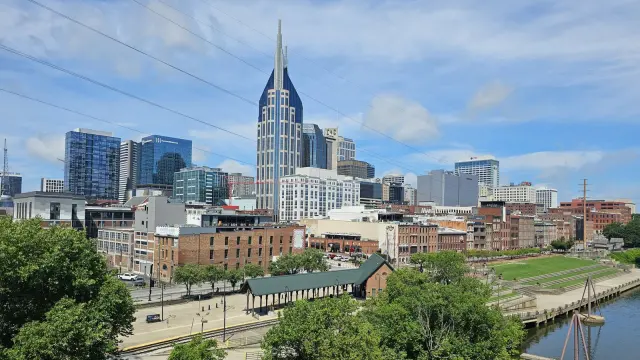
For visitors, it's a glimpse of a capital in transition. Astana — with its futuristic skyline, the Khan Shatyr tent and the striking Nur Astana Mosque — is a young city still building basic urban systems, and seeing its recycling quirks up close is part of understanding a country changing fast. Eco-minded travellers should also know their efforts count: use the marked two-stream bins where you find them, and expect facilities to vary block by block.
Original source: The Astana Times