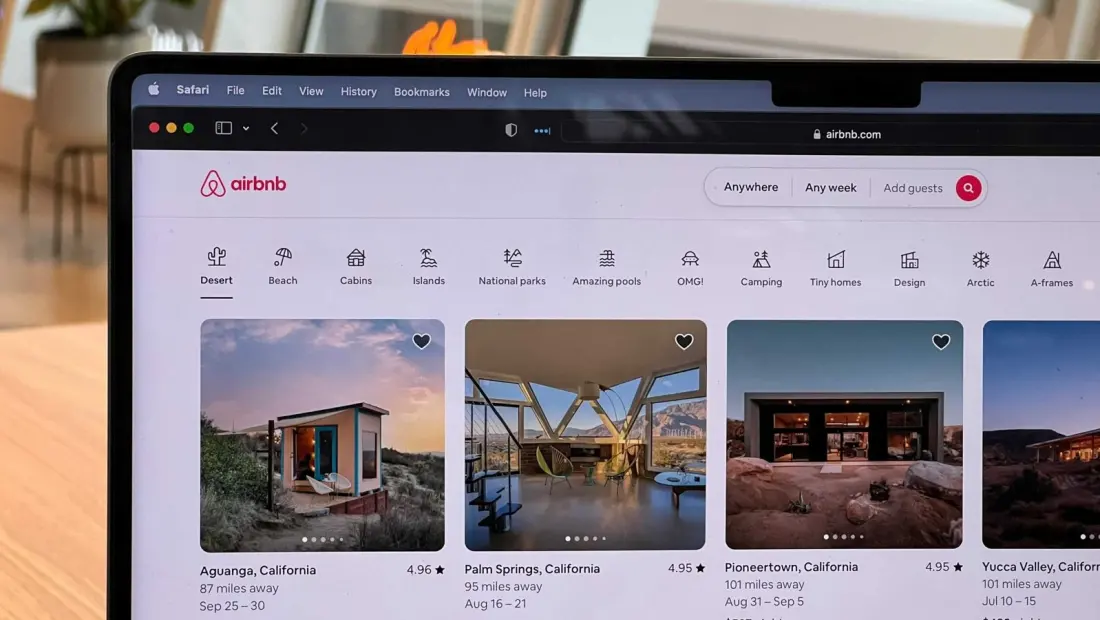
If you've ever spent the last hour of a holiday washing dishes, stripping beds and lugging recycling down the street, Airbnb has some good news. The platform has rewritten its community policy so that guests can no longer be required to do check-out chores that involve significant effort — the kind of work that would normally fall to a cleaner. Explicitly off the list: stripping the bed, taking rubbish offsite, and washing and putting away dishes.
Hosts can't fine guests for skipping these tasks, and Airbnb says it will push back on any obligations that clash with the spirit of the policy. Cleaning fees, meanwhile, can only be charged for a standard tidy-up between bookings. There's wiggle room for genuine cases — a remote property in bear country might reasonably require guests to deal with their own rubbish — and hosts can appeal on those grounds.
The other big change is transparency. House rules must now be clearly shown on the listing page, in the trips tab and in reservation reminders, rather than surfacing as a nasty surprise after you've booked. They're capped at seven standard conditions covering check-in and check-out times, quiet hours, guest and pet numbers, smoking, and commercial photography or filming. An Airbnb spokesperson said rules had been 'confusing, onerous, and hard to manage', and the redesign is meant to end the guesswork.
For travellers, this matters most if you have mobility issues, small children in tow, or a train to catch. Nobody wants to start the journey home with a chore rota, and the new rules formally recognise that a cleaning fee should cover exactly that: cleaning.
Not everyone is thrilled. One UK host who has occasionally let her family home for nearly two decades told Travel Tomorrow she hadn't even been notified of the change. Her house guide asks guests to strip beds, leave used linen in the bath and leave the home as they found it — expectations she considers fair in someone's actual home, not a hotel. She's had no complaints and consistently glowing reviews for the relaxed, trusting atmosphere. Her experience points to the tension at the heart of the update: the 'live like a local' charm of Airbnb has always come with a bit of mutual effort.
Still, the direction of travel is clear. Founded in 2008 as the scrappy disruptor of traditional hospitality, Airbnb keeps moving towards a hotel-style experience — standardised expectations, transparent fees, fewer surprises. It's happening against a backdrop of tightening regulation too, with local authorities and the EU reviewing how short-term lets are governed to protect housing markets and the hotel sector. Expect the lines between apartment rental and hotel stay to keep blurring.