Kazakhstan rarely tops travel reading lists for its energy policy, but a quiet transformation is under way across the steppe — and it is starting to shape what travellers see on the ground. According to the Bureau of National Statistics, the country's electricity generation from renewable sources, excluding large hydropower plants, grew more than 16-fold in ten years, hitting 8.7 billion kilowatt-hours in 2025.
The numbers tell a striking story. Back in 2015, wind, solar and smaller hydro projects contributed a mere 536.5 million kilowatt-hours, or just 0.6% of the national total. By the end of 2025, that figure had climbed to 7% of all electricity generated. Factor in the country's big hydropower stations and renewables now account for 14.5% of total generation, up from 10.4% a decade ago, with combined output rising from 9.5 billion to 17.9 billion kilowatt-hours between 2015 and 2025.
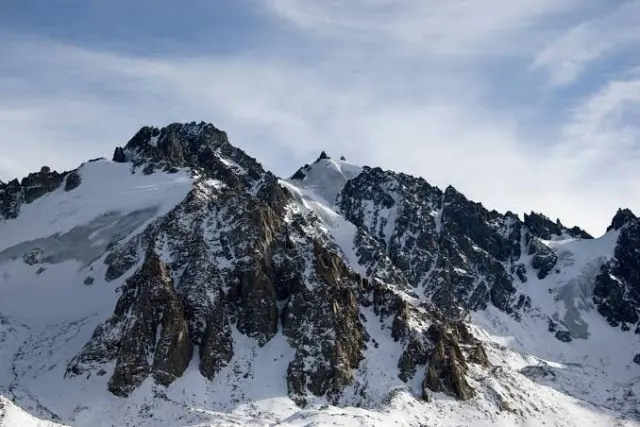
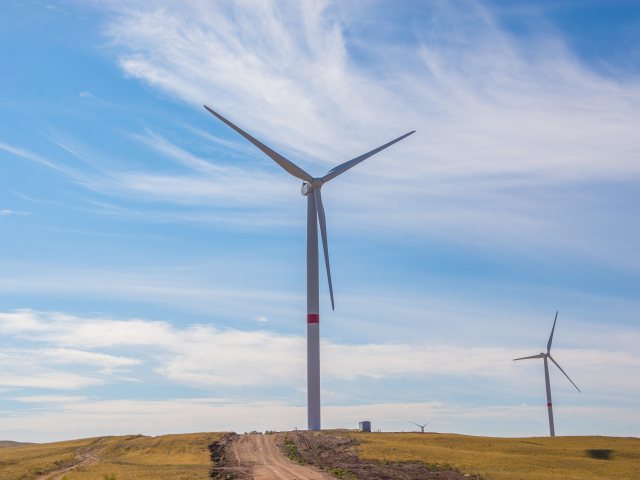
Why should a visitor care? Kazakhstan is enormous — the ninth-largest country on earth — and much of it is wide-open steppe and desert, ideal terrain for the wind and solar farms driving this boom. Travellers crossing from Almaty toward the Tian Shan foothills or driving the long highways between Astana and the Caspian are increasingly likely to pass ranks of turbines and mirrored solar arrays where empty grassland used to stretch unbroken. For anyone interested in how a former Soviet, oil-and-coal-dependent economy is retooling itself, the shift is visible and happening fast.
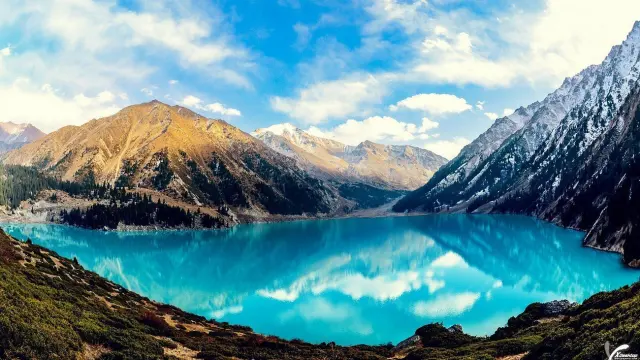
It also has practical knock-ons. A cleaner grid means the eco-lodges, guesthouses and adventure tourism operations springing up around places like the Charyn Canyon, Big Almaty Lake and the Kolsai Lakes can market themselves with a bit more credibility, and electric vehicle charging — still rare — has a clearer path to expansion as the energy mix diversifies.
Kazakhstan remains a genuinely off-the-beaten-track destination: a blend of futuristic capital architecture in Astana, Silk Road relics at Turkistan, dramatic canyons and high-mountain lakes, all at prices well below those in Western Europe. With the country investing heavily in its image as an emerging destination, the greening of its power supply is one more reason to consider it before the crowds arrive.
Story reported by The Astana Times.