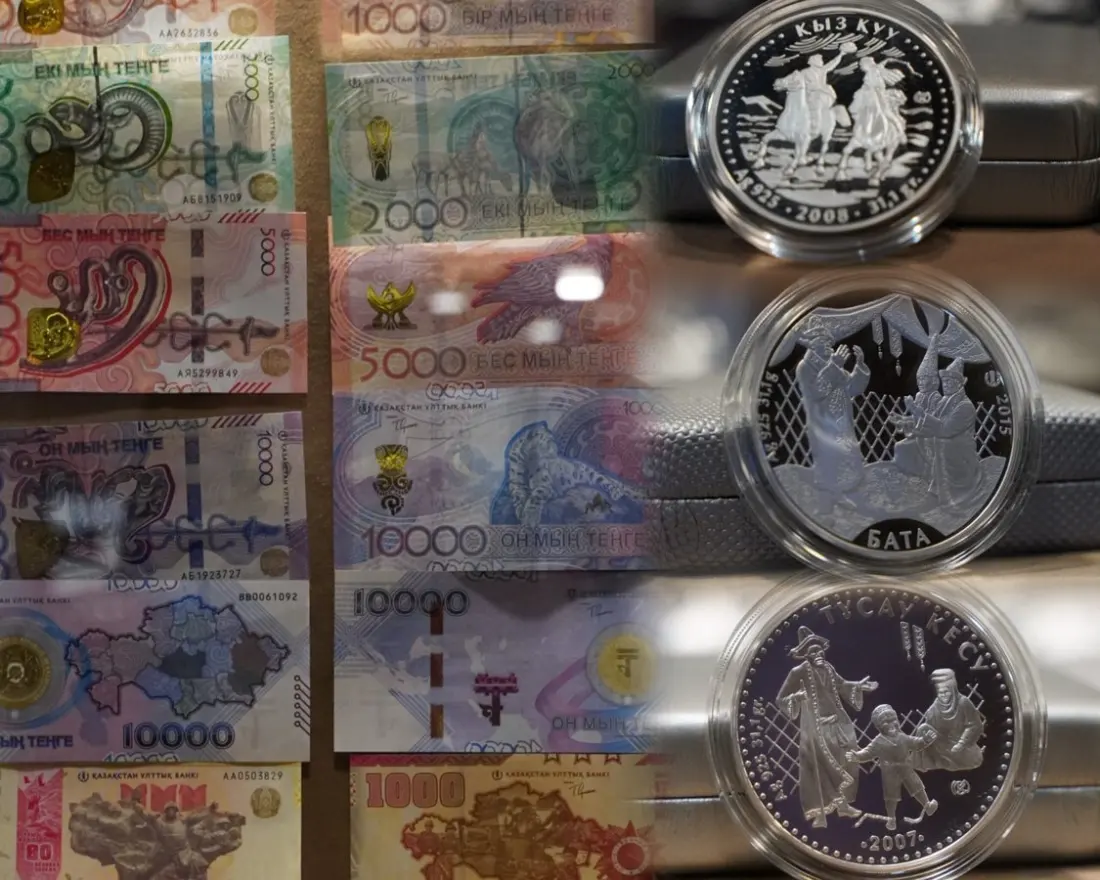
Kazakhstan has just marked 33 years of the tenge, the national currency introduced on 15 November 1993, shortly after the country gained independence and its central bank was restructured. For travellers, it's worth knowing where the money in your wallet — and increasingly your phone — comes from.
The banknotes themselves are a piece of design history. A team of Kazakh artists, including Timur Suleimenov and Agimsaly Duzelkhanov, researched medieval monetary traditions before settling on the name 'tenge', an old Kazakh word for money proposed by academician Sauyk Takazhanov. Early notes carried portraits of national figures on one side and recognisable scenery on the other — Burabai, Lake Balkhash and the Ile Alatau mountains all made appearances.
Kazakhstan didn't stop at printing notes abroad. A dedicated banknote factory opened in 1995 and churned out over 83 million notes in its first year, edging past 104 million the following year. Five main design series have circulated since, themed around Portraits, Al-Farabi, the Baiterek monument, Qazaq Eli and Saka Style. Collectors have plenty to chase too: limited commemorative notes have marked the country's OSCE chairmanship, the 2011 Asian Winter Games and the anniversary of Victory in WWII, among others. These special issues also serve as testing grounds for new anti-counterfeit tech before it reaches everyday cash.
And the tech is genuinely cutting-edge. Kazakhstan's central bank was the first in the world to use Rapid Vision micro-optical security threads with a dynamic motion effect, and the Saka Style series features RollingStar diffraction patches that produce 3D visual effects. The 20,000-tenge note from 2022 packs in 25 separate security features — handy to know if a street money-changer ever hands you something suspicious.
The bigger story, though, is what comes next. Kazakhstan formally gave its digital tenge legal status in January 2026 and launched it in July. Around 340 billion digital tenge (roughly US$753 million) have already been issued, mostly to track government spending — each payment carries a unique identifier so officials can follow budget money through long chains of contractors. International payments are permitted under the framework, pending agreements with other countries' digital currency systems.
For visitors, the practical takeaway is that Kazakhstan is rapidly becoming a cashless-friendly destination. Cards and digital payments are well established in cities, and the tenge's infrastructure — from contactless payments to the new digital currency — is among the more advanced in Central Asia. Cash still works fine, especially at bazaars and in rural areas, but don't expect the small tiyn subdivision to reappear: inflation retired that coin long ago. If you're heading to Astana or Almaty, a glance at the notes themselves is worth a moment — the Baiterek tower and Qazaq Eli monument on them are both landmarks you can visit in person in the capital.