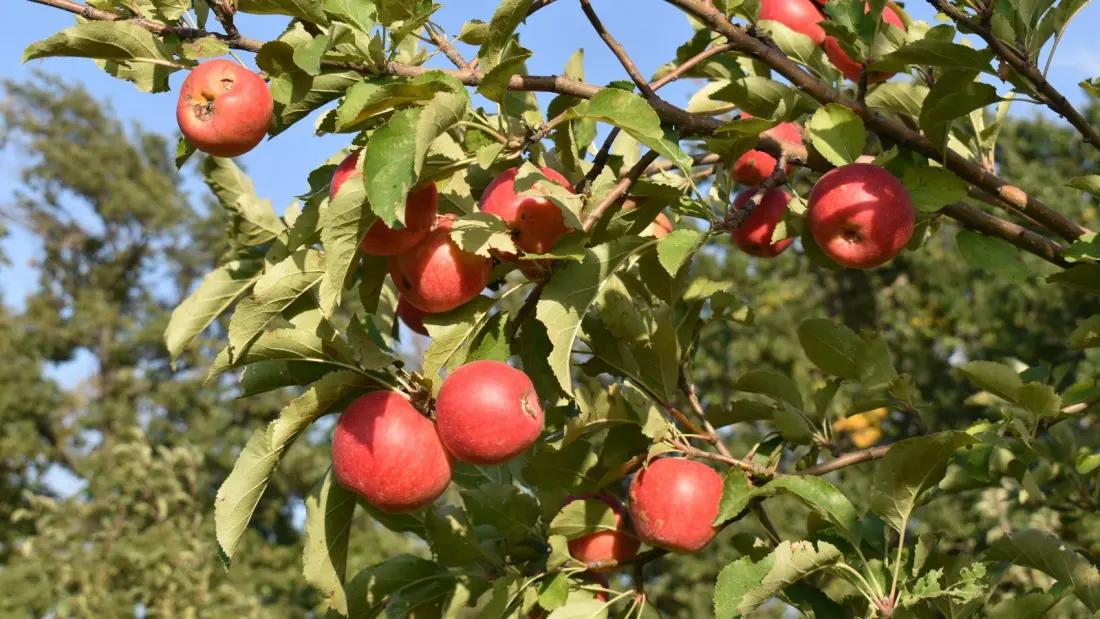
Almaty literally translates to 'apple city' — and the fruit still grows wild on the foothills of the Tian Shan nearby. But Kazakhstan's apple industry is having a rough patch, and the story of how it's fighting back says a lot about the region's food culture.
The numbers tell the tale. Kazakhstan produced 205,200 tonnes of apples in 2025, enough to cover only about 74% of domestic demand, and imported another 94,400 tonnes — largely from Poland, China and Iran. Production has grown 43% since 2014 thanks to state support, but harvests swing year to year, and the global picture isn't helping: world apple output is projected to fall 5% in the 2025/26 season to 81.7 million tons, with China still growing over half the world's supply.
The government's response is aggressive. From September 3 to December 31, 2026, apple imports are banned outright to protect local growers during harvest season. On top of that, the state reimburses up to 30% of farm machinery costs, 80% of irrigation systems and 40% of new intensive orchards. The Almaty region, with 9,900 hectares of orchards, remains the heart of it all — one local producer there manages 45–50 tons per hectare, far above the national average.
The most interesting chapter is the Aport revival. This huge, fragrant apple made Almaty famous across the Soviet Union, but it's stubborn: it only thrives on high foothill slopes, much of which has since been built over, and the trees take years to fruit. A 2024–2028 programme backed by President Tokayev has planted the first 10 hectares of a new Aport orchard near the city, expanding to 110 hectares, with the first harvest expected in seven to eight years. Producers see it as a premium niche rather than a bulk crop, and a memorandum signed at Berlin's Grüne Woche fair hints at exports to come.
Why should a traveller care? Because apple heritage is woven into Almaty itself — from its name to the wild Malus sieversii trees still growing in the hills above the city, the genetic ancestors of nearly every apple you've ever eaten. The region's markets, foothill villages and orchards offer a genuinely unusual food-travel angle, and catching the autumn harvest season puts you right in the middle of a national effort to reclaim a lost icon. If the Aport does return to shelves in volume, being able to say you tried it at the source — years before it goes global — is exactly the kind of bragging right food travellers love.