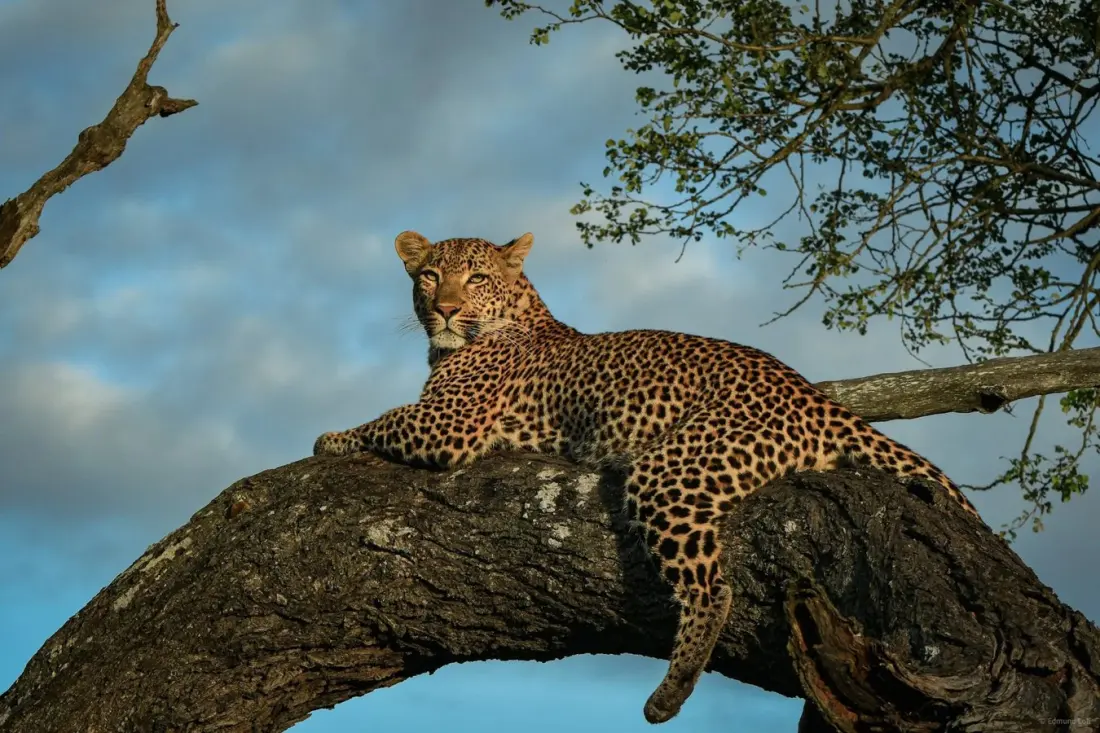
A leopard attack at one of the Netherlands' best-known safari parks has claimed the life of a veteran zookeeper, prompting an independent investigation and an outpouring of grief from staff and visitors.
The keeper, who had worked at Beekse Bergen Safari Park in the southern Netherlands since starting there at age 17, was attacked while caring for two Persian leopards inside an indoor enclosure on a Saturday. The animals had been moved indoors because of poor weather. She suffered severe injuries to her head and neck and, despite managing to raise the alarm on her walkie-talkie, was airlifted to hospital in critical condition. Emergency surgery could not save her, and the park confirmed her death on the Tuesday after the attack.
Details of what went wrong inside the enclosure remain scarce, largely because the area has no CCTV coverage. An independent investigation is set to examine the circumstances.
Park management has been quick to make clear that the leopards will not be put down. A spokesperson told local broadcaster Omroep Brabant that the animals were behaving naturally, adding bluntly: they are, and remain, predators. The park says its focus now is on supporting the keeper's family, friends and colleagues, and it plans to open a memorial area where staff and visitors can leave condolence messages.
For travellers, the story is a sobering counterpoint to the safaris-and-wildlife-parks boom. Beekse Bergen is a major family attraction where visitors drive or walk through animal habitats, and incidents like this are extremely rare precisely because of strict separation between the public and the animals. But the people who work hands-on with big cats face risk every day, even after decades of experience. The takeaway for visitors is not alarm but respect: these parks' safety rules exist for good reason, and the animals you see up close are wild predators, however calm they appear.
The tragedy also raises practical questions for wildlife parks everywhere, from enclosure design and camera coverage to protocols when animals are moved indoors during bad weather. Whatever the Dutch investigation finds is likely to be studied well beyond the Netherlands.