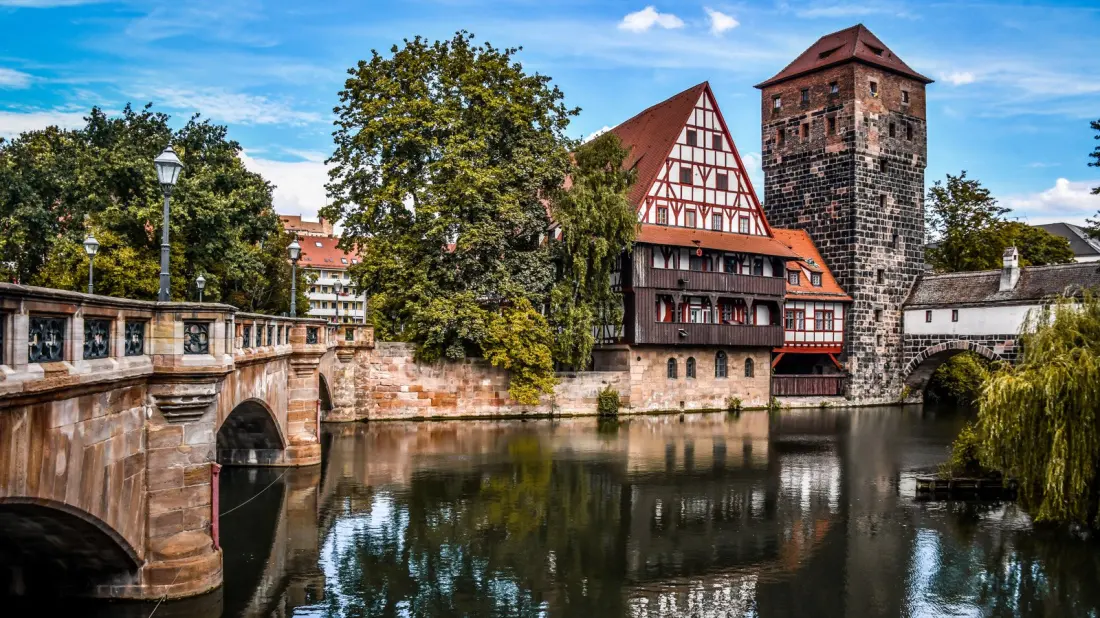
Germany is easy to love on paper: 55 UNESCO World Heritage sites, everything from Alpine villages to cutting-edge cities, and a rail network that gets you between them. But first-time visitors often get caught out — not by big cultural barriers, but by small unspoken rules of daily life. A recent Islands guide rounds up the ones most likely to trip up short-term travellers.
The biggest adjustment is communication. Germans tend to be direct, so feedback that sounds blunt to visitors is usually just honesty, not rudeness. Sarcasm, meanwhile, can land badly — even the writer's Munich friend took ironic remarks literally and once thought he was being insulted. Humour exists and leans heavily on irony, but many jokes rely on language and cultural context that newcomers miss.
Personal space matters too. Handshakes are standard when meeting someone; hugs are often a step too far, and strangers generally won't strike up small talk — they're not unfriendly, just happy to mind their own business. Related quirk: ask "Wie geht's?" (how are you?) and you may get a genuine, detailed answer rather than a breezy "fine." As Guardian writer Carolin Würfel puts it, superficial answers are viewed as dishonest — so only ask if you have time to listen.
On public transport, keep your voice down, skip the smelly takeaway, and — crucially — buy a valid ticket before boarding. There are no turnstiles, and plain-clothes inspectors do check: get caught and you'll pay an increased fare of up to €60. Long-distance train tickets are cheapest when booked early.
In shops, greet when you enter and say goodbye when you leave. "Hallo" works almost everywhere, though regional options abound: "Grüß Gott" in Bavaria, "Moin" in the north (usable all day), "Morgen" in the morning, and "Tschüss" or "Auf Wiedersehen" on the way out. Over 40% of Germans speak English, so you won't be stranded — but a few words go a long way.
A few more to know: smoking is still permitted in some bars, especially in bohemian Berlin, though state rules generally require a separate smoking room — smoke-sensitive drinkers can seek out non-smoking spots like Muted Horn, Protokoll, or Mikkeller. At the beer garden, say "Prost!" and make eye contact with everyone as glasses clink — legend threatens seven years of bad luck (of a certain kind) if you don't. And in the former East Germany, watch for the beloved Ampelmännchen, the little hat-wearing traffic light man who tells you when it's safe to cross.
None of this is complicated — it's mostly about being considerate and straightforward. Master the greetings, keep a valid ticket in your pocket, and clink glasses with confidence, and you'll blend in just fine whether you're in Berlin, Cologne, or the Alps.