A day of mass youth demonstrations in Germany ended in disorder on Saturday, with rioting, looting and clashes with police reported in several major cities — including destinations many international visitors pass through, such as Frankfurt, Cologne, Berlin and Hamburg.
The protests were organised under the banner "Gen Z regelt" (Gen Z Takes Charge), which had called for rallies in more than 30 German cities. Tens of thousands turned out — organisers claimed more than 100,000 nationwide, including in smaller cities like Erfurt, Münster, Nuremberg and Karlsruhe — to demand better schools, relief from rising living costs and greater social justice, with anger also directed at conservative Chancellor Friedrich Merz. Slogans ranged from "Our future is not for sale" to "Education, not bombs". Turnout was nonetheless lower than the organisers had hoped, despite heavy social media buzz and inspiration from recent large-scale youth protests in France.
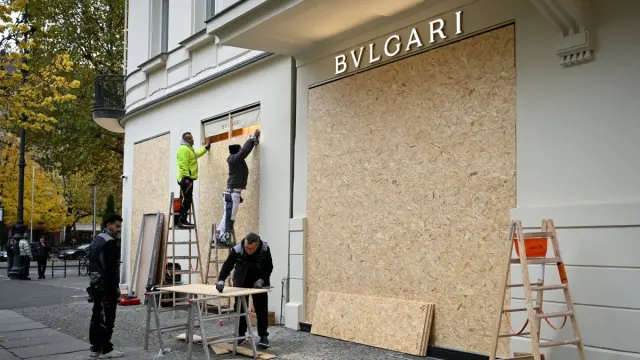
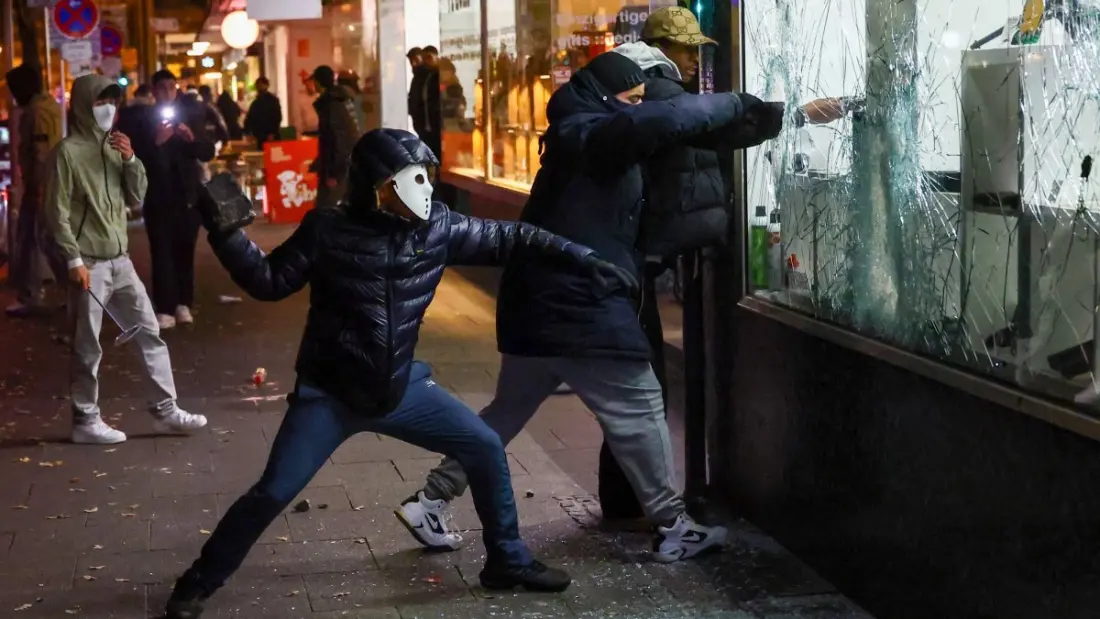
The trouble started after dark. In Frankfurt, where up to 9,000 people had marched peacefully from the banks of the Main near the European Central Bank, groups later smashed shop windows, looted stores — including an attempt on a firearms shop from which police recovered two weapons — and threw Molotov cocktails at officers. Police sealed off part of the Zeil, one of the country's busiest shopping streets, deployed special SEK units and more than 1,000 officers, and made around 30 arrests. Hesse's interior minister blamed roughly 100 suspected left-wing extremists, and several police officers were hurt.
Cologne saw disturbances around its cathedral by the main station, where attackers hurled bottles and even bicycles at police; five people were detained, though officers suggested some of the later unrest was more Halloween-related than protest-driven. In Berlin, a separate evening march from Rosenthalplatz drew up to 3,500 people; police ended it early after officers were hit with stones and fireworks, with 27 officers lightly injured and dozens of demonstrators briefly detained. Hamburg (around 6,700 marchers) and Bremen (about 2,800) also saw flare-ups near stations, handled with water cannons and pepper spray.
For anyone travelling in Germany, the practical takeaway is modest but real: the daytime marches were overwhelmingly peaceful, and the violence came from small groups in city centres late at night. If you are visiting Frankfurt, Cologne or Berlin during a period of announced demonstrations, keep an eye on local police social media accounts, steer clear of the Zeil or cathedral squares after dark when unrest is flagged, and know that main railway stations have occasionally been flashpoints. Expect heavier police presence in central districts if further protest dates are announced.