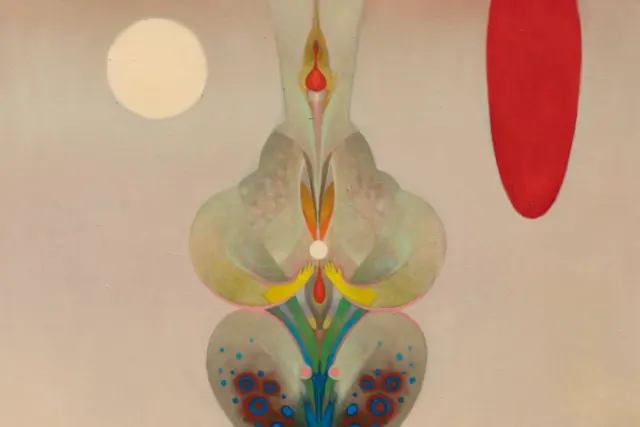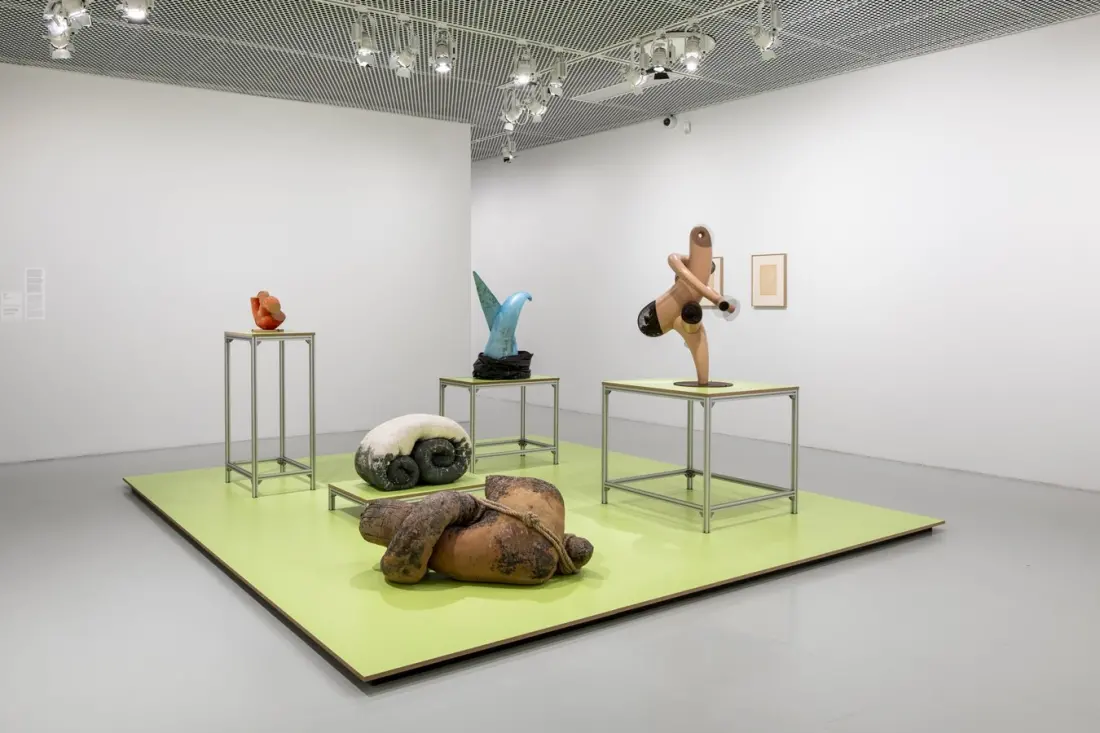
An art reason to cross the Øresund: Moderna Museet Malmö is hosting the first solo exhibition in Sweden of Anu Põder, the late Estonian sculptor whose fragile, body-obsessed works have been quietly building an international following since her death in 2013.
The show gathers around 20 pieces loaned from the Art Museum of Estonia, the Tartu Art Museum and the artist's estate, plus five drawings that have never been shown before. Põder, born in 1947, worked against the grain of Soviet-era Estonian sculpture. Where the official tradition favoured bronze and stone, she chose soap, wax, plastic, textiles, plaster and even fat — materials that sag, crack, smell and slowly fall apart. The human body runs through it all, sometimes absent but implied through imprints, hollows and casts, and the results sit somewhere between intimacy and unease.
Curators Andreas Nilsson and Jo Widoff trace an arc in her career too: from bodily experience and mortality towards consumption and capitalism, a shift that took hold after Estonia regained independence in 1991. Nilsson says he was won over after seeing her 2017 retrospective at Kumu, Tallinn's standout art museum, and wanted to introduce her tension between the personal and the universal to a wider public.
The timing makes sense. Põder's reputation has grown steadily since that Kumu retrospective: her soap sculpture Tongues (1998) entered the Tate's collection in 2021, she featured at the Venice Biennale in 2022, and her work appeared at the Musée d'Art Moderne de Paris in 2026. A catalogue accompanies the Malmö show, with essays including a look at the genuinely tricky conservation problem of recreating a sculpture made of soap.
For travellers, this is a tidy excuse for an art-focused weekend. The exhibition runs in Malmö until 21 February 2027, then moves to Moderna Museet Stockholm from 10 April to 6 June 2027, with a further stop at the EMMA Art Museum in Espoo, Finland, planned for 2028. Malmö pairs easily with Copenhagen — the bridge ride takes about 35 minutes — and Moderna Museet Malmö sits in a converted power station near the city's centro area, a short walk from Malmöhus Castle. Combine it with Kumu in Tallinn if you want to see Põder's work in the Estonian context that shaped it, and Tallinn's medieval old town makes the trip worthwhile on its own.