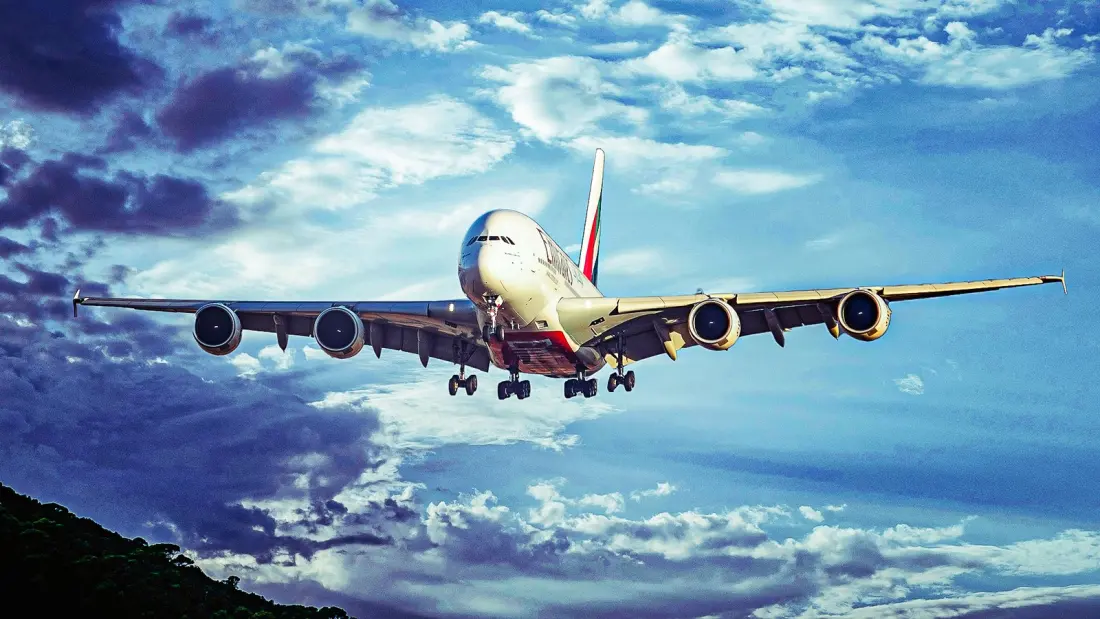
Airbus spent over $25 billion developing the A380 superjumbo, a double-decker giant conceived in December 2000 to move more than 500 passengers per flight slot between congested mega-hubs. It was a technical triumph: over 380 patents, a cabin roughly half as noisy as earlier widebodies, and cutting-edge materials like GLARE, a glass-reinforced aluminum laminate, plus carbon-fibre composites. But the market moved on. Fuel-efficient twinjets such as the Boeing 777-300ER and Airbus A350 made point-to-point flying cheap and practical, and Airbus closed the Toulouse line in 2021 after just 251 deliveries — far short of the 700 it needed to break even.
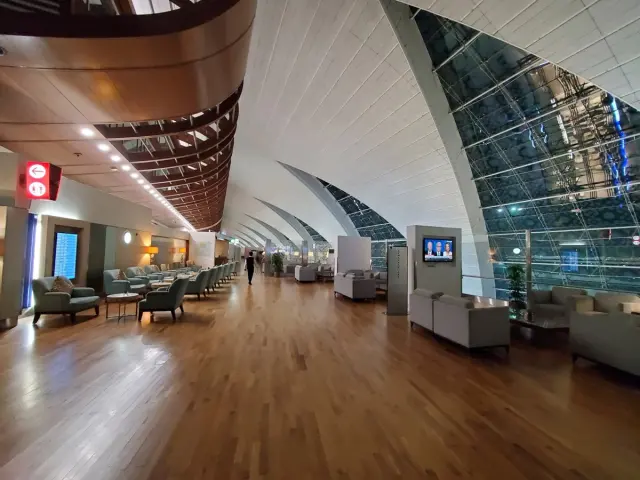
Enter Emirates. The Dubai-based carrier ordered 123 of the 251 aircraft built, nearly half of all superjumbos ever made, and restructured its entire business model around them. It even built Concourse A at Dubai International, the world's first terminal dedicated solely to A380 operations, with multi-level jet bridges so both decks could board simultaneously. The logic is simple: at slot-constrained airports like London Heathrow, where new landing slots are basically unobtainable, a 500-plus-seat aircraft earns far more per gate hour than a twinjet capped at 350-400 seats. On dense routes running above 80% load factors, the superjumbo's seat-mile economics still beat newer, leaner jets.
While other airlines retired their A380s, Emirates doubled down. It committed more than $2 billion to a retrofit programme, with 93 aircraft fully refurbished by April 2026 — new premium economy cabins, refreshed first-class shower spas, and Starlink Wi-Fi. Its active fleet now sits at over 110 aircraft (around 116 on airline books), more than the other nine global operators — British Airways, Singapore Airlines, Qantas and the rest — combined. Emirates plans to fly them into the 2040s.
That creates a maintenance headache, since Airbus no longer makes new parts. Emirates has turned its Dubai engineering facilities into a self-sustaining overhaul hub, running heavy C-checks, structural inspections and engine overhauls in-house, while harvesting spares from early-retired airframes. Its long-term replacement bet is the Boeing 777X, though nothing quite matches the A380's volume.
For travellers, this matters because the A380 remains a genuinely pleasant way to fly long-haul: quiet, spacious, with a smooth ride and (on Emirates) some of the best onboard amenities in the sky. If you want to experience a double-decker flight before the type disappears for good, Dubai is the place to do it — and Heathrow, Singapore and Sydney are among the other airports where you'll still spot one. Once the last airframe retires, there will be no successor.
Story via Simple Flying.