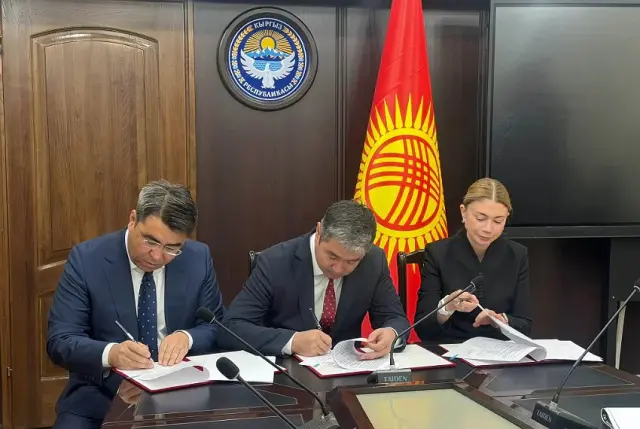
Kyrgyzstan's government has signed off on a National Programme for Greening Cities and Settlements covering 2027 to 2031, a five-year push to plant up towns and villages across the country. The Cabinet of Ministers approved the plan alongside an action plan, monitoring indicators and targets — with agencies reporting progress every six months.
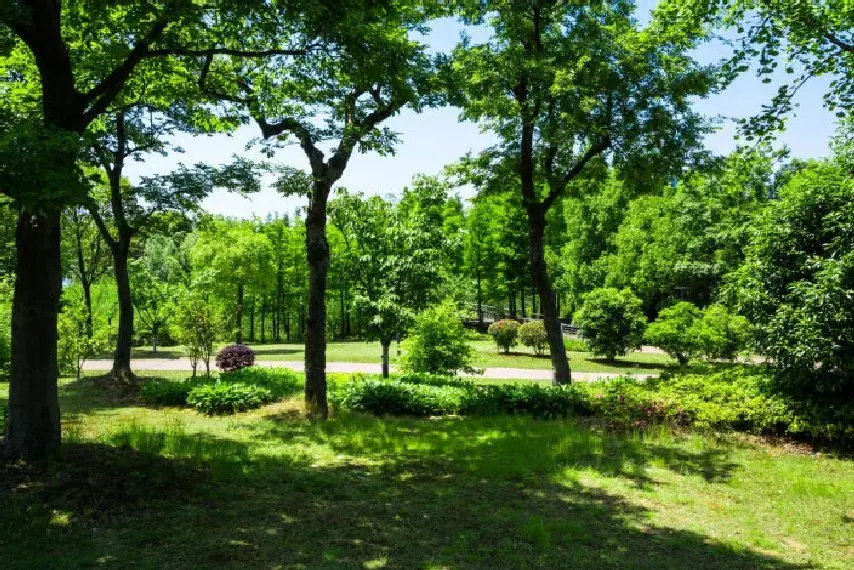
The stated goals go beyond aesthetics: better air and environment, more livable settlements, and some buffer against climate change, a serious concern in a country where melting glaciers and shifting weather patterns already affect daily life. The programme builds on the existing Zhashyl Muras (Green Heritage) campaign, a national tree-planting initiative, and will be funded through national and local budgets plus any other legal funding sources. Regional presidential envoys and local authorities are on the hook for delivering the targets.
So why should this matter to travellers? Anyone who has visited Bishkek in summer knows the difference shade makes. The capital already has a decent tree canopy along its grid of streets and canals, but Kyrgyzstan's smaller towns — and the suburbs visitors pass through en route to Chüy Valley wineries, Ala-Archa gorge or the road to Issyk-Kul — can be dusty, exposed and punishing in July heat. A serious greening effort, if it delivers, would make city strolls more pleasant, soften summer heat in the plains, and improve the general feel of places most tourists only pass through.
There's also a broader point for anyone tracking Central Asia as a destination. Kyrgyzstan sells itself on mountains, lakes and trekking, but the practical experience of a trip is shaped by its towns: where you overnight in Bishkek, where you stock up in Karakol, where you wait for a marshrutka. Programmes like this signal a government starting to think about livability as part of the national image, not just postcard scenery. Five years is a long horizon, and the six-monthly reporting requirement at least puts some accountability on paper.
The realistic takeaway: don't book a trip for the greenery just yet. Planting programmes take years to change how a place looks and feels, and implementation in the regions is the usual weak point. But if you're planning a visit in the late 2020s — trekking season around Issyk-Kul, or a Bishkek city break tacked onto a Tianshan trip — the country you arrive in should be incrementally greener and more comfortable than the one travellers know today. Keep an eye on Bishkek's parks and the lake-shore towns as the programme rolls out; they're the places most visitors will actually notice the difference.