Kyrgyzstan is in the middle of a busy cold-and-flu season. From November 9 to 15, health authorities registered 11,439 cases of influenza and acute respiratory viral infections (ARVI) across the country — a 5 percent rise on the week before, according to the Department of Disease Prevention and State Sanitary and Epidemiological Surveillance.
Kids are bearing the brunt: children under 14 made up nearly 68 percent of all cases, around 7,700 infections. That is worth remembering if you are planning a family trip or will be around local children — schools and kindergartens in affected areas are being advised to keep symptomatic kids home.
The spike is not evenly spread. Incidence is running above the national average in the capital Bishkek and the southern city of Osh, plus the Naryn, Issyk-Kul and Chui regions — which happens to cover some of Kyrgyzstan's biggest draws, including Lake Issyk-Kul, a popular winter and shoulder-season destination. Lab monitoring shows several viruses circulating at once: rhinoviruses lead (47.6 percent of identified pathogens), followed by parainfluenza (21.5 percent), adenoviruses (13.8 percent) and seasonal coronaviruses (10.2 percent). Flu A (H1N1) and COVID-19 cases are also turning up.
Health officials are recommending the familiar playbook, and it translates well to travel: wash your hands often, air out your room, cover coughs and sneezes, and consider a medical mask in crowded places — buses, bazaars, marshrutka vans — especially if you have symptoms. Dress warmly, since exposure to cold is on the list of risks, and rest properly if you do fall ill rather than pushing on with your itinerary. If you are travelling with children who show symptoms, keep them out of group settings until they recover.
Why it matters: winter trips to Kyrgyzstan — ski days near Karakol, city time in Bishkek, long shared rides between towns — put you in exactly the crowded, enclosed spaces where these viruses spread. The situation is a seasonal surge rather than anything exotic, and none of this should stop a trip, but packing basic supplies (masks, hand sanitiser, paracetamol) and building in some slack if you get sick is sensible. Anyone with respiratory symptoms who is not improving should seek medical attention promptly, and travel insurance that covers medical care is a must for the remoter regions.
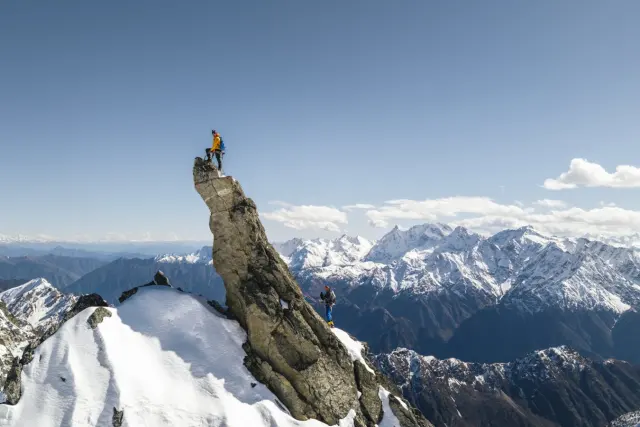
For now, the advice is simple: pack the usual winter defences, take crowded-indoor precautions, and enjoy the mountains.