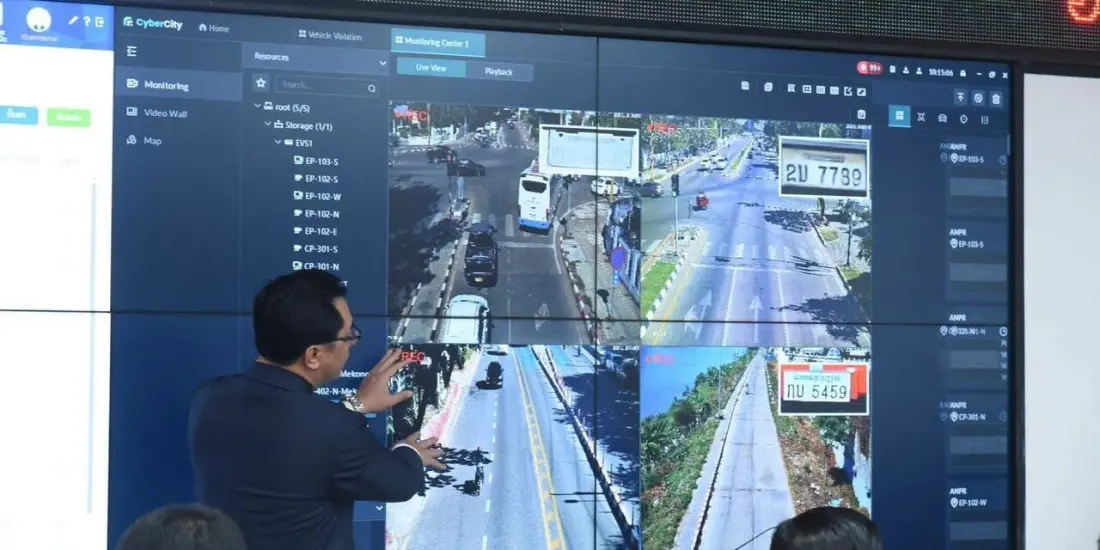
Vientiane is getting serious about traffic enforcement. Authorities plan to switch on automated fines in early 2027, using electronic cameras and speed checkpoints to issue tickets to motorists — including the growing number of visitors who rent scooters and cars in the Lao capital. The move follows the opening of a central Land Traffic Control Centre at the Traffic Police Department, now linked to national vehicle and driver databases.
It's a big build, and it's not finished yet. At a project review on 16 November, officials confirmed 18 of 64 planned traffic signals are installed, alongside just six of 47 planned police cameras and four of 47 speed checkpoints. Another seven cameras already line the Bus Rapid Transit corridor, and 21 no-parking enforcement zones have been proposed across five central districts, pending approval.
The push responds to familiar frustrations: broken signals, seasonal flooding and a rising vehicle count. In July, police admitted 29 of the capital's 68 signalised intersections were fully or partly out of action — a fact anyone who has crossed a Vientiane junction on a hired motorbike will find unsurprising.
Once live, cameras will automatically generate violation tickets, and police are building a mobile app and public portals for paying fines digitally. Payments could route through local banking apps such as BCEL One or LDB Trust if the government's Findlink system isn't ready in time. The backend is being stitched together too: vehicle records tied to household registration to confirm ownership, cross-checked against tax and customs data for unpaid road duties, with telecom integration for SMS alerts slated for the first quarter of 2027.
For travellers, the practical takeaway is simple. If you plan to drive or ride in Vientiane from 2027 onwards, assume you're being filmed and that a speeding fine will follow you through official channels — rental operators typically tie violations back to the hirer via vehicle registration. That's a change from the current on-the-spot, cash-in-hand culture that has long characterised traffic stops in Laos. Expect less roadside haggling and more paper trails, so keep your licence details, helmet and paperwork in order, and treat speed limits and no-parking zones as genuinely enforced rather than optional.