Kyrgyzstan is heading into another cold season with strict electricity rules in place, and anyone planning a winter trip to Bishkek or the surrounding region should know how the grid works before they arrive.
The Bishkek Electric Grid Enterprise has confirmed that households and small premises with standard single-phase connections remain capped at 5 kilowatts this autumn-winter period. That figure is written into consumption regulations and standard supply contracts — it is not an informal guideline. Power engineers have put forward a proposal to raise the ceiling to 7 kW, but until regulators sign off on the amendment, 5 kW stays the rule. Consumers with three-phase connections get more headroom at 10 kW, and anyone needing extra capacity is advised to apply for a three-phase upgrade, provided they meet electrical safety requirements.
There's also a wildcard: last winter, authorities imposed a temporary 3 kW limit during peak demand hours. No decision has been announced on whether similar curbs will return this year, so guests and guesthouse owners alike should stay flexible.
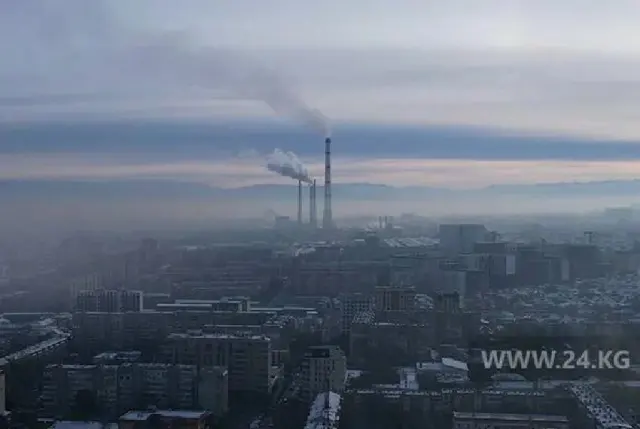
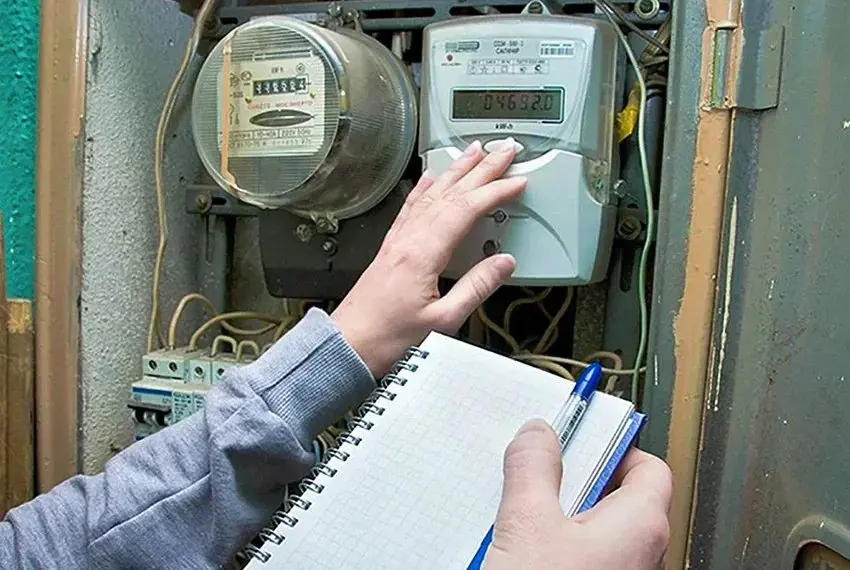
The context matters. The National Electric Network of Kyrgyzstan reports that demand keeps climbing — daily consumption hit 64,318 million kWh on October 27 alone, a jump of 34.4 percent year on year. Maintenance work to prepare the network for winter has been completed in Bishkek and the Chui region, and smart meter installation there is nearly finished, done at no charge to consumers. Officials are asking residents not to run several high-power appliances at once, especially during evening peak hours.
For travellers, the practical takeaway is simple. Winter tourism in Kyrgyzstan — ski trips around Bishkek, guesthouse stays, trekking base camps — often means relying on local heating and hot-water setups that draw heavily on the grid. In smaller accommodations, running an electric heater, kettle and hair dryer together could trip the supply. Outage updates are published through the My Light mobile app, worth downloading if you'll be in the country between November and March. Guesthouses in the Chui region and the capital are generally better prepared after the maintenance programme, but more remote spots may see interruptions when demand spikes.
It's a small detail that can shape a winter trip: pack layers, expect the odd power cut, and don't be surprised if your host asks you to stagger your appliance use in the evening.