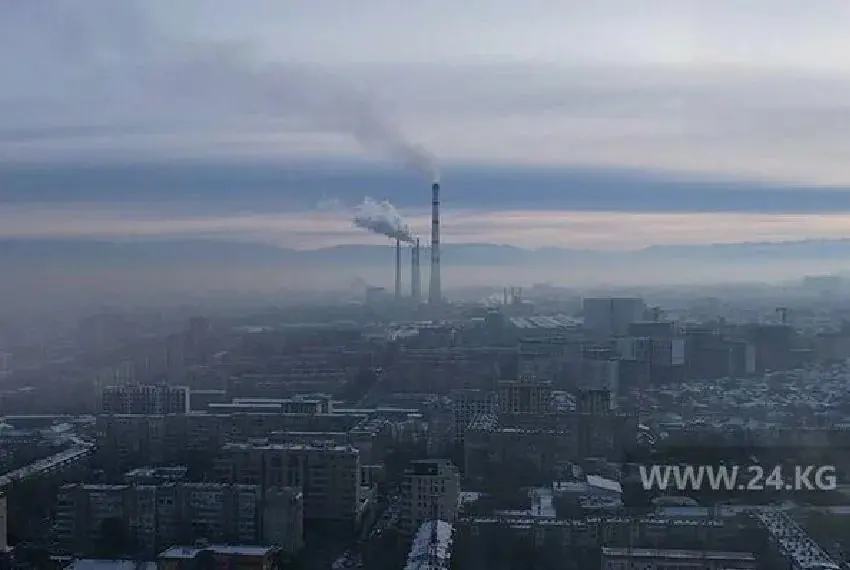
Bishkek, the capital of Kyrgyzstan, has appeared near the top of a global ranking you don't want to lead. On October 27, the city placed third on the World Air Quality Index, which tracks pollution in major cities worldwide in real time. As of mid-afternoon, its Air Quality Index reading stood at 185 — firmly in the 'unhealthy' band.
For context, the AQI runs across six categories of rising health risk. Anything under 50 counts as good air, while readings above 300 are classified as hazardous. A score of 185 sits well into the territory where even healthy people can start feeling effects, and those with asthma or heart conditions are advised to limit time outdoors.
This isn't a one-off fluke. Bishkek routinely struggles with poor air in the colder months, when residents burn coal and wood for heating and the city's mountain-bowl geography traps the smoke in a grey haze. Visitors arriving in late autumn or winter often notice it the moment they land — the Tianshan peaks framing the city can disappear behind the smog. Numbers like 185 on an autumn day are a reminder that checking the AQI should be part of any trip prep for the capital, alongside checking the weather.
The good news is that Kyrgyzstan's main draws sit far outside the city limits. The country's big attractions — alpine Lake Issyk-Kul, the caravan-stop tower at Burana, the trekking valleys around Karakol and the Naryn region — generally have crisp, clean mountain air. Many travellers use Bishkek as a short logistics stop for visas, cash and transport, then head for the hills. That pattern works in your favour when the capital's air quality dips.
If you are planning a trip through Bishkek, treat the air report like you would a weather forecast. Download a live AQI app, book more outdoor-oriented time outside the capital, and keep city sightseeing to museums, bazaars and cafés on high-pollution days. Anyone with respiratory issues may want to pack a filter mask and schedule their Bishkek nights around the cleaner months of late spring and summer.